Oil prices edged lower on Tuesday (16 June) as traders assessed the possibility of oil supplies returning through the Strait of Hormuz following a preliminary agreement aimed at ending the conflict involving Iran.
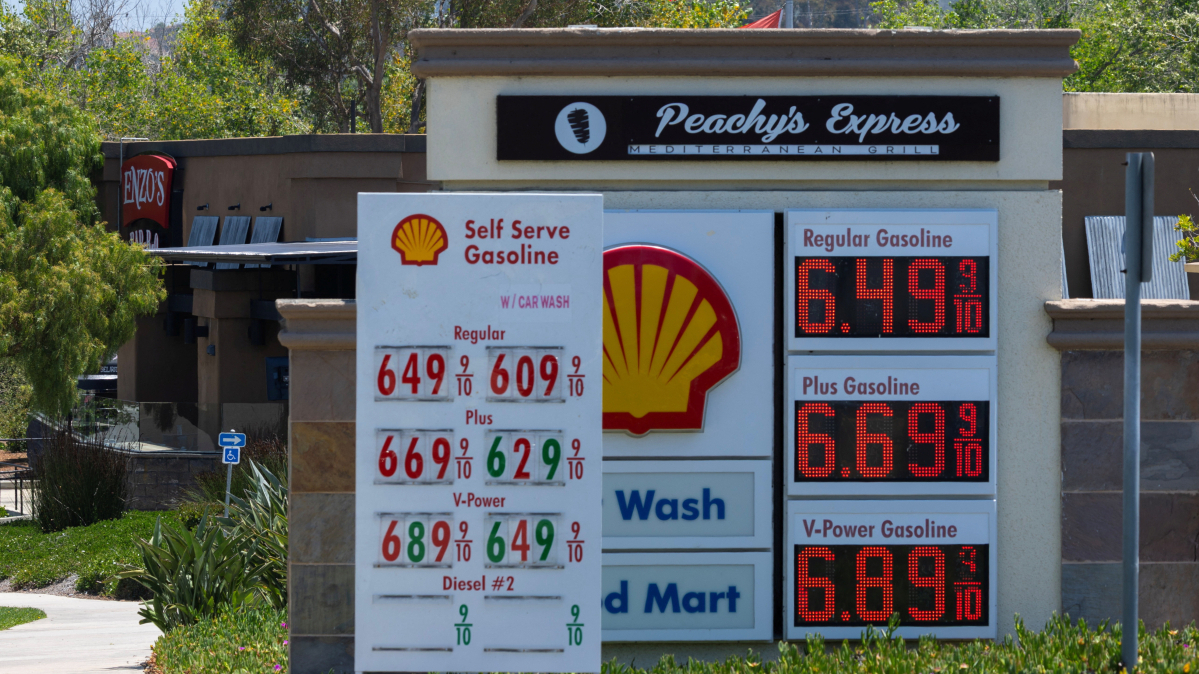
Brent crude fell by $1.44, or 1.7 per cent, to $81.73 a barrel at 0906 GMT, while U.S. West Texas Intermediate dropped $1.55, or 1.9 per cent, to $79.20 a barrel.
The latest decline follows a sharp fall on Monday, when oil prices dropped almost 5 per cent after U.S. President Donald Trump announced that a memorandum of understanding had been signed to bring an end to the war involving the United States, Israel and Iran.
However, few details of the agreement have been released, leaving markets uncertain about what comes next.
Strait of Hormuz remains central to market outlook
One of the key concerns for energy markets remains the Strait of Hormuz, a vital shipping route that normally handles around one-fifth of global oil supplies. The waterway was closed during the conflict, disrupting trade and raising fears over supply shortages.
Analysts believe the route could gradually reopen, although a full recovery in tanker traffic is unlikely to happen immediately.
According to Morgan Stanley, around half of affected production could be restored by September, rising to roughly 80 per cent by December as oil flows gradually return.
Weak demand concerns weigh on prices
Despite hopes of improving supply, several indicators continue to point to weaker demand in the physical oil market. Analysts highlighted strong U.S. export levels and declining imports into China as major factors weighing on prices.
China's crude oil imports fell by 29 per cent in May compared with previous levels, reaching their lowest point in eight years. Imports of Saudi Arabian crude are also expected to decline further in July, adding to concerns about softer demand from the world's largest oil importer.
Early reports suggest the U.S.-Iran agreement includes plans to reopen the Strait of Hormuz and extend a ceasefire for 60 days. The temporary peace deal is expected to provide negotiators with time to address more complex issues, including Iran's nuclear programme.
Iranian President Masoud Pezeshkian welcomed the agreement, describing it as an important move towards ending the conflict. However, he stressed that negotiations for a permanent peace settlement are still incomplete.
Market analysts say uncertainty surrounding the deal is preventing a larger fall in oil prices. Investors remain cautious while waiting for confirmation of how and when restrictions on shipping and trade will be eased.
Next phase seen as crucial for energy markets
Suvro Sarkar, head of energy research at DBS Bank, said the first stage of the agreement was relatively straightforward, as it focused on extending the ceasefire and creating space for further talks.
The next phase, however, is expected to be far more significant for energy markets. It involves the gradual reopening of the Strait of Hormuz and the removal of restrictions affecting Iranian ports and vessels.
According to Sarkar, any delays or partial measures could trigger new swings in oil prices. He said markets would be closely watching developments over the coming weeks, particularly given the lack of trust built up during the conflict.
Adding to signs of progress, a senior Iranian official said on Monday that Tehran had agreed to suspend nuclear activity while negotiations continue. The official also said Iran would halt uranium enrichment and avoid expanding its nuclear facilities until a final agreement is reached.
For now, traders are likely to remain focused on whether the ceasefire holds and how quickly oil supplies can return to global markets.



















What is your opinion on this topic?
Leave the first comment