




09:09 CET
Middle East conflict
live Saudi Aramco building attacked, limited fire reported
A building at Saudi Aramco’s headquarters in ...
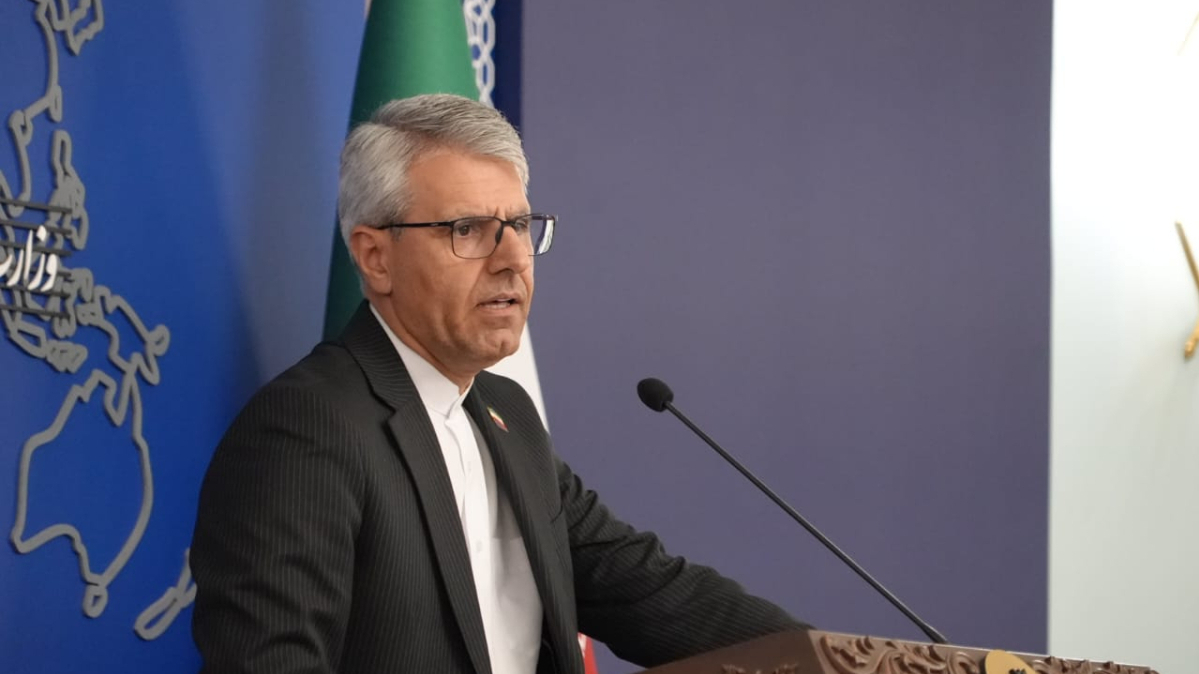


Iran says the U.S. war and military presence in the region have worsened marine pollution around the Strait of Hormuz, calling for environmental protection to form part of future arrangements governing the strategic waterway.
Foreign Ministry spokesman, Esmaeil Baghaei, said restoring the Strait of Hormuz marine ecosystem and preventing further pollution should form part of any future management arrangements for the strategic waterway, through which about one-fifth of global oil and liquefied natural gas supplies transit.
In a post on X on Thursday, he wrote: “… addressing the environmental condition of the Strait of Hormuz and its surrounding waters form an integral part of any future administration” of the Strait of Hormuz.
He pointed to recent images of oil pollution caused by a commercial vessel in the Persian Gulf off Iran’s Qeshm Island, saying: “This pollution drifted toward the coast from the Persian Gulf, and preliminary evidence indicates a foreign bulk carrier as the source.”
“Who bears responsibility for compensating these damages? Is it the nations that consume the inexpensive energy exported from our region, the shipping insurers, or the aggressors and their partners who have transformed the Persian Gulf and the Sea of Oman into a theater for military operations and the testing of highly destructive weaponry?”
At the height of the Israeli-U.S. war in April, which resulted in Iran blocking the Strait of Hormuz, Iranian parliamentarians proposed an urgent bill on shipping security in the waterway, including environmental pollution taxes and fees for guidance services.
Amid ongoing talks between Iran and Oman, the two countries bordering the Strait of Hormuz, Iran has reportedly discussed charging navigation and environmental fees with Oman.
Time is running short, however, as the 60-day interim peace agreement signed by Tehran and the U.S. on 17 June, known as the Islamabad Memorandum of Understanding, approaches its expiry. Both sides have claimed control over the Strait.
Baghaei also cited decades of oil tanker traffic as one of the causes of marine pollution.
“This incident is only one visible example of the extensive pollution - both overt and concealed - that has degraded the waters of the Persian Gulf and the Sea of Oman, as well as the region's marine ecosystem, over recent decades, imposing trillions of dollars in damage on Iran's coastal areas.”
Baghaei said Iran, which has the longest coastline along the Persian Gulf and the Sea of Oman, could not remain indifferent to the environmental crisis.
“Every party that benefits from commercial shipping through the Strait of Hormuz carries both a legal and a moral obligation to remediate the environmental harm inflicted upon the Persian Gulf and the Sea of Oman,” he said.
Iran is also grappling with the environmental consequences of pollution and a severe decline in the Caspian Sea, the world’s largest inland body of water, alongside other countries bordering the sea.
Deputy Foreign Minister for Legal and International Affairs Kazem Gharibabadi has called on countries bordering the Caspian Sea to fulfil their responsibilities to protect its marine environment, warning that neglect could cause irreparable damage.
“Declining Caspian water levels, pollution, climate change, and weakening of the ecosystem can directly affect the lives of coastal communities, economic activities, fisheries, transportation, ports, and coastal infrastructure,” he said on Tuesday at a conference marking the National Day of the Caspian Sea, which falls on 12 August.
The date marks the entry into force in 2006 of the Framework Convention for the Protection of the Marine Environment of the Caspian Sea from Pollution, also known as the Tehran Convention.
“Investment in new technologies for pollution monitoring and smart management of water resources is a prerequisite for balanced development on the Caspian Sea coast,” Iran’s special envoy for the Caspian Sea said in a post on X.
Efforts to tackle the Caspian Sea’s environmental problems effectively have so far proved inconclusive amid competing geopolitical considerations and diverging national interests among countries bordering the sea.

A building at Saudi Aramco’s headquarters in ...

French riot police clashed with student protesters in Paris on Tuesday, using tear gas and water cannon and making arrests as demonstrations over s...

Ukrainian President Volodymyr Zelenskyy says Russia hit at least six energy targets in deadly strikes across Ukraine, showing Moscow is unwilling t...

One person was killed and nearly a dozen hurt in a fresh attack on Riyadh's international airport on Sunday, Saudi authorities reported, a day after a strike claimed by Yemen's Houthis killed 13 people and wounded more than 300.
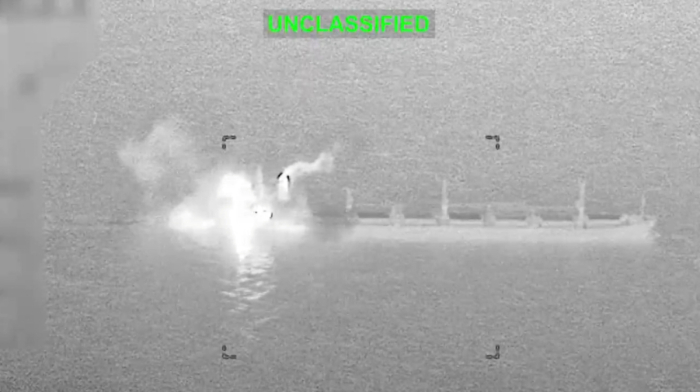
The Saudi-led coalition in Yemen said late Monday that it intercepted and destroyed two ballistic missiles launched by the Houthi group toward Khamis Mushait in southwestern Saudi Arabia.
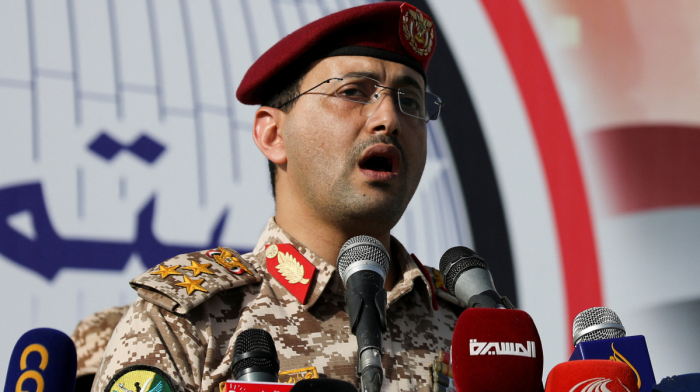
The Houthi movement has escalated their attacks on Saudi Arabia, targeting the airport in Riyadh and other cities, killing more than a dozen people.

The Kremlin on Monday rejected a 60-day ceasefire idea proposed by Ukrainian President Volodymyr Zelenskyy to allow his country to hold presidential elections, saying it wanted an overall peace deal instead.
Ukrainian President Volodymyr Zelenskyy says Russia hit at least six energy targets in deadly strikes across Ukraine, showing Moscow is unwilling to accept the energy ceasefire announced by U.S. President Donald Trump.
A building at Saudi Aramco’s headquarters in the eastern city of Dhahran was attacked late Tuesday, causing a limited fire, Saudi Arabia’s Energy Ministry said on Wednesday. The incident came as fighting between the kingdom and Yemen’s Iran-allied Houthi group intensify.
The Saudi-led coalition in Yemen said late Monday that it intercepted and destroyed two ballistic missiles launched by the Houthi group toward Khamis Mushait in southwestern Saudi Arabia.

Georgia and Uzbekistan are aiming to nearly quadruple annual trade to $1 billion, up from $267.6 million in 2025, as the two countries seek to strengthen economic ties and expand transport links.

Iran has warned against the military use of Starlink, saying it has developed domestic technology capable of countering cyber threats linked to the satellite internet service.
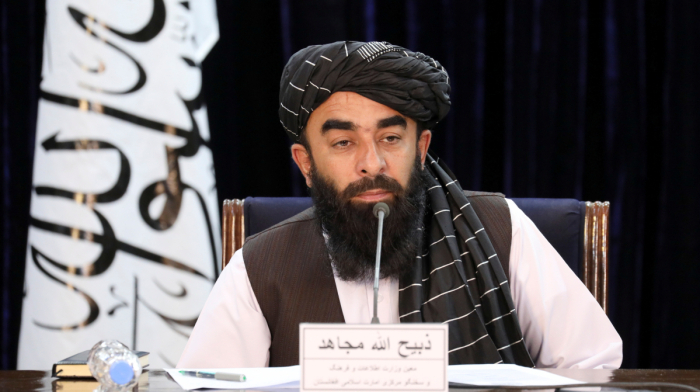
Afghanistan has accused Pakistan of blaming Kabul for its domestic political and security problems, as Islamabad repeated claims that militants are using Afghan territory to launch attacks across the border.
You can download the AnewZ application from Play Store and the App Store.




What is your opinion on this topic?
Leave the first comment