A secretive offshore oil transfer network backed by U.S. military support has helped keep Gulf energy exports flowing despite major disruption around the Strait of Hormuz, a Reuters investigation has found.
Reuters uncovers covert transfer operation
Reuters has uncovered a large-scale operation overseen by the U.S. military to maintain Gulf oil exports despite disruptions around the Strait of Hormuz.
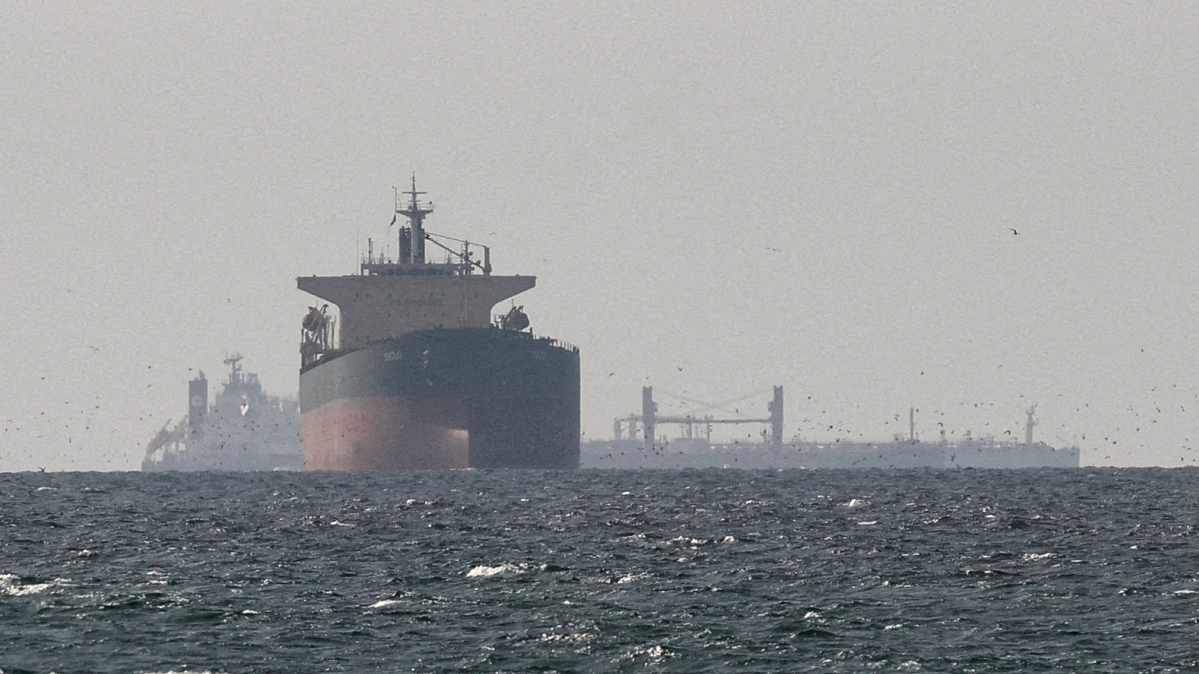
The operation relies on ship-to-ship oil transfers conducted at sea, using a method more commonly associated with Iran's efforts to circumvent international sanctions.
The transfers take place at two locations near the entrance to the Strait of Hormuz: one off Fujairah in the United Arab Emirates and another near Oman's port of Sohar.
According to shipping records and satellite imagery reviewed by Reuters, the operation began in early May and has involved at least 92 vessels.
Satellite images from 11 June showed as many as 17 pairs of ships carrying out transfers simultaneously at the two sites.
Response to a major energy disruption
The operation emerged after Iran effectively closed the Strait of Hormuz during the conflict with the U.S. and Israel. The waterway normally carries around one-fifth of global oil consumption and is one of the world's most important energy routes.
The closure triggered significant supply disruptions and contributed to rising energy costs worldwide.
The offshore transfer system appears to be part of efforts to maintain the flow of crude oil, condensate and petroleum products from Gulf producers to international markets while avoiding the risks associated with direct passage through the strait.
Reuters estimated that at least 90 million barrels of oil and petroleum products may have moved through the network since early May.
How the transfers work
According to sources familiar with the operation, smaller tankers carry oil through the region before transferring cargo to much larger vessels waiting outside the most sensitive areas.
The transfers can take between 24 and 40 hours to complete. Once unloaded, the smaller tankers return for another shipment, while the larger carriers continue towards international destinations.
Several sources told Reuters that participating vessels operate under strict procedures. Ships reportedly switch off transponders, dim their lights and follow designated routes monitored by the U.S. military.
Six sources with direct knowledge of the arrangements said support is provided through aerial surveillance, monitoring and compliance checks rather than naval escorts.
Reuters found no evidence that U.S. military personnel were directly involved in transferring the oil itself.
Questions over military involvement
The investigation also found that an Apache helicopter shot down by Iran on 9 June had been involved in the wider mission, according to four sources, including a former U.S. official.
Reuters was unable to determine the helicopter's exact role in the operation.
Responding to Reuters' questions, a U.S. defence official said no Central Command forces were taking part in an offshore ship-to-ship oil transfer operation.
The White House referred questions to U.S. Central Command, while Iranian authorities did not respond to requests for comment.
Safety concerns and operational risks
Maritime experts say the operation is helping to maintain energy supplies but carries significant risks.
"You just don't know when Iran might just decide to start using drones or even gunboats in order to prevent even those ships from transiting the strait," said Noam Raydan, a senior fellow at the Washington Institute who reviewed Reuters' findings.
Others have raised concerns about safety at sea because many of the vessels involved reportedly travel at night with tracking systems switched off.
"There is a paucity of reliable data," one maritime security source told Reuters.
The source added that vessels are no longer reporting through normal maritime channels, increasing the risk of collisions in busy shipping lanes.
A temporary fix
Several major Gulf producers and international shipping companies appear to be involved in the operation, according to shipping data reviewed by Reuters. However, companies and government entities linked to the transfers largely declined to comment or did not respond to requests.
Industry observers believe the system provides a short-term workaround rather than a lasting solution.
"I don't see a permanent solution in all of this," Raydan said. "This is a temporary solution amid exceptional times."
While a framework peace agreement between Washington and Tehran could eventually lead to the reopening of the Strait of Hormuz, uncertainty remains over how quickly normal shipping operations can resume.
Until then, the Reuters investigation suggests an extensive and largely hidden network is helping to keep vital oil supplies moving through one of the world's most sensitive maritime chokepoints.

















What is your opinion on this topic?
Leave the first comment