Saudi Arabia has restarted its East-West oil pipeline, bringing back an important route for moving crude from the kingdom’s oil fields to the Red Sea port of Yanbu.
The 1,200-kilometre pipeline can carry about 4 million barrels of oil a day, allowing Saudi Arabia to send crude to international markets without using the Strait of Hormuz.
That route has become more important as shipping through Hormuz remains heavily disrupted by the wider regional conflict.
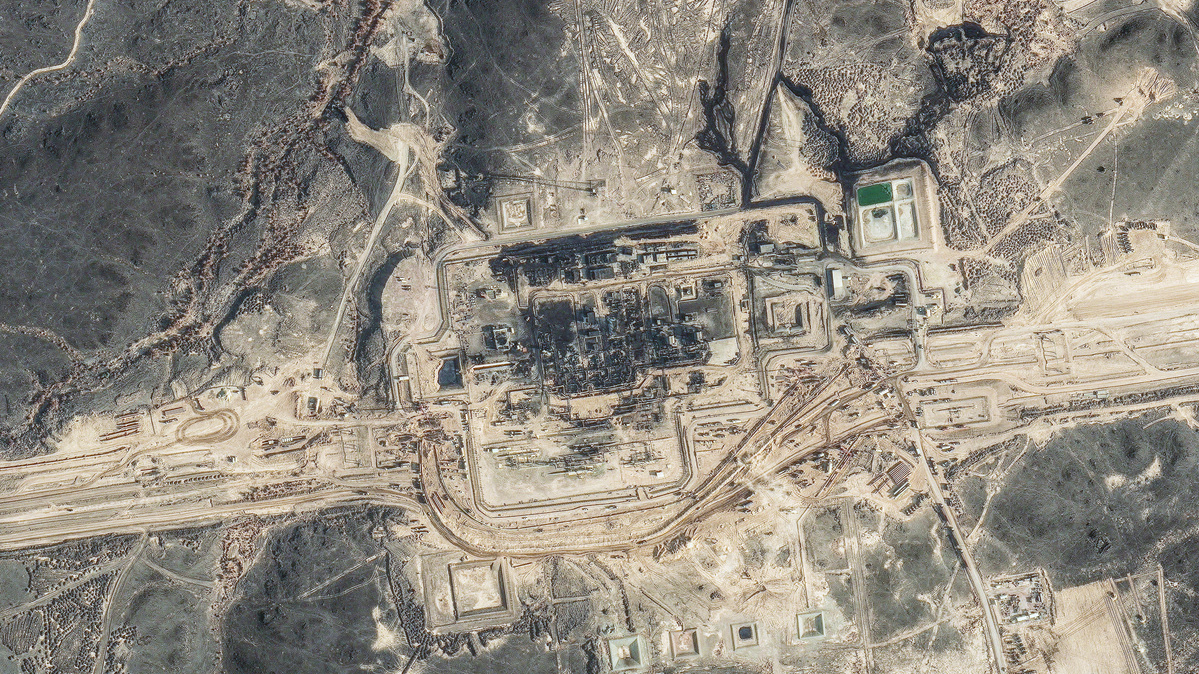
Saudi Arabia shut the pipeline after the September 11 drone attack that damaged three pumping stations. Riyadh blamed Iraqi militia groups, which was separate from the Houthi campaign in Yemen.
The pipeline began operating again on September 22, but only at a low rate. Saudi Aramco is working to increase the flow to around 4 million barrels per day. Industry sources say returning to full operations could take six to eight weeks because of the damage to the pumping stations.
The pipeline has a total capacity of about 7 million barrels per day, although around 4 million barrels per day had been flowing through it before the shutdown. That volume represents roughly 4 per cent of global oil supply.
Shutdown did not lead to loss of supply
The shutdown put additional pressure on Saudi export infrastructure and forced the kingdom to rely more heavily on alternative routes. The kingdom redirected much of its crude through other routes, particularly its Gulf export terminals.
Saudi Arabia is one of the world's biggest oil producers. Saudi Aramco reported average liquids production of 10.7 million barrels per day in 2025, while total hydrocarbon production averaged 12.9 million barrels of oil equivalent per day. The company reported $104.7 billion in adjusted net income for the year.
Saudi Arabia lost millions of dollars because of the pipeline shutdown in recent weeks. Much of the oil was redirected rather than lost, although the disruption increased the cost and complexity of getting Saudi crude to customers.
The pipeline is also being restored as Saudi Arabia faces growing pressure from the Houthis in Yemen.
The Houthi threat
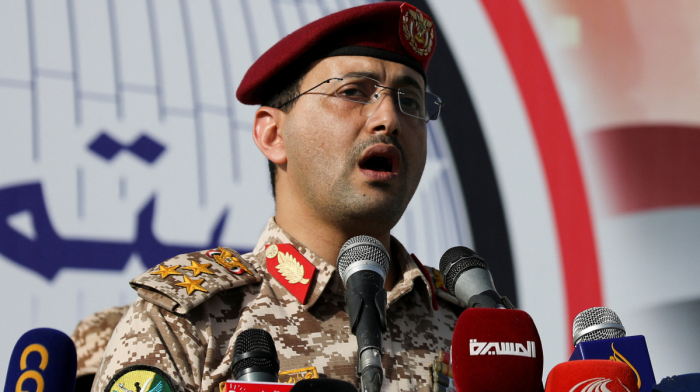
Houthi forces have intensified attacks on Saudi-linked shipping and targets in the kingdom. The group has also expanded its presence along Yemen's Red Sea coast, including the capture of Mocha and nearby strategic islands. Saudi Arabia said on September 19 that it intercepted a Houthi ballistic missile aimed at Riyadh and reported attempted attacks on infrastructure in Yanbu, Taif, Baysh and Farasan.
The Houthis have also claimed attacks on Saudi energy facilities, including Aramco sites in Yanbu. Those claims have not been independently verified.
This puts Saudi Arabia between two major maritime risks. The Strait of Hormuz is disrupted to the east, while the Red Sea and Bab Al Mandeb are under pressure from Houthi attacks to the west.
That makes Yanbu particularly important. Oil arriving there through the East-West pipeline can be loaded onto tankers and sent towards the Suez Canal and the Mediterranean, avoiding Hormuz.
Saudi Arabia has already increased shipments from its Gulf terminals while the pipeline was offline. Seven supertankers loaded around 14 million barrels over the weekend, while traders have been moving tankers towards Egypt's Port Said and Sidi Kerir in preparation for the return of Saudi crude through the Red Sea route.
Saudi oil sales affected
The wider disruption has also affected Saudi oil sales. Reuters reported earlier this month that available Saudi export stocks could cover only around five to seven days if the pipeline remained closed, underlining the importance of restoring the route.
Oil prices reacted quickly when the pipeline restart was announced. Brent crude fell by more than $2 a barrel and moved below $100, as the prospect of additional Saudi supplies eased some pressure on the market.
But the pipeline is not yet back to full capacity, and the security situation around the Red Sea remains unsettled. For Saudi Arabia, keeping the East-West pipeline running now means maintaining an alternative route for millions of barrels of crude at a time when both Hormuz and Bab Al Mandeb face serious disruption.
Read more:














What is your opinion on this topic?
Leave the first comment