




23:25 CET
Nigeria confirms Ebola case in Abuja
Nigerian health authorities have confirmed a case of Ebola disease in the Federal Capital Territory (FCT)...
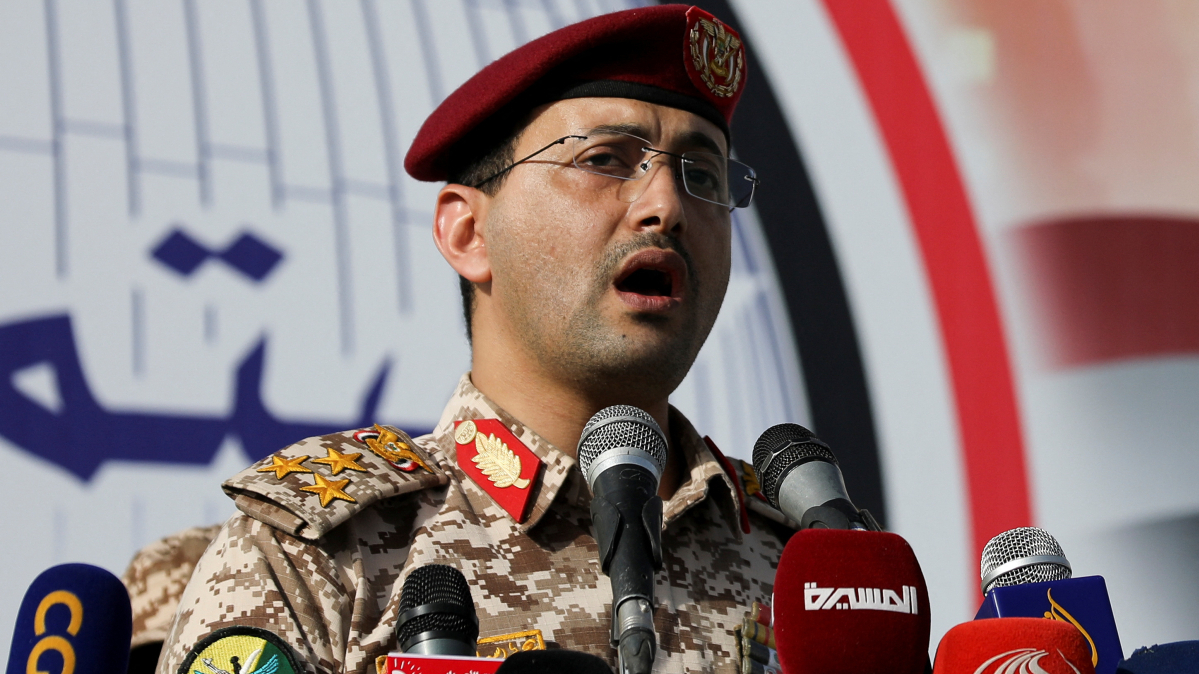


The Houthi movement has escalated their attacks on Saudi Arabia, targeting the airport in Riyadh and other cities, killing more than a dozen people.
The Houthis are a political, religious and military movement that controls much of northwestern Yemen, including the capital, Sanaa.
The group was formed in the 1990s by members of the Zaidi Shia community, which has deep roots in northern Yemen. It initially focused on religious revival and was opposed to what it saw as growing political and foreign influence.
Over time, the movement became an armed force and fought several rounds of conflict with the Yemeni government.
The Houthis took advantage of Yemen’s political turmoil following the 2011 Arab Spring protests.
In 2014, they seized Sanaa and pushed the internationally recognised government towards the southern city of Aden.
The group has since consolidated its control over the country’s most populous areas.
Saudi Arabia became directly involved after the Houthis seized Sanaa.
Concerned about the movement’s growing power along its southern border and its relationship with Iran, Riyadh led a military coalition into Yemen in 2015. Its stated aim was to defeat the Houthis, restore the internationally recognised government and prevent further expansion by the group.
The intervention turned Yemen’s political crisis into a devastating civil war.
Saudi Arabia and its allies, including the United Arab Emirates, carried out extensive air strikes, while the Houthis launched missiles and drones towards Saudi territory.
Neither side was able to secure a decisive victory. The Houthis retained control of much of the northwest, which is home to the majority of Yemen’s population.
In 2022, a UN-brokered truce brought a significant reduction in fighting and largely froze the conflict.
The latest escalation is closely linked to the wider confrontation between Iran and the U.S.
The Houthis have long maintained close political and military ties with Tehran and have backed Iran during the current conflict. Their attacks on Saudi Arabia have now resumed as conflict - involving Iran, the U.S., Israel, and the wider Gulf region - intensifies.
The group has also become one of the most disruptive forces in international shipping.
Since late 2023, the Houthis have attacked commercial vessels in and around the Red Sea, saying the campaign was intended to support Palestinians during Israel’s war in Gaza.
Those attacks forced many shipping companies to avoid the Red Sea and take the longer route around the Cape of Good Hope, increasing journey times, fuel costs and insurance premiums.
The Red Sea is one of the world's key maritime trade routes, linking the Indian Ocean with the Mediterranean through the Suez Canal.
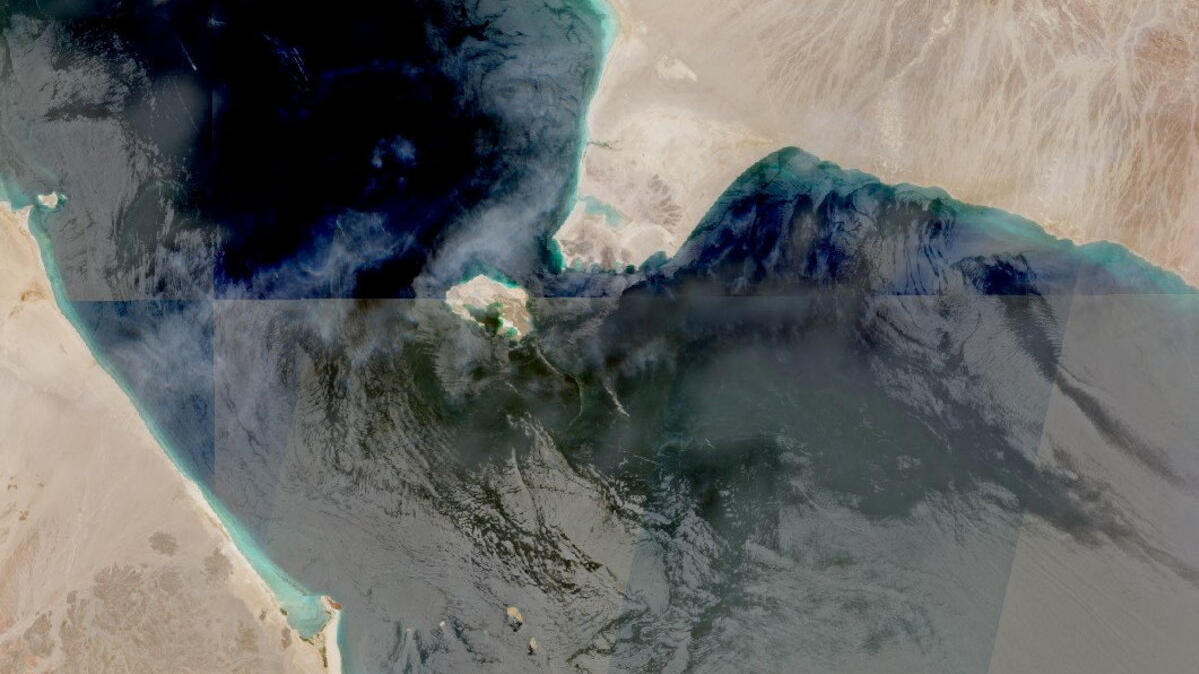
Houthi attacks have already disrupted the movement of cargo and energy supplies through the region. A renewed campaign against shipping could make the situation significantly worse, particularly as the Strait of Hormuz is also facing disruption.
That could have consequences well beyond Yemen, potentially affecting global oil markets, freight costs and supply chains.
The Houthis have also demonstrated an ability to strike energy infrastructure. Previous attacks have targeted oil facilities in Saudi Arabia and the UAE, although their effectiveness varies depending on the location and the strength of air defences.
The Houthis have evolved from a relatively small insurgent movement into a heavily armed organisation with tens of thousands of fighters.
They have developed or acquired a significant arsenal of ballistic missiles, cruise missiles and drones, allowing them to strike targets across Yemen and neighbouring countries.
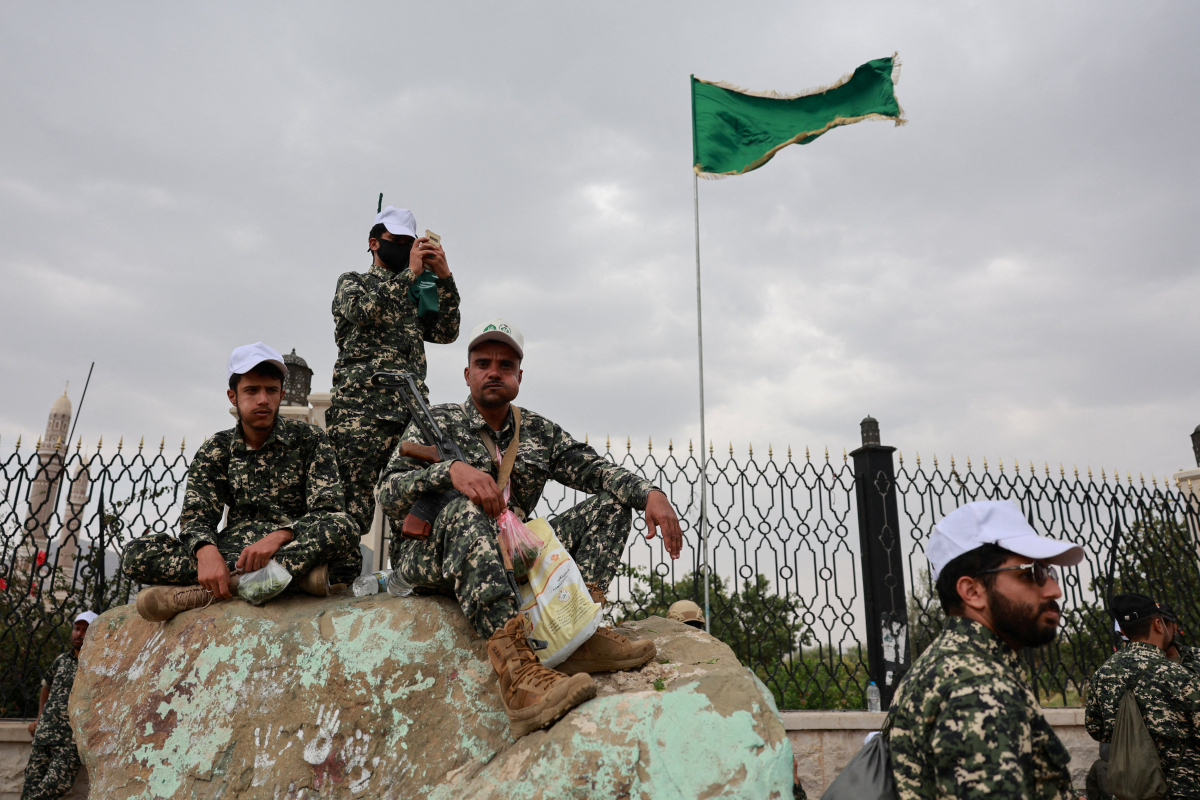
Their capabilities have also made them an important factor in regional security calculations.
However, their ability to hit distant targets is less consistent. Attacks on Saudi Arabia and the UAE have caused serious damage in the past, while many attempted strikes against more distant targets have been intercepted or failed to reach their intended destination.
Iran is one of the Houthis’ most important international supporters and considers the movement part of its broader regional “Axis of Resistance”.
The network includes groups such as Lebanon’s Hezbollah and several Iraqi Shiite militias.
But the relationship between Tehran and the Houthis is not identical to Iran’s ties with those organisations. The Houthis do not regard Iran’s supreme leader as their ultimate religious authority, and their roots and political objectives are primarily linked to Yemen.
The U.S. says Iran provides the Houthis with weapons, funding and training, with assistance from Hezbollah. The Houthis reject the description of themselves as an Iranian proxy and maintain that they develop their own military capabilities.
The immediate concern is that renewed Houthi attacks could pull Saudi Arabia back into direct military confrontation with the group after years of relative calm.
That would risk reopening one of the world’s worst humanitarian crises while adding another layer of instability to an already volatile region.
It could also threaten Red Sea shipping at a time when disruption elsewhere in the Gulf region is already putting pressure on global energy markets.
For Saudi Arabia, the challenge is therefore twofold: defend its territory and critical infrastructure while avoiding a return to the full-scale Yemen war that Riyadh spent years trying to end.
For the wider region, the Houthi escalation is another indication of how quickly the conflict involving Iran is spreading beyond its immediate borders.

Nigerian health authorities have confirmed a case of Ebola disease in the Federal Capital Territory (FCT)...
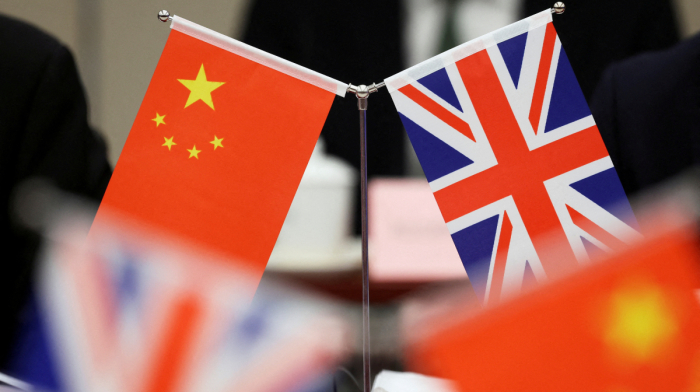
China has lodged a formal diplomatic protest with the UK after British border officials allegedly subjected Chinese travellers to lengthy questioni...
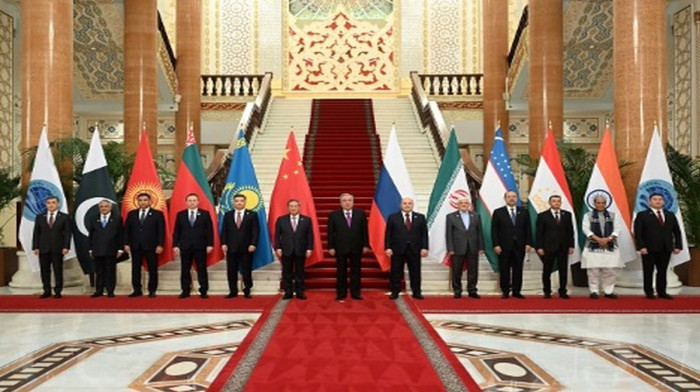
Member states of the Shanghai Cooperation Organisation (SCO) prevented 273 terrorist attacks and more than 3,000 crimes linked to terrorism, separa...
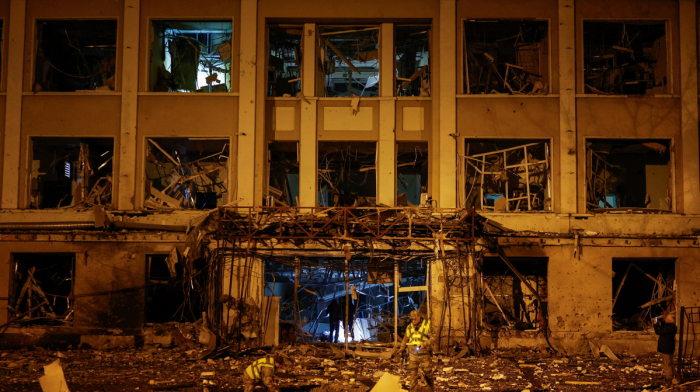
U.S. President Donald Trump has criticised Ukrainian President Volodymyr Zelenskyy for continuing to target Russia's energy infrastructure, while Russian strikes on Kyiv overnight killed at least one person and damaged a metro station.
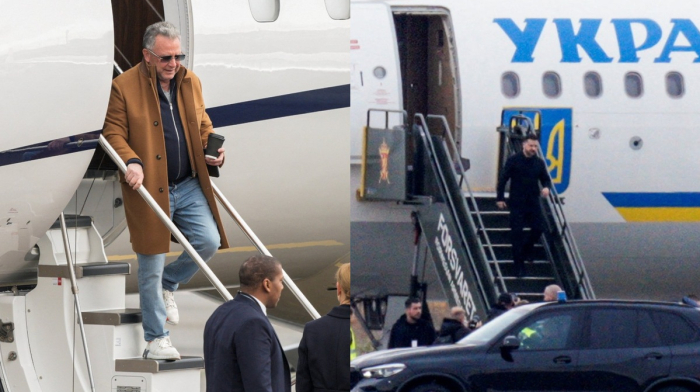
Ukrainian President Volodymyr Zelenskyy has arrived in Norway for talks about the Russia-Ukraine war. He is expected to meet with U.S. President Donald Trump's Special Envoy Steve Witkoff, who arrived in Oslo earlier. Witkoff will also meet European officials.

French President Emmanuel Macron has condemned the violence, looting and vandalism that erupted during cost-of-living protests across France. Prime Minister Sébastien Lecornu held crisis talks on Monday, calling for partial curfews and raising the possibility of a state of emergency.
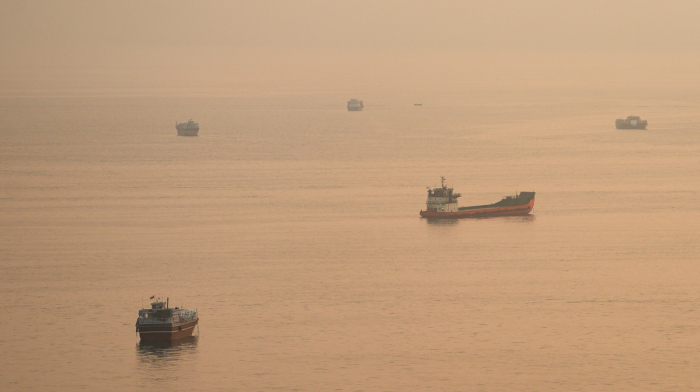
An oil tanker caught fire after striking a naval mine in the southern part of the Strait of Hormuz, Iran’s Islamic Revolutionary Guard Corps (IRGC) Navy said late Sunday.
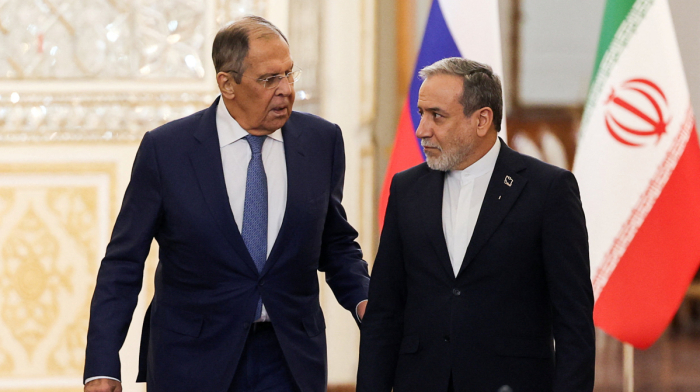
Iranian Foreign Minister Abbas Araghchi said regional issues should be resolved through diplomacy and blamed the United States for insecurity and tensions in the Strait of Hormuz, speaking at a joint news conference with Russian Foreign Minister Sergey Lavrov on Monday.
Nigerian health authorities have confirmed a case of Ebola disease in the Federal Capital Territory (FCT), prompting the activation of emergency public health measures aimed at preventing further transmission of the deadly virus.
China has lodged a formal diplomatic protest with the UK after British border officials allegedly subjected Chinese travellers to lengthy questioning and seized personal electronic devices, including phones, laptops and smartwatches.

More than 150 people have been killed in a drone strike on a crowded market in the disputed Abyei region, South Sudanese officials said, marking one of the deadliest attacks linked to Sudan's civil war since it began in April 2023.
Ukrainian President Volodymyr Zelenskyy has arrived in Norway for talks about the Russia-Ukraine war. He is expected to meet with U.S. President Donald Trump's Special Envoy Steve Witkoff, who arrived in Oslo earlier. Witkoff will also meet European officials.
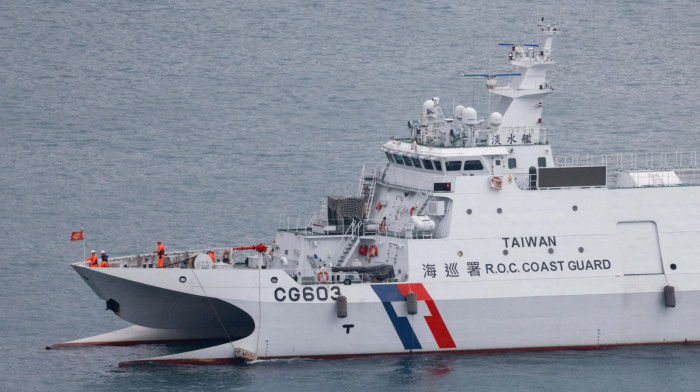
Beijing says it deployed naval forces to monitor a U.S. warship near Sabina Shoal, while Taiwan reports a separate confrontation with a Chinese coast guard vessel near the Pratas Islands.
You can download the AnewZ application from Play Store and the App Store.




What is your opinion on this topic?
Leave the first comment