China has extended the suspension of its additional 24 per cent tariff on U.S. goods for another two months, while keeping a 10 per cent levy in place, as Beijing and Washington seek to maintain their fragile trade truce.
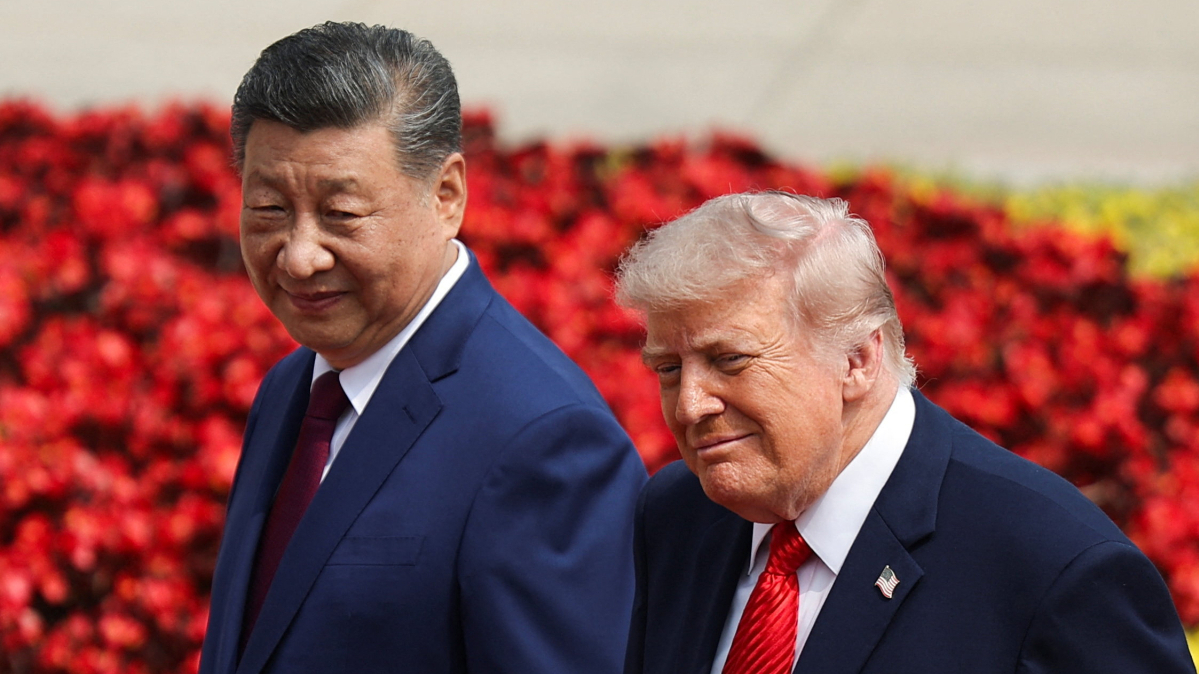
The Customs Tariff Commission of the State Council announced the decision on Monday. The extension will take effect at 13:01 on 10 November and is intended to implement agreements reached between Chinese President Xi Jinping and U.S. President Donald Trump.
Tariff war and trade truce
The decision follows a sharp escalation in trade tensions in early 2025. By April that year, U.S. tariffs on Chinese goods had climbed to 145 per cent, while China's levies on U.S. imports reached 125 per cent.
A trade agreement reached in Geneva in May 2025 suspended 24 percentage points of the reciprocal tariffs, leaving a 10 per cent levy in place. Since then, both countries have agreed to successive extensions to prevent another escalation.
Under an agreement reached at the Busan summit in October 2026, the two countries agreed to suspend some retaliatory trade measures for a year. U.S. Treasury Secretary Scott Bessent subsequently announced that the tariff truce, due to expire on 10 November, would be extended until 10 January 2027.
Beijing's latest announcement aligns its tariff measures with the revised deadline.
Trade talks focus on investment and agriculture
Beyond tariffs, Beijing and Washington have taken steps to strengthen economic cooperation and ease trade tensions.
A U.S.-China Board of Trade and Board of Investment are now operating, with both sides agreeing on recommendations for preferential tariff treatment covering $30 billion worth of non-sensitive goods in each direction.
Agriculture remains a key priority, with a dedicated working group established to address market access.
Beijing warns of possible tariff response
Despite the progress, China has signalled that it is prepared to respond to any changes in U.S. trade policy.
The commission noted that Washington has repeatedly indicated plans to replace tariffs imposed under the International Emergency Economic Powers Act, which have been ruled invalid, with new duties under Section 301 of U.S. trade law.
Beijing said it would closely monitor Washington's next steps and adjust its countermeasures if necessary.
The extension offers both countries more time to negotiate, but China's warning underscores the uncertainty surrounding the trade relationship and the risk of renewed tensions.
Read more:














What is your opinion on this topic?
Leave the first comment