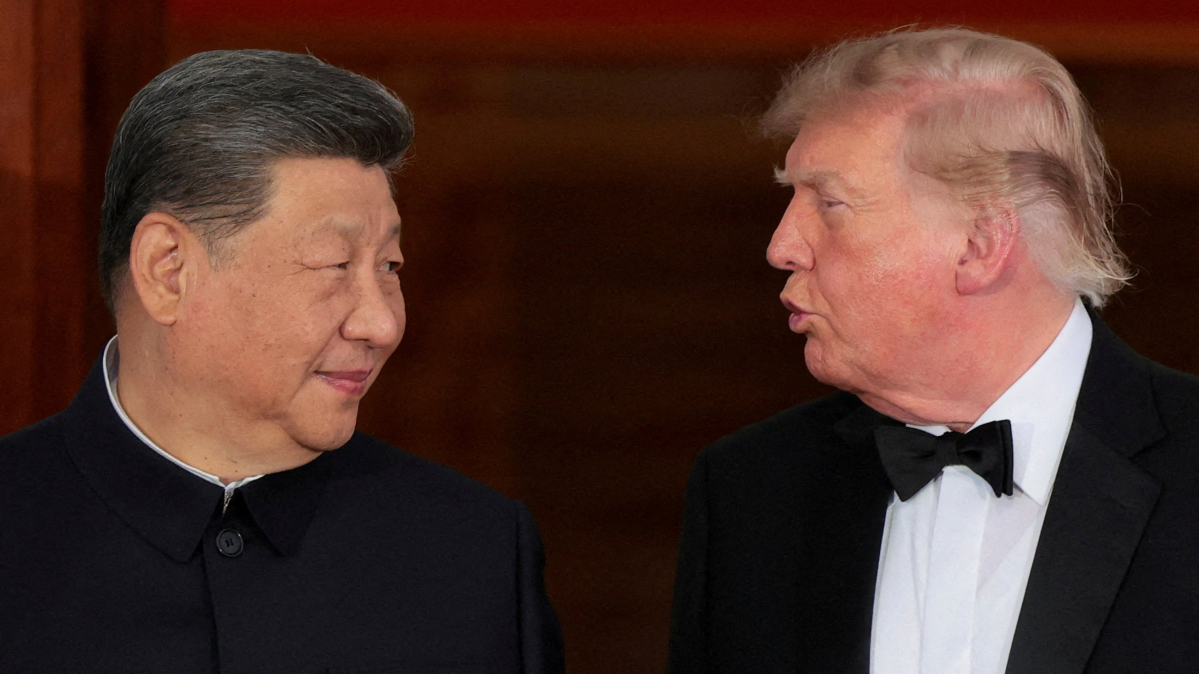
The United States and China have agreed to lower tariffs on billions of dollars' worth of goods and establish a new channel for cooperation on artificial intelligence (AI), marking one of the most significant outcomes from Chinese President Xi Jinping's visit to Washington.
The agreements emerged from a three-day summit between Xi and U.S. President Donald Trump, highlighting a renewed effort by the world's two largest economies to stabilise relations after years of trade disputes, technology competition and geopolitical tensions.
Targeted tariff relief
Under the new arrangement, the two countries will provide more favourable tariff treatment for goods worth approximately $30 billion in each direction.
The measures will affect a range of products traded between the two economies, including agricultural goods, consumer products and manufactured items. Officials on both sides described the agreement as a practical step designed to support trade while broader negotiations continue.
The tariff reductions build on an earlier decision by Washington and Beijing to extend their existing trade truce, providing additional time for negotiators to work toward a more comprehensive economic agreement.
Alongside the tariff measures, the two governments agreed to establish a new trade council aimed at maintaining dialogue and addressing economic issues before they escalate into larger disputes.
Artificial intelligence moves up the agenda
One of the most notable developments from the summit was the decision to create a dedicated dialogue on artificial intelligence.
The two countries agreed to begin structured discussions on the opportunities and risks associated with rapidly advancing AI technologies. Officials said future talks will focus on governance, safety concerns and potential mechanisms for managing incidents involving advanced AI systems.
The initiative reflects growing recognition in both Washington and Beijing that artificial intelligence is becoming a central issue in global competition and international cooperation.
The agreement also includes plans for direct communication channels to address AI-related incidents, a move intended to reduce misunderstandings and improve coordination as the technology becomes more powerful and more widely deployed.
Seeking stability amid rivalry
Despite continuing strategic competition, the latest agreements suggest both governments are looking for ways to prevent tensions from spilling over into broader economic disruption.
Trade between the United States and China remains one of the most important economic relationships in the world, even as both countries continue efforts to strengthen domestic industries and secure key technology supply chains.
Chinese officials described the summit as an important step toward maintaining stable relations, while U.S. officials emphasised the practical benefits of cooperation in areas where interests overlap.
The meeting produced no sweeping breakthrough on the most contentious issues dividing the two powers, but analysts view the agreements as evidence that both sides remain willing to pursue dialogue despite deep disagreements.
Broader international issues discussed
The summit also addressed several major foreign policy and global governance topics.
Both sides expressed support for continued engagement on international economic forums, including upcoming Asia-Pacific Economic Cooperation and G20 meetings.
According to statements released after the meetings, the two governments also discussed regional security issues, including Iran's nuclear programme and the need to maintain open international shipping routes.
Those discussions underline the extent to which U.S.-China relations increasingly shape not only global trade but also international security and technological governance.
Cautious step forward
While many of the underlying disputes between Washington and Beijing remain unresolved, the agreements reached during Xi's visit suggest both governments are seeking a more predictable relationship.
The tariff reductions offer limited but tangible relief for businesses involved in bilateral trade, while the AI dialogue creates a new framework for discussing one of the most transformative technologies of the 21st century.
Whether these initiatives lead to broader cooperation remains uncertain.
Read more:


















What is your opinion on this topic?
Leave the first comment