U.S. President Donald Trump welcomed Chinese President Xi Jinping to the White House on Thursday, 24 September, for talks focused on trade, artificial intelligence, Taiwan and the war with Iran.
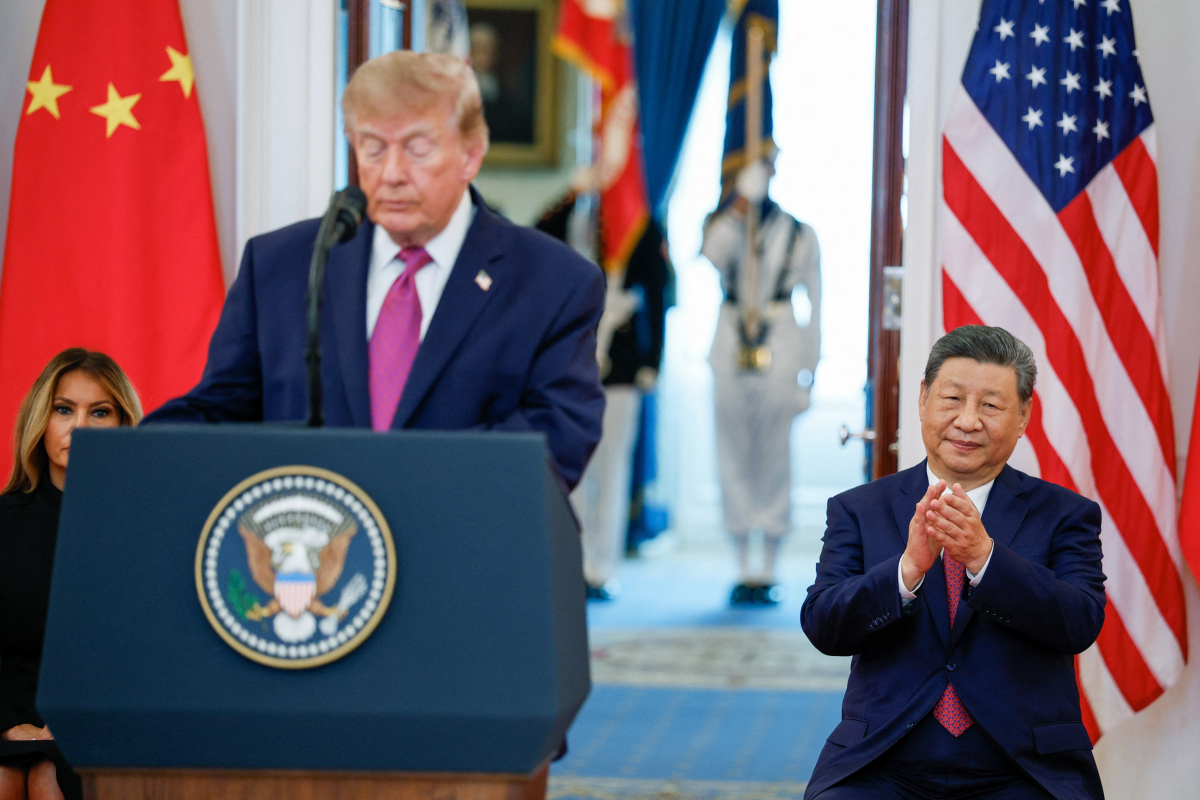
Trump described his relationship with Xi as a “truly great friendship” and said the two countries had made progress on trade since his visit to China in May.
Xi called for U.S.-China competition to remain healthy and said the two countries should maintain military-to-military dialogue to prevent crises.
Taiwan remains a major fault line
Taiwan was among the most sensitive issues discussed during the leaders’ bilateral meeting. Xi urged the United States to oppose “Taiwan independence”, according to China’s official Xinhua news agency. The White House had not immediately issued its own readout of the discussion.
China claims Taiwan as part of its territory, while the democratically governed island relies on U.S. support to strengthen its defence. Washington maintains a longstanding policy of strategic ambiguity over Taiwan’s political status while providing military support to Taipei.
Before the summit, Trump had said he was holding in abeyance a roughly $14 billion U.S. arms package for Taiwan, describing it as a negotiating tool.
Iran and Strait of Hormuz discussed
Xi also said China supports the United States and Iran returning to a June agreement intended to end the war and reopen the Strait of Hormuz, according to Xinhua.
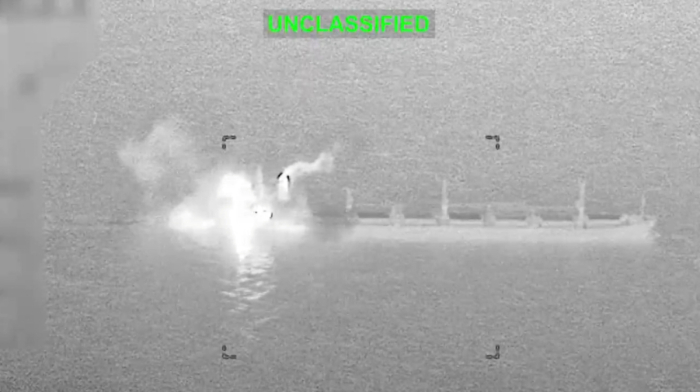
The comments came as Washington continues to seek an agreement with Tehran and as the conflict has disrupted shipping through the strategically important waterway.
Trump and Xi were also expected to discuss China’s relationship with Iran and whether Beijing could play a role in efforts to resolve the conflict. China has maintained close economic ties with Tehran, including through purchases of Iranian oil.
AI and trade remain central themes
Artificial intelligence was another major issue on the agenda, with Trump referring to the technology as “super intelligence”.
Trump said decisions made by the two countries on security and technology could affect peace and prosperity for decades. Xi said the U.S. and China had the capability and responsibility to develop and manage AI for good and ensure that its development remained under human control.
The two sides have also been working to extend a trade truce that paused a tariff escalation in which U.S. and Chinese tariffs had risen above 100 per cent. U.S. Treasury Secretary Scott Bessent said earlier this week that negotiators had agreed to extend the arrangement until 10 January.
However, major differences remain over technology exports, trade and access to advanced U.S. artificial intelligence chips.
Leaders project stability despite tensions
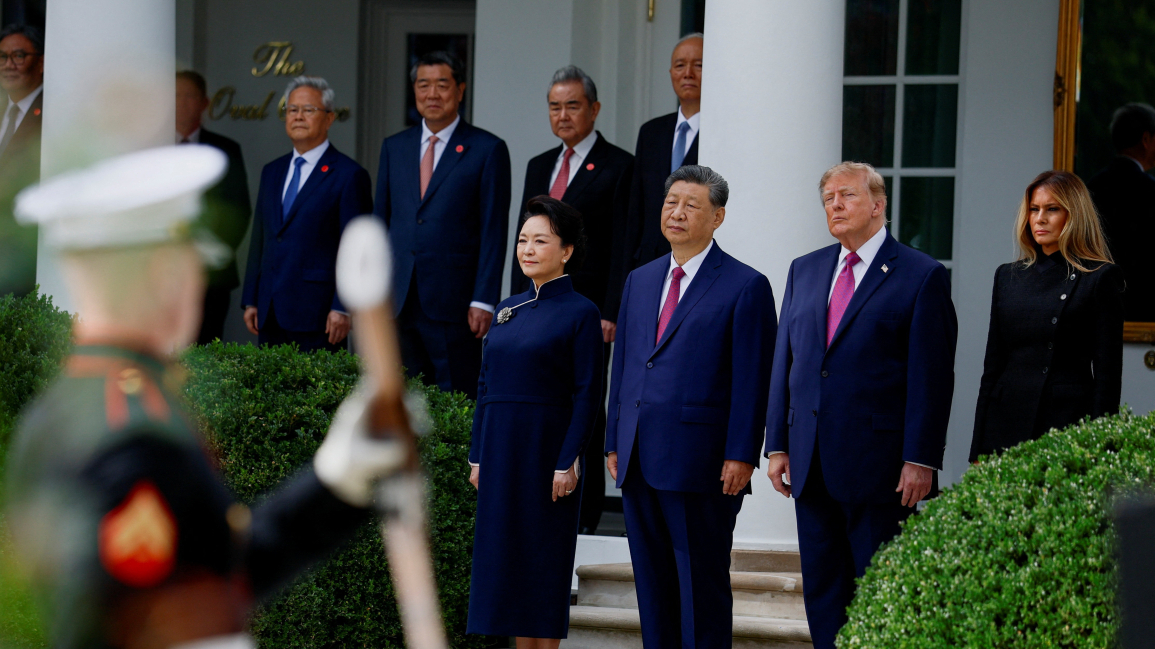
Xi’s visit is his first to Washington in more than a decade and follows Trump’s trip to China in May. The summit included extensive ceremonial events, including a military ceremony at the White House.
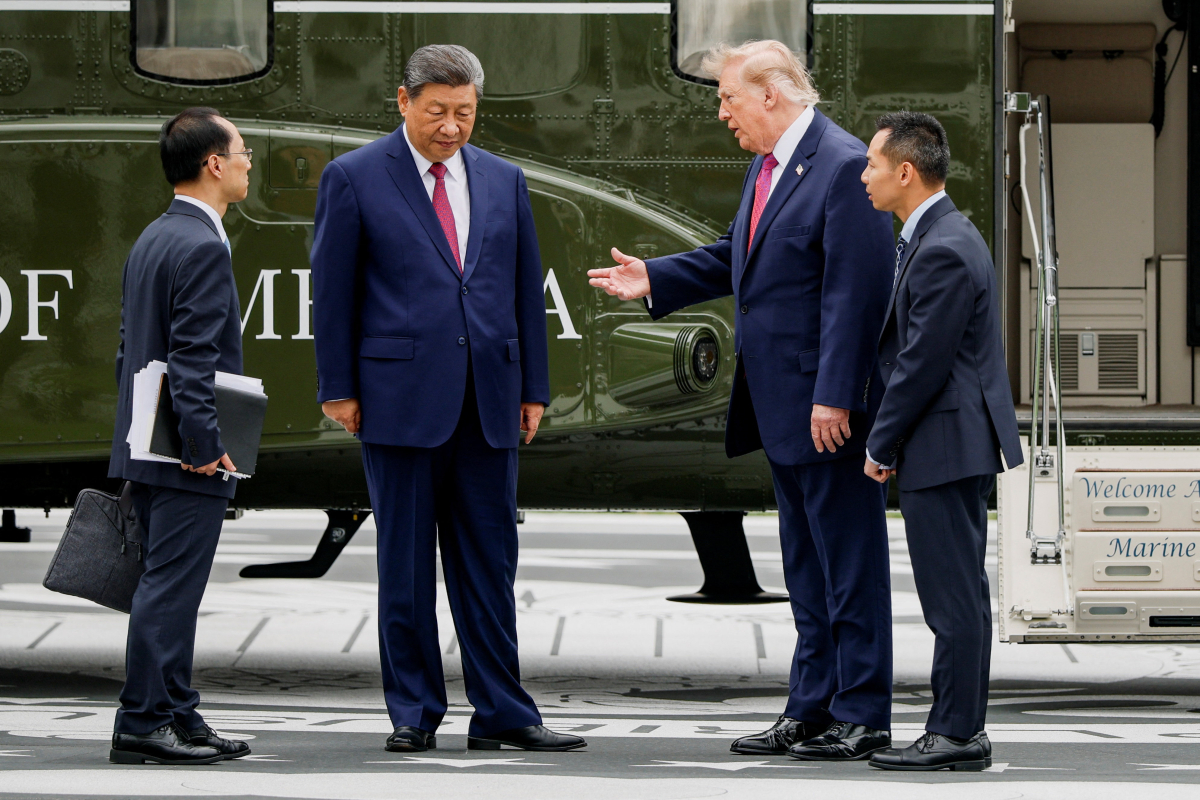
Trump said after the meeting that he and Xi had a “great meeting” before the two leaders departed the White House grounds.
Despite the public display of cordiality, the talks come amid unresolved disputes over Taiwan, technology controls, trade and Iran. Both governments have an interest in preventing those disagreements from escalating into a broader deterioration in relations.
Xi said the rivalry between the United States and China could be managed, citing the “Thucydides trap” theory about the risk of conflict between an established power and a rising one.
“The Thucydides trap can be overcome,” he said.
Read more:



















What is your opinion on this topic?
Leave the first comment