Taiwan and human rights are “red lines” for China that cannot be crossed, the country's ambassador to the U.S. warned on Wednesday, striking a firm tone ahead of this week's leadership summit in Washington.
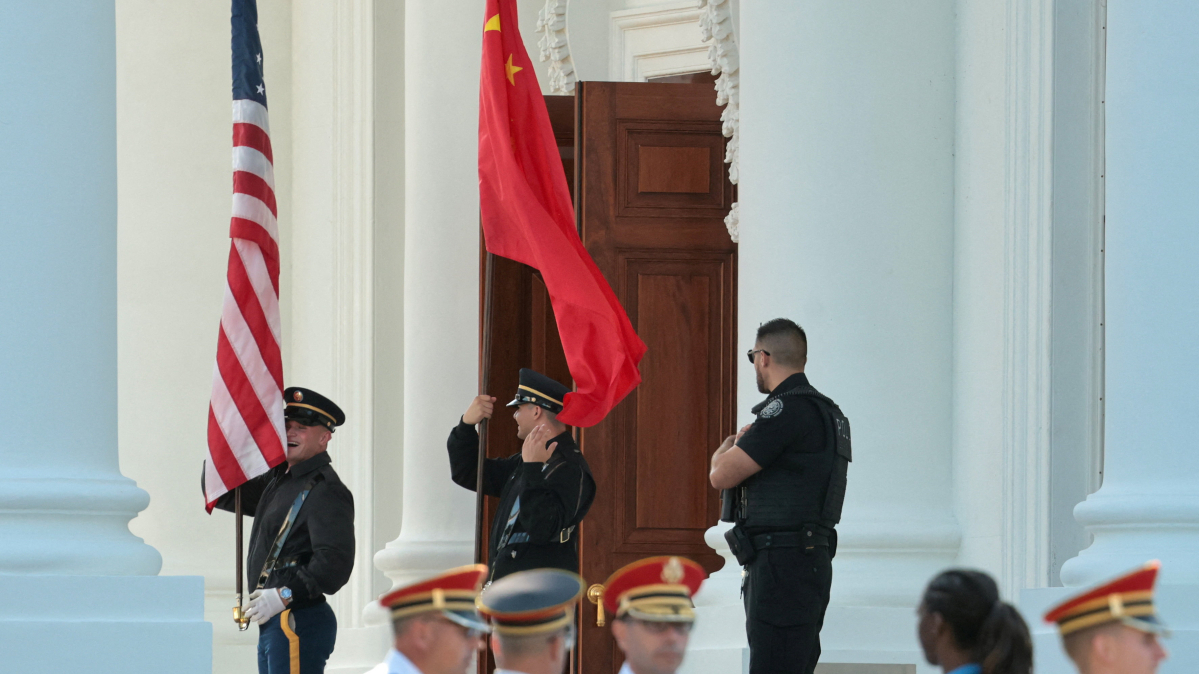
Chinese President Xi Jinping will visit Washington for a summit with President Donald Trump, as both sides look to bring stability to ties overshadowed by arguments over everything from trade to Taiwan.
Chinese Ambassador Xie Feng said managing differences with the U.S. requires good faith.
He urged Washington to stop using issues such as national security, economic imbalances and forced labour as “pretexts” to constrain China.
“China's sovereignty, security, and development interests cannot be violated, and four red lines - the Taiwan question, democracy and human rights, development paths and systems, and development rights - cannot be challenged,” Xie said.
China claims democratically governed Taiwan as its own territory, despite the objections of the government in Taipei.
Taiwan tensions
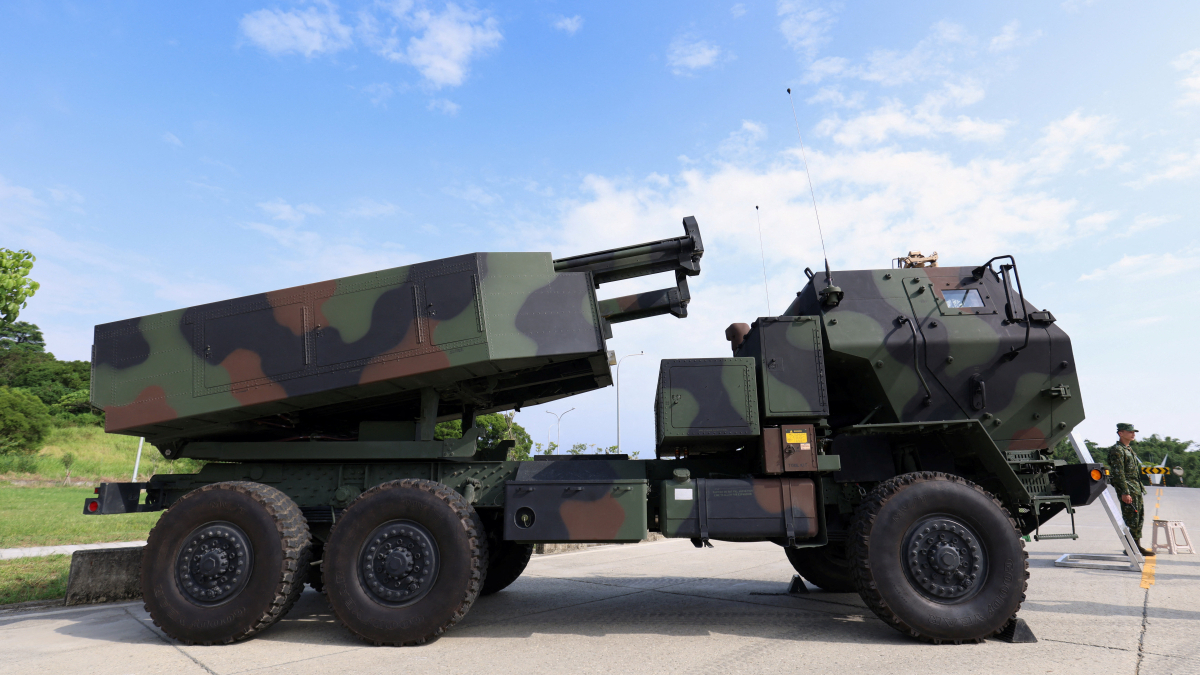
The U.S. is Taiwan's most important arms supplier and international backer, and China has repeatedly demanded weapons sales to Taiwan end.
After a May summit in Beijing with Xi, Trump said he was holding a new arms package, worth around $14 billion, in abeyance and described it as a “very good negotiating chip”.
A senior Taiwan security official told reporters that Beijing views any delay in U.S. arms transfers as a direct way to slow Taiwan's military build-up, giving China more room to expand pressure around Taiwan, Japan and the Philippines.
China could use a package of inducements, including purchases of U.S. goods or gestures on Middle East tensions, to convince Trump that reduced U.S. military commitments in the region could buy broader cooperation from Beijing, the official said.
China's military has significantly increased the number of naval, coast guard and research ships around Taiwan, in the South and East China Seas, and collecting data on things like undersea cables that could be useful for war, the official said.
China's foreign and defence ministries did not immediately respond to requests for comment. China has never renounced the use of force to bring Taiwan under its control, though says it would prefer “peaceful reunification”.
In Beijing, a spokesperson for Taiwan Affairs Office said it was Taiwan that was “deliberately” escalating confrontation.
‘Erroneous’ U.S. perceptions
A separate commentary in the People's Daily said Washington's “erroneous” perceptions of China and its inability to let go of the notion of strategic competition are the basic causes of their difficult relationship.
“In recent years, the tortuous path China-U.S. relations have travelled clearly shows the U.S.'s erroneous perceptions of China and its unwillingness to let go of the notion of 'strategic competition' are the fundamental cause of recurring difficulties,” said the commentary.
Both sides should cherish the favourable momentum that has come at “great cost, maintain the right direction, and eliminate interference”, said the article.
“The U.S. side, in particular, needs to maintain continuity and stability in its policies, honour its commitments, and inject certainty into bilateral relations,” it added.












What is your opinion on this topic?
Leave the first comment