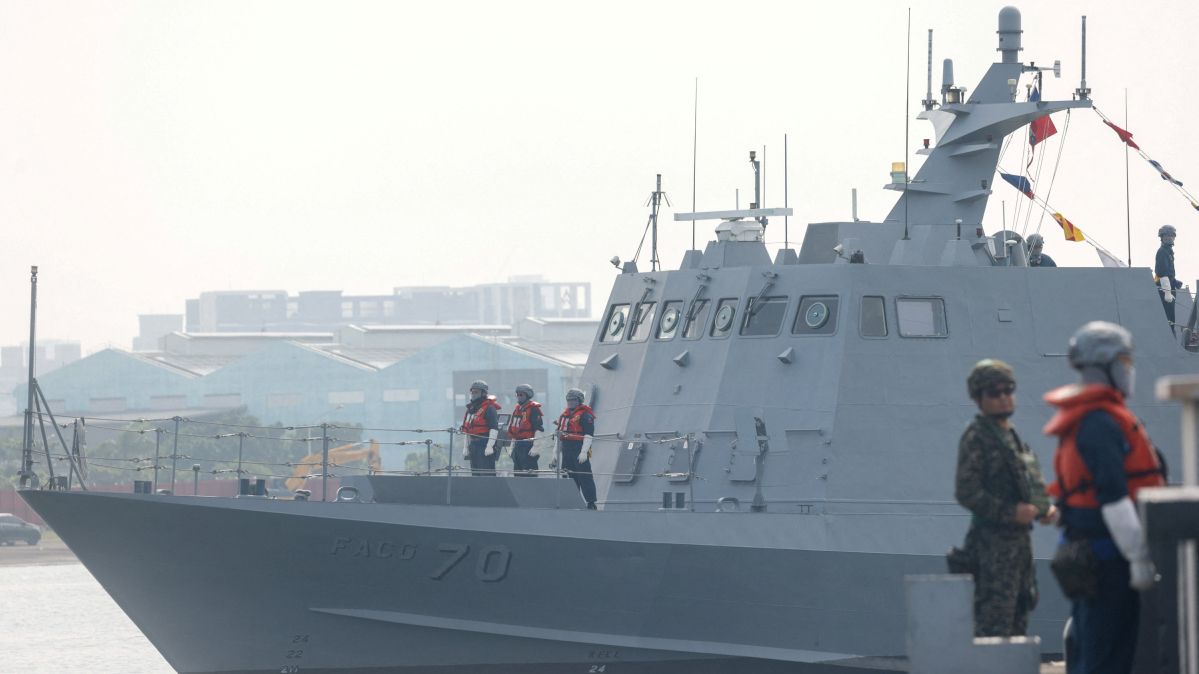
Taiwan is preparing to spend more money on its military than ever before, with President Lai Ching-te announcing plans for a record defence budget of $31.4 billion for 2027, taking military spending above three per cent of GDP for the first time.
Lai described the increase, which amounts to a 16 per cent rise in spending compared to the previous year, as an investment in peace and a sign of Taiwan’s determination to strengthen its self-defence.
The announcement comes as Taiwan faces growing military and political pressure from China, which claims the island as its territory. Chinese military forces operate almost daily around Taiwan, while Beijing has also increased coast guard patrols off the island’s east coast.
For Lai’s government, the answer is to invest more heavily in Taiwan’s ability to defend itself.
Preparing for a changing threat
Taiwan has made military modernisation a key priority, including the development of domestically produced submarines. The island has also been expanding its military capabilities as pressure from China grows.
The focus is not limited to traditional military equipment.
Taiwan’s parliament recently approved this year’s budget after months of political deadlock, including $63.4 billion Taiwan dollars (nearly $2 billion) for a major drone programme.
The funding was approved in full despite lawmakers cutting $48 billion Taiwan dollars ($1.5 billion) from the government’s original budget proposal.
The government says the drone programme is part of efforts to modernise the military and strengthen Taiwan’s ability to deter China.
A battle over the budget
But increasing defence spending has also become a political issue at home.
Lai’s Democratic Progressive Party lost its parliamentary majority after the 2024 election, leaving the opposition in control of the legislature. The political divide contributed to an unusually long delay in approving this year’s budget.
The opposition has argued against giving the government what it describes as a blank cheque, while Lai has called for greater professionalism and proportionality in the budget process.
Despite the dispute, the government is moving ahead with plans for another major increase next year.
The 2027 proposal would take Taiwan’s defence spending above the $31 billion mark for the first time and above three per cent of GDP.
More defence, but what does it achieve?
Taiwan’s challenge is not simply deciding how much money to spend. It is deciding what that money needs to achieve.
Lai argues that stronger defences can help maintain peace and stability across the Taiwan Strait. But the increase is taking place as China continues to expand military and political pressure on the island.
For now, Taipei is betting that stronger defences can help deter conflict.
The record $31.4 billion budget is the clearest sign yet of how seriously Taiwan is preparing for a more uncertain security environment.











What is your opinion on this topic?
Leave the first comment