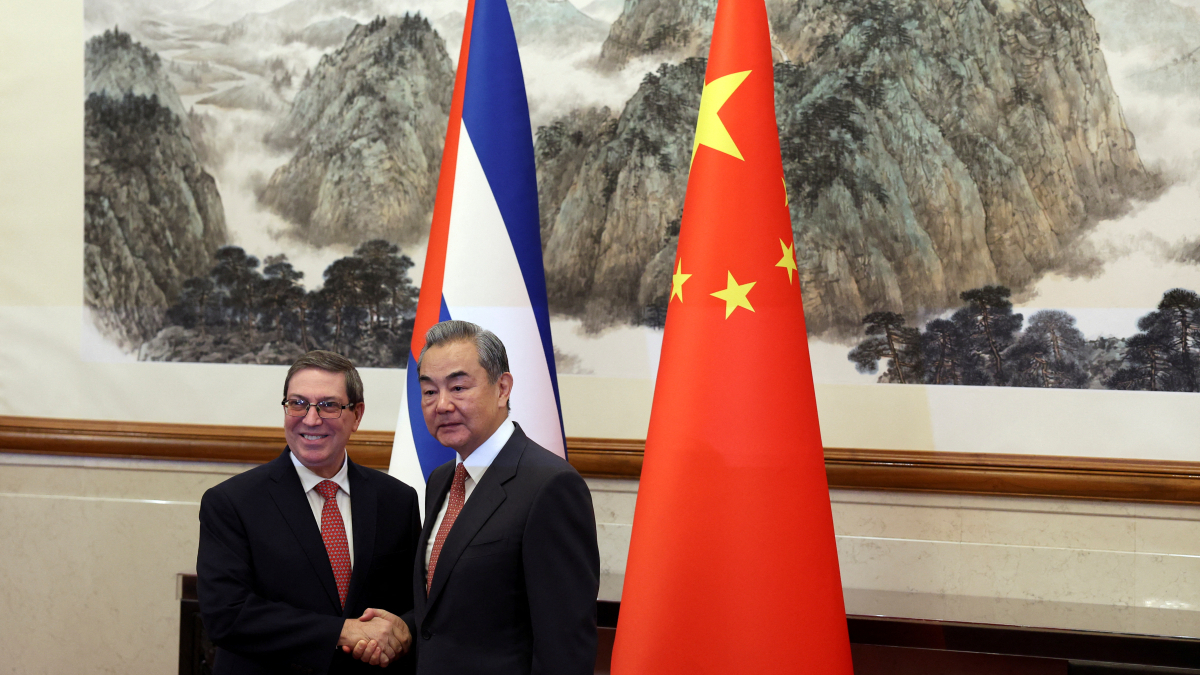
China has strongly opposed U.S. sanctions on two Chinese companies accused of supplying military equipment to Cuba, warning that the measures undermine bilateral economic relations and violate international law.
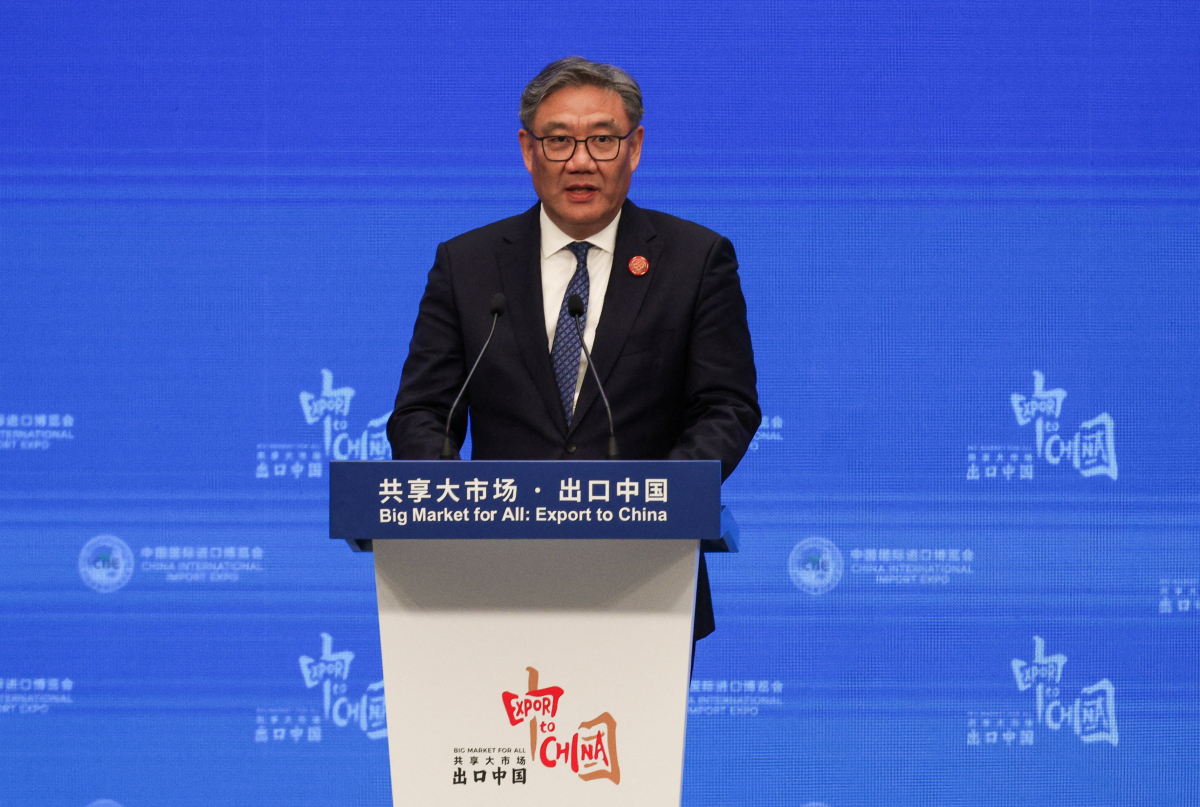
China's Ministry of Commerce said on Saturday 7 November that Washington had imposed unilateral restrictions on Chinese businesses over their dealings with a third country.
It then accused the U.S. of violating international law and basic norms governing international relations.
The response follows sanctions announced by the U.S. State Department on 5 November against China National Electronic Import and Export Company (CEIEC) and Beijing H&C Technologies, as Washington expands its campaign targeting Cuba's military suppliers and economic networks.
China's Commerce Ministry said the U.S. had recently intensified its sanctions against Chinese companies, introducing discriminatory restrictions that harmed their legitimate interests.
The ministry argued that the measures contradicted understandings reached between the Chinese and U.S. presidents and threatened the stability of bilateral economic and trade relations.
Beijing urged Washington to reverse the restrictions and said it reserved the right to take necessary measures to protect Chinese businesses.
The ministry did not announce specific retaliatory measures in its latest statement.
Why Washington sanctioned the companies
The U.S. State Department accused CEIEC and Beijing H&C Technologies of supplying military-related equipment and components to Cuba through Sociedad Mercantil Duna, a Cuban arms procurement company.
Washington said the companies had supported Cuba's military forces, while U.S. Secretary of State Marco Rubio accused foreign suppliers of helping sustain the Cuban government's security apparatus.
The sanctions form part of a broader package targeting eight entities and two individuals, alongside the identification of five vessels as blocked property.
The measures also cover Cuban state-linked businesses and networks associated with oil shipments and military procurement.
Alongside the sanctions, the U.S. Treasury expanded its authority to target foreign individuals and companies operating in four sectors of Cuba's economy: manufacturing, technology, electronics and maritime activity.
The determination allows Washington to impose restrictions on foreign businesses involved in those sectors, although it does not automatically sanction every company operating in them.
The Trump administration says the measures are intended to disrupt financial and supply networks supporting Cuba's government and military.
The latest restrictions come as Cuba faces severe energy shortages and prolonged power outages, with U.S. pressure on oil supplies adding to the island's economic difficulties.
China's response highlights a growing diplomatic dispute over Washington's use of sanctions against foreign companies doing business with Cuba, adding another source of friction to U.S.-China economic relations.












What is your opinion on this topic?
Leave the first comment