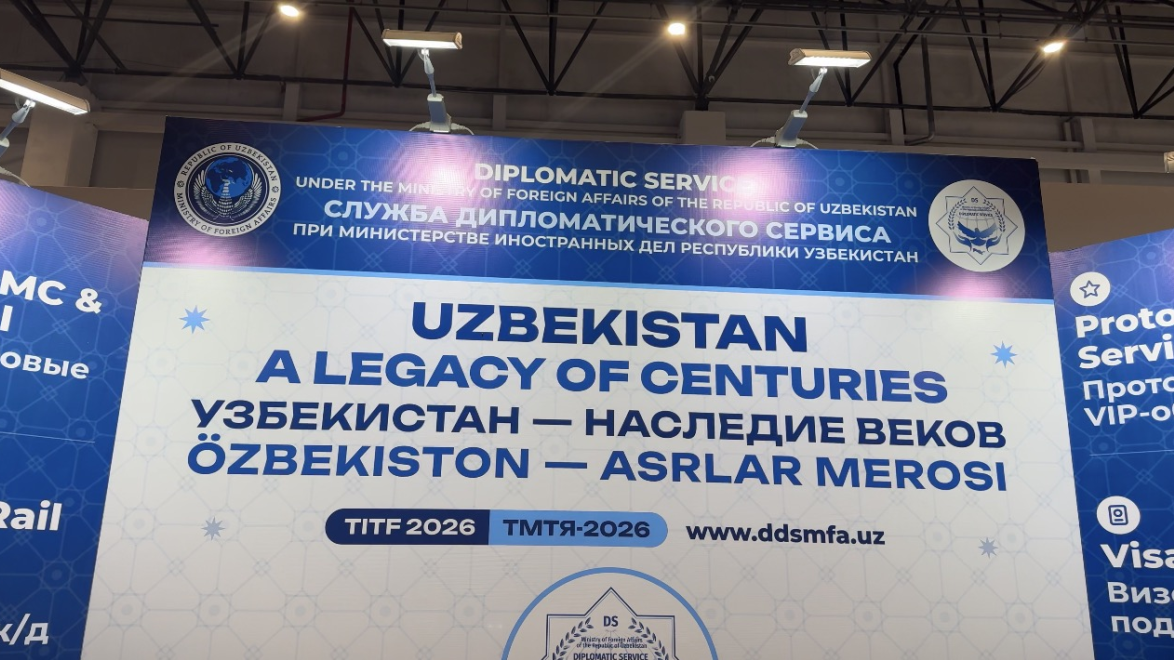
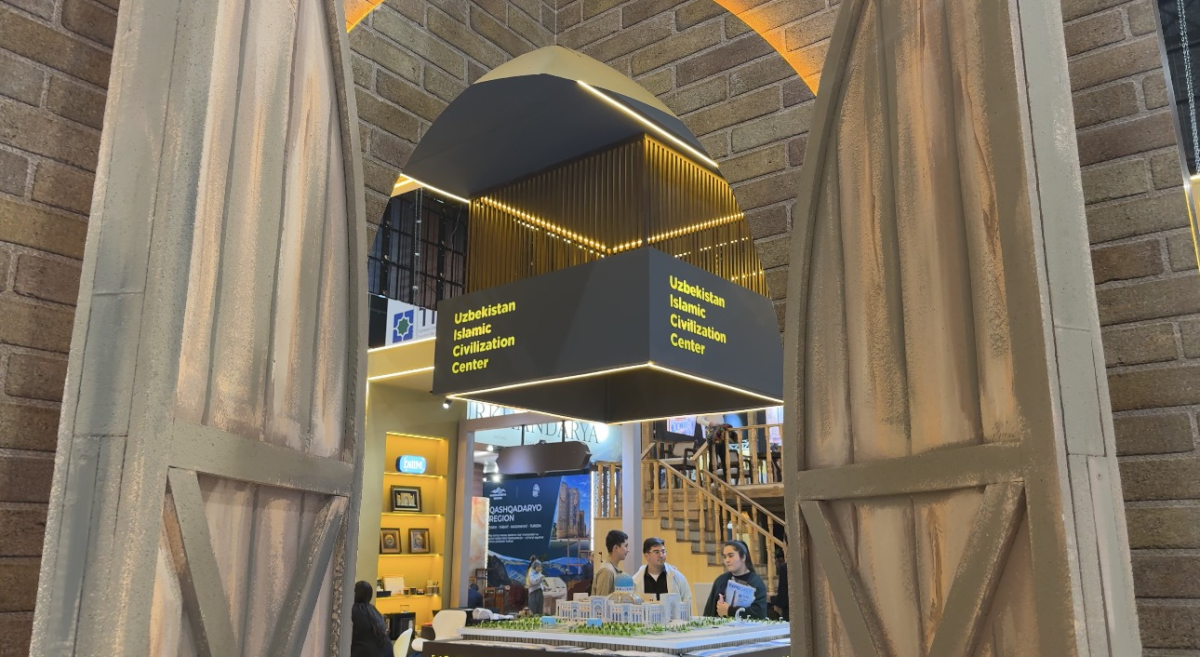
Uzbekistan and UN Tourism have officially launched 2027 as the International Year of Sustainable and Resilient Tourism at the 31st Tashkent International Tourism Fair.
The ceremony on 27 November coincided with the closing day of the ‘Tourism on the Silk Road’ fair and the inaugural International Tourism Investment Forum. The events brought together representatives from more than 45 countries over three days.
From Samarkand to the UN
Speaking to AnewZ, Aziz Mirjalilov, head of marketing at Uzbekistan’s Tourism Committee, said President Shavkat Mirziyoyev first proposed the initiative at the World Tourism Organization’s General Assembly in Samarkand in 2023.
The UN General Assembly adopted the resolution on 26 February 2024, with more than 80 countries as co-sponsors.
“The main goal is to make tourism accessible, sustainable and safe,” Mirjalilov said.
He described the initiative as recognition of Uzbekistan’s tourism achievements, cultural heritage and ancient traditions.
A call for regional cooperation
In a message to participants, President Mirziyoyev noted that tourism accounted for $11.6 trillion, or 9.8 per cent of global GDP, in 2025, highlighting domestic tourism’s role in strengthening resilience to crises.
He urged closer cross-border cooperation, citing Central Asia’s experience as a single tourism space, and proposed a five-year global action plan under UN Tourism extending beyond 2027.
Every region with its own appeal
Uzbekistan welcomed 11.6 million tourists in the first 10 months of 2026, matching the total for 2025, while tourism exports rose by 50 per cent to $6 billion.
By 2030, Uzbekistan aims to attract 20 million foreign tourists, generate $10 billion in tourism exports and increase the sector’s share of GDP to 7 per cent.
To ease pressure on historic cities, Uzbekistan is developing tourist villages and mahallas (traditional neighbourhoods), with plans to increase their number from 57 to 140 by 2030.
Mirjalilov said each region offers something different:
- Fergana Valley: crafts, from ikat silk to wood carving and ceramics
- Tashkent and Jizzakh regions: modern year-round mountain resorts such as Zaamin, Beldersay, Charvak and Amirsoy
- Kashkadarya: eco-tourism
- Surkhandarya: Buddhist heritage
- Karakalpakstan: the Aral Sea, Moynaq and the Savitsky Museum in Nukus
“Foreigners call the Savitsky Museum the Louvre in the desert,” he said.
Organisers said several agreements and memoranda were signed with foreign partners during the three-day event.
Read more:















What is your opinion on this topic?
Leave the first comment