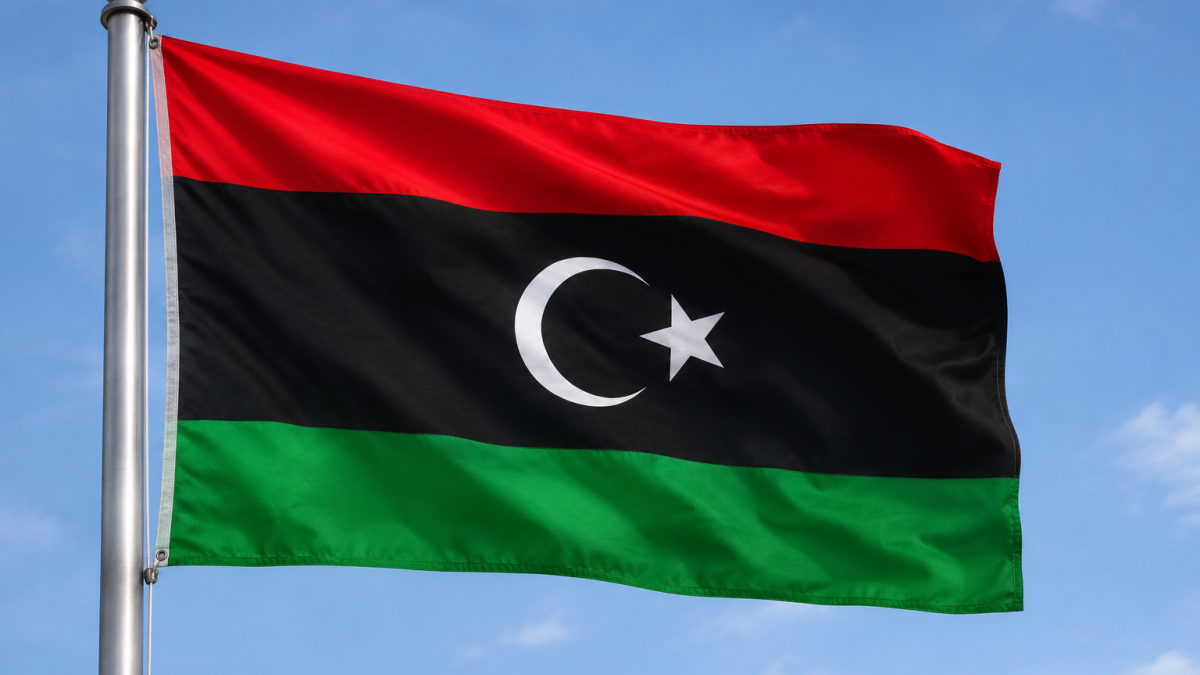
Algeria, Egypt and Tunisia have called for synchronised parliamentary elections in Libya, stepping up diplomatic efforts to end a political deadlock that has divided the country for more than a decade.
More than 15 years after the 2011 uprising that brought down Muammar Gaddafi, Libya remains politically divided. Rival administrations have existed since 2014, with the country now split between the internationally recognised Government of National Unity (GNU) in Tripoli and an eastern administration backed by the House of Representatives and General Khalifa Haftar.
The institutional split has paralysed national governance. A UN-brokered ceasefire in 2020 ended the worst of the fighting, but presidential and parliamentary elections scheduled for December 2021 collapsed amid disputes over electoral laws and candidate eligibility.
The rival camps remain locked in a power struggle, compounded by an influx of foreign weapons and mercenaries, as well as violent clashes over control of state institutions.
Regional pressure mounts
Meeting in Algiers on 25 October, following talks in Cairo on 21 May, the foreign ministers of Algeria, Egypt and Tunisia called for synchronised parliamentary elections under a unified legal framework.
They warned that the prolonged deadlock was deepening Libya’s divisions and stressed the urgent need for legitimate, unified national institutions.
Tentative progress towards elections
A major obstacle to credible national elections remains the failure of Libya’s rival administrations to agree on the formation of a unified government.
However, on 30 August, delegates from the “Smaller Convening” (4+4) reached a preliminary agreement on restructuring the High National Elections Commission and resolving longstanding ambiguities in electoral laws.
The agreement would establish a single electoral commission for 24 months. The UN Security Council welcomed the breakthrough in September, although implementing political agreements remains a challenge.
The three foreign ministers also backed the broader UN roadmap presented by Special Representative Hanna Tetteh on 21 August 2025.
While setting no firm deadlines or enforcement mechanisms, they stressed that any settlement must be Libyan-led, reflect the will of the population and bring international mediation efforts together.
Foreign intervention and regional security
Foreign military involvement remains a major obstacle to stability. Türkiye maintains a military presence in western Libya in support of the Tripoli government, while Russia has expanded its presence in Haftar’s eastern strongholds.
Egypt has long supported the eastern camp, while the United Arab Emirates, historically a key backer of Haftar, has recently sought closer ties with Tripoli.
The ministers called for an end to foreign intervention and the immediate withdrawal of all foreign troops, fighters and mercenaries. They also demanded full compliance with the 2020 ceasefire and the integration of Libya’s security forces.
For Algeria, Egypt and Tunisia, Libya’s stability is a national security priority. Porous desert borders facilitate the movement of armed groups, illicit weapons and smugglers, while Libya’s coastline is a major departure point for irregular migration across the Mediterranean, with security and economic implications for the wider Maghreb region.
Oil revenues and frozen assets
Economic concerns also featured prominently in the Algiers talks. With billions of dollars in Libyan sovereign wealth frozen overseas under international sanctions, the ministers urged foreign financial institutions to safeguard the assets and manage them transparently, in accordance with UN Security Council resolutions.
They also called for the implementation of the 2026 Unified Spending Framework, announced on 11 April.
Oil remains central to Libya’s political struggle. The country produces around 1.3 million barrels per day, but most oilfields and export terminals are in the east under Haftar’s control, while revenues flow to the Central Bank of Libya in Tripoli.
Disputes over revenue distribution have repeatedly triggered politically motivated oil blockades and economic crises.
Uncertainty over Libya’s political future
The ministers endorsed inclusive national reconciliation efforts led by the Libyan authorities and the African Union under UN auspices, stressing the importance of involving all sections of Libyan society.
Despite renewed regional diplomatic pressure, the Algiers communiqué contains no binding deadlines or penalties. Disputes over executive authority, electoral arrangements, oil revenues and foreign military involvement remain unresolved.
Tunisia is set to host the next round of trilateral consultations, with a date yet to be announced.
While Libya’s neighbours remain committed to diplomatic efforts, progress towards elections and lasting stability will depend on whether the country’s rival leaders can reach a political compromise.











What is your opinion on this topic?
Leave the first comment