Egypt and Sudan have welcomed an offer by U.S. President Donald Trump to restart mediation with Ethiopia in a bid to resolve the long-running dispute over Nile River water sharing.
Egyptian President Abdel Fattah al-Sisi said on Saturday that he valued Washington’s willingness to mediate, after Trump said the United States was ready to relaunch talks aimed at reaching a lasting agreement.
In a post on X, Sisi said he had responded to a letter from Trump by reaffirming Egypt’s position and its concerns over water security linked to Ethiopia’s disputed Grand Ethiopian Renaissance Dam (GERD).
Trump said on Friday that he was prepared to restart U.S.-led mediation between Egypt and Ethiopia, arguing that no country should unilaterally control the Nile’s resources to the detriment of its neighbours.
In a letter dated 16 January and shared on Truth Social, Trump stressed the importance of the Nile to Egypt and said any agreement must protect the long-term water needs of Egypt, Sudan and Ethiopia.
Regional reactions to U.S. mediation offer
Sudan’s army leader Abdel Fattah al-Burhan also welcomed the mediation offer on Saturday, according to Sudanese officials.
Trump said the proposed talks would rely on technical expertise and fair, transparent negotiations, with the United States playing a role in coordination and monitoring. He added that predictable water releases during droughts were essential for Egypt and Sudan, while allowing Ethiopia to generate electricity.
The letter was also shared with the leaders of Ethiopia and Sudan, as well as with Saudi Arabia and the United Arab Emirates, Trump said.
Why the Nile dispute matters
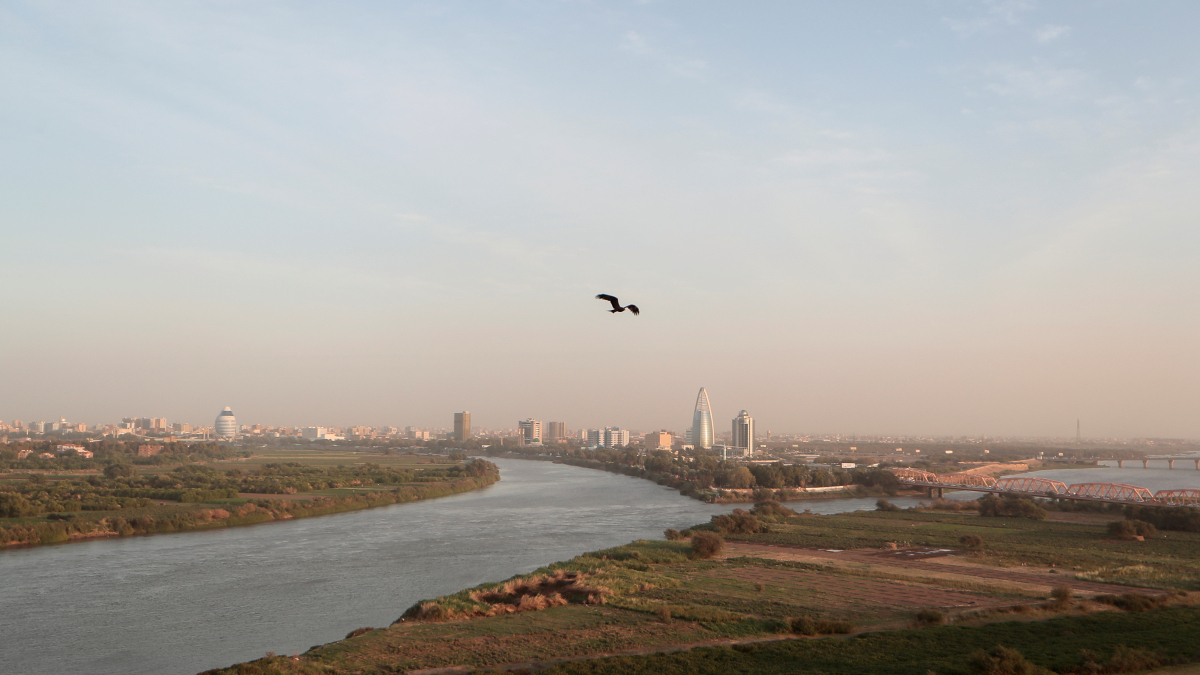
The dispute centres on Ethiopia’s $5bn GERD, built on the Blue Nile. Egypt says the project threatens its water security, while Ethiopia argues the dam is vital for national development and electricity generation.
Egypt depends on the Nile for more than 90% of its freshwater needs and views any reduction in downstream flow as an existential threat to food security, population growth and economic stability.
Ethiopia, where much of the Nile’s water originates, rejects those concerns and says the dam will not cause significant harm. Sudan, which lies between the two countries, has raised concerns about water regulation, dam safety and flood risks if the project is operated without coordination.
Negotiations between the three countries have repeatedly stalled over the past decade. Colonial-era water agreements that largely favoured Egypt and Sudan are rejected by Ethiopia, adding a legal and historical dimension to the dispute.

















What is your opinion on this topic?
Leave the first comment