live American F‑15s downed over Kuwait in friendly fire: All the latest news on the Iran strikes
Iran has been at the centre of a rapidly escalating regional crisis since Saturday, when U.S. and Israeli military strikes hit Tehran. Th...
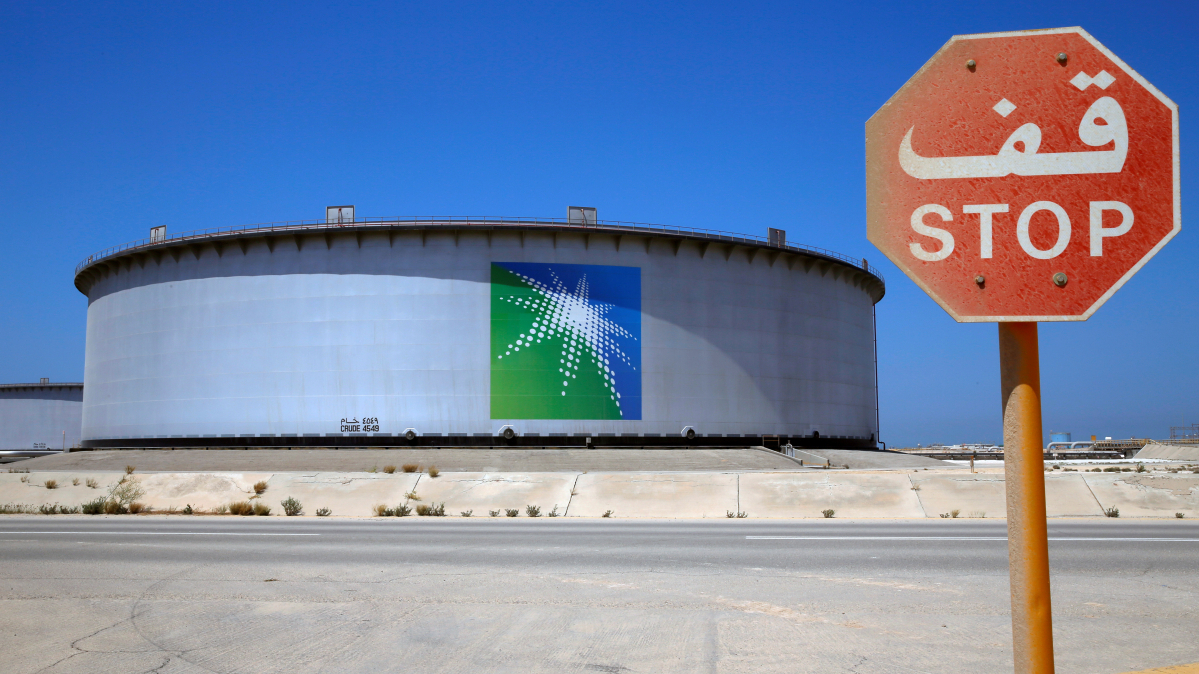
Saudi Arabia’s state oil giant Saudi Aramco closed its Ras Tanura refinery on Monday following an Iranian drone strike, an industry source told Reuters as Tehran retaliated across the Gulf after a U.S.-Israeli attack on Iranian targets over the weekend.
Ras Tanura, on the kingdom’s eastern coast along the Gulf, is one of the largest refining complexes in the Middle East. It can process about 550,000 barrels of crude oil a day and also functions as a key export terminal for Saudi oil.
Reports said the strike sparked a fire at the site, with videos circulating online appearing to show smoke rising from the facility. Workers at Aramco installations were evacuated as a precaution amid fears of further attacks.
Oil markets reacted sharply. Brent crude climbed by about 10% on Monday as tensions escalated across the region.
Saudi officials said the situation at Ras Tanura had been brought under control. The defence ministry said two drones were intercepted, with falling debris causing a limited blaze. No injuries were reported.
Some processing units were taken offline as a safety measure, but supplies to domestic fuel markets have not been disrupted, according to the Saudi state news agency, which cited an energy ministry official. Aramco did not immediately respond to requests for comment.
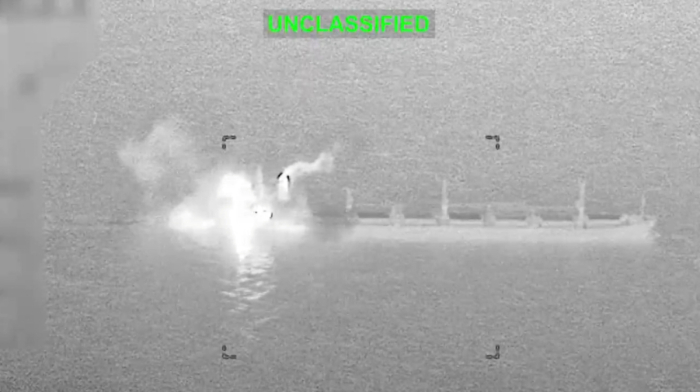
The closure is expected to heighten concerns over global supply, particularly as shipping through the Strait of Hormuz - a route that carries roughly a fifth of the world’s oil consumption - has slowed dramatically following attacks on vessels nearby.
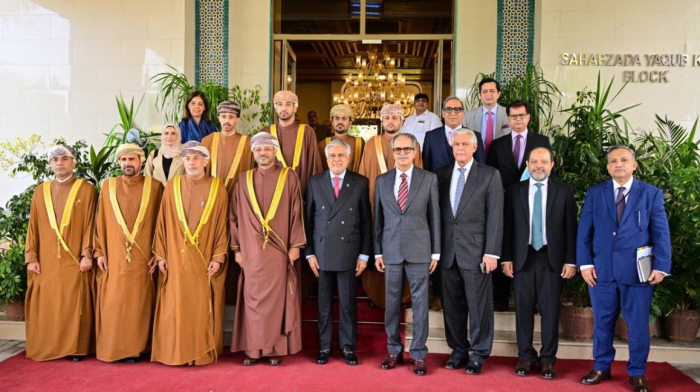
Iranian strikes have reportedly hit targets across the Gulf, including in the United Arab Emirates and Oman, disrupting key shipping hubs. Several countries in the region, among them Bahrain, Qatar and Kuwait, have also been affected.
The escalation follows strikes carried out by the U.S. and Israel on Iran on Saturday, which reportedly killed several senior figures.

Follow the latest developments and global reaction after the U.S. and Israel launched “major combat operations” in Iran, prompting retaliation from Tehran.
Ayatollah Alireza Arafi has moved into a pivotal constitutional role following the death of Supreme Leader Ayatollah Ali Khamenei, becoming the clerical member of Iran’s temporary leadership council under Article 111 of the Constitution of the Islamic Republic of Iran.
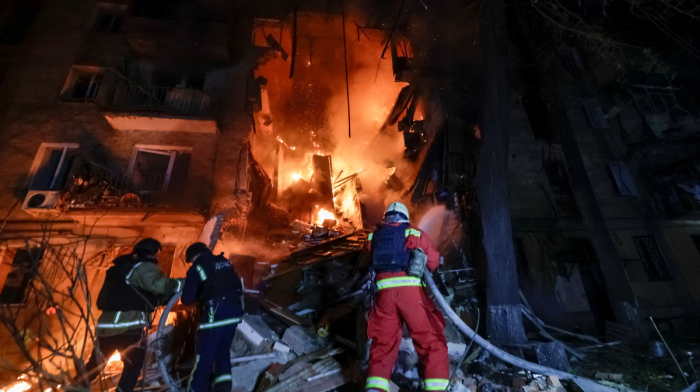
Iran has been at the centre of a rapidly escalating regional crisis since Saturday, when U.S. and Israeli military strikes hit Tehran. The attack prompted retaliatory strikes by Tehran across the Middle East, civillian casualties, maritime disruptions and international diplomatic responses.
The Kremlin is utilising the recent United States and Israeli military strikes on Iran to validate its ongoing war in Ukraine. Russian officials are pointing to the escalation in the Middle East as evidence that Western nations do not adhere to international rules.
Türkiye raised its security level for Turkish-flagged vessels in the Strait of Hormuz to Level 3 on Sunday (2 March). The development follows Iranian restrictions on shipping after U.S. and Israeli strikes and confirmation of Supreme Leader Ali Khamenei’s death.
Israel carried out heavy airstrikes on the Hezbollah-controlled southern suburbs of Beirut on Monday (2 March), after the Iran-backed group launched missiles and drones towards Israel in retaliation for the killing of Iran's Supreme Leader Ali Khamenei.
Kazakhstan and Serbia have agreed to deepen their strategic partnership following talks in Astana between Presidents Kassym-Jomart Tokayev and Aleksandar Vučić, signalling a shift from political dialogue towards more practical cooperation.
The International Atomic Energy Agency (IAEA) says it has no evidence that Israeli or U.S. strikes damaged Iran’s nuclear facilities, although contact with Iranian authorities has failed.
China expressed serious concern over the escalating conflict in Iran, confirming that one Chinese national was killed in Tehran. Beijing called for an immediate halt to military operations and a return to diplomatic talks, while other Asian countries have also voiced their positions on the crisis.
Iran’s Islamic Republic is backed by decades of institutional strength and the Islamic Revolutionary Guard Corps (IRGC) has proved to be resilient. Middle East expert Kevan Gafaïti from Sciences Po Paris explains why Iran's institutions are, therefore, unlikely to crumble under renewed strikes.
You can download the AnewZ application from Play Store and the App Store.
What is your opinion on this topic?
Leave the first comment