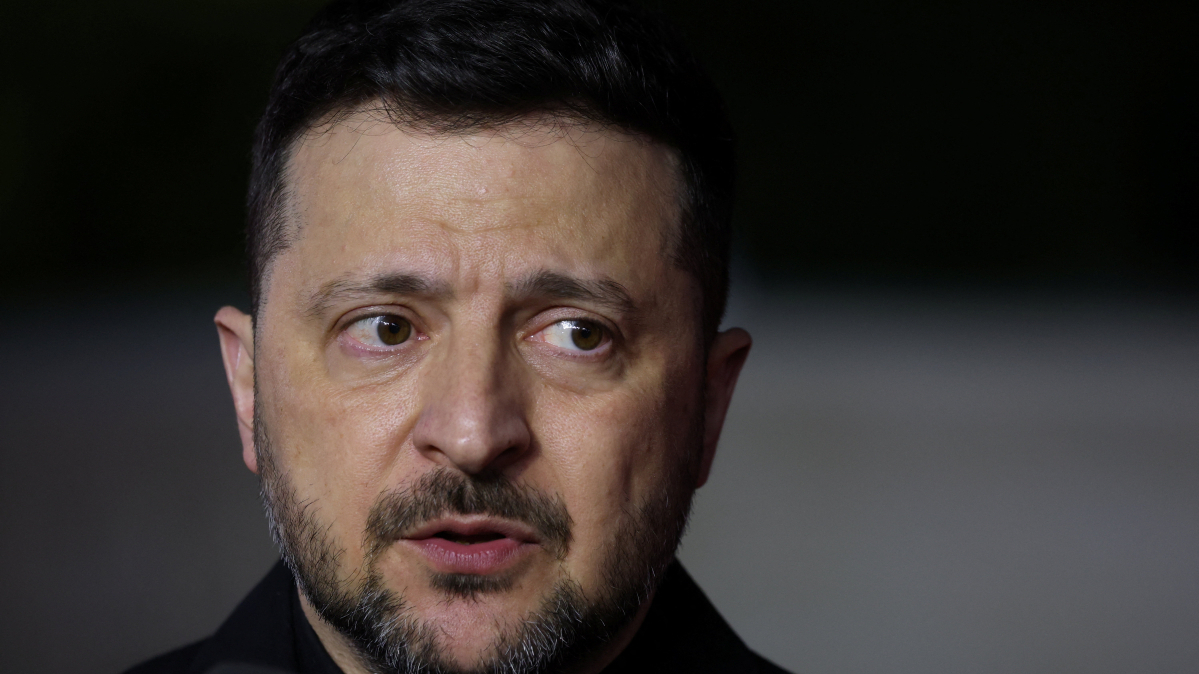
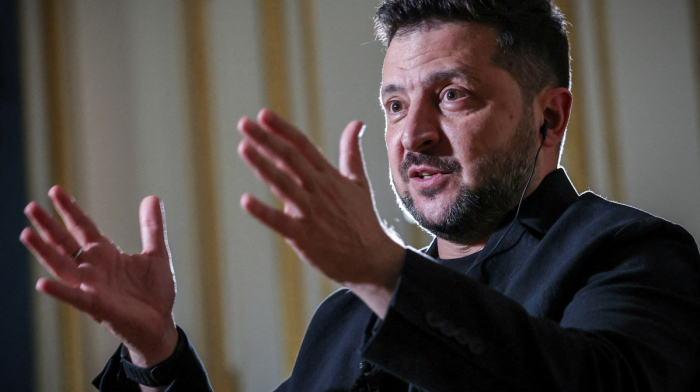
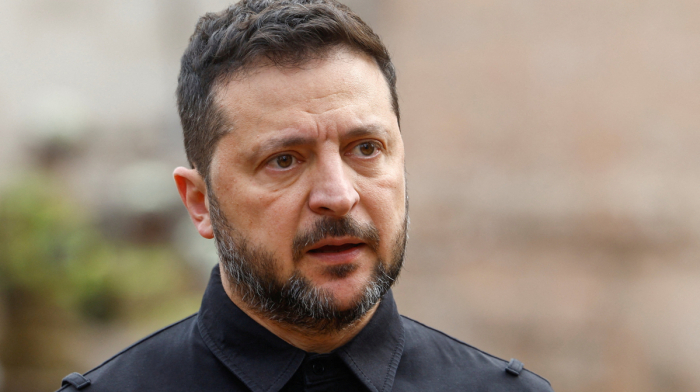
Ukrainian President Volodymyr Zelenskyy has rejected a German proposal to grant Ukraine “associate” membership of the European Union, warning it would leave Kyiv without a meaningful voice in the bloc.
In a letter to EU leaders, Zelenskyy criticised the plan put forward by German Chancellor Friedrich Merz, which would allow Ukraine to take part in EU meetings and institutions without voting rights as an interim step towards full membership.
“We are defending Europe fully, not partially, and not with half-measures,” Zelenskyy said, stressing Ukraine’s frontline role in countering Russian aggression. “It would be unfair for Ukraine to be present in the European Union, but remain voiceless.”
The letter, addressed to European Council President Antonio Costa, European Commission President Ursula von der Leyen and Cypriot President Nikos Christodoulides, also highlighted Ukraine’s ongoing efforts to meet EU standards despite the war.
Zelenskyy argued that the moment was right to advance accession talks, pointing to recent political changes within the EU, including the electoral defeat of Hungary’s Viktor Orbán, a long-time opponent of Ukraine’s membership bid. He said Ukraine “deserves a fair approach and equal rights within Europe” and called for progress that reflects its contributions and sacrifices.
Merz has presented the “associate membership” concept as a pragmatic compromise, aimed at bridging the gap between Ukraine’s current candidate status and full EU accession. The proposal would grant Kyiv limited participation in EU institutions, gradual access to the EU budget and a political commitment to extend mutual defence provisions.
Germany has said the idea is intended to open discussion and accelerate Ukraine’s integration, while maintaining that full membership remains the ultimate objective.
EU officials, however, have cautioned that full accession is unlikely in the near term, given the need for unanimous approval from all member states and the scale of reforms required. While some diplomats see the German proposal as a way to speed up the process, others question its legal basis and whether a non-voting status would be acceptable to Kyiv.
Zelenskyy acknowledged that EU membership is a long-term process, but pointed to previous enlargements to argue that integration can move forward without limiting a country’s rights within the bloc.













What is your opinion on this topic?
Leave the first comment