As Armenia approaches parliamentary elections, Russia appears to be increasing political and economic pressure on Yerevan, signalling that closer integration with the EU could lead to significant changes in labour, transport and energy arrangements between the two countries.
Pressure ahead of the vote
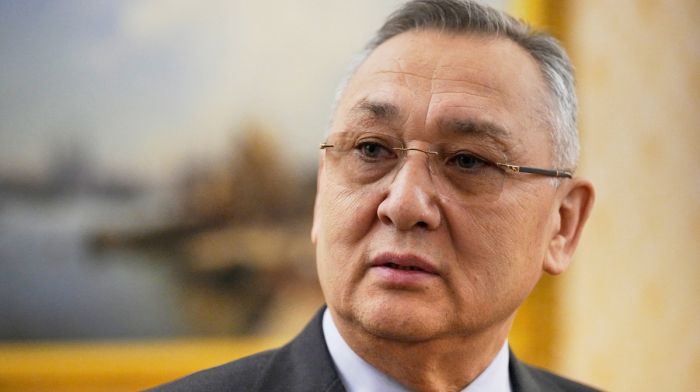
Speaking to AnewZ, South Caucasus expert Alihuseyn Gulu-Zada, based in Rome, said the messaging should be viewed as a coordinated pressure campaign delivered at a critical political moment for Armenia.
Gulu-Zada argued that the timing of Moscow's warnings is central to their political impact, coming just days before the vote.
President Vladimir Putin reportedly warned that, if Armenia were to move away from the Eurasian Economic Union (EAEU), Armenian migrant workers in Russia could face stricter employment conditions, including work permit requirements and tighter eligibility criteria for compulsory health insurance.
He also outlined possible adjustments to transport and trade frameworks, including the reintroduction of a licensing system for Armenian road transport operators, higher rail freight tariffs and potential increases in energy costs.
According to Gulu-Zada, these measures reflect a broader strategy of leveraging structural economic dependencies rather than taking immediate punitive action.
Migration, transport and energy
The expert noted that Armenia's economic links with Russia make it particularly vulnerable to policy shifts in three key areas: labour mobility, logistics and energy pricing.
Any tightening of rules for Armenian workers in Russia would directly affect remittance flows, while changes in transport tariffs could increase costs across regional supply chains.
Energy pricing, he added, remains one of the most sensitive instruments, given Armenia's reliance on imported resources and infrastructure links with Russia.
Political messaging
Gulu-Zada also highlighted Putin's framing of the Ukraine conflict, noting that the Russian president argued that "the crisis in Ukraine originally started with attempts to align Ukraine with the EU".
The expert said the comparison is intended as a broader geopolitical warning to post-Soviet states considering deeper Western integration, placing Armenia within a wider narrative about the risks Moscow associates with EU alignment.
Strategic uncertainty
With parliamentary elections approaching, Gulu-Zada said Armenia is operating in an increasingly constrained strategic environment, balancing its membership of the EAEU with growing political and institutional engagement with Western partners.
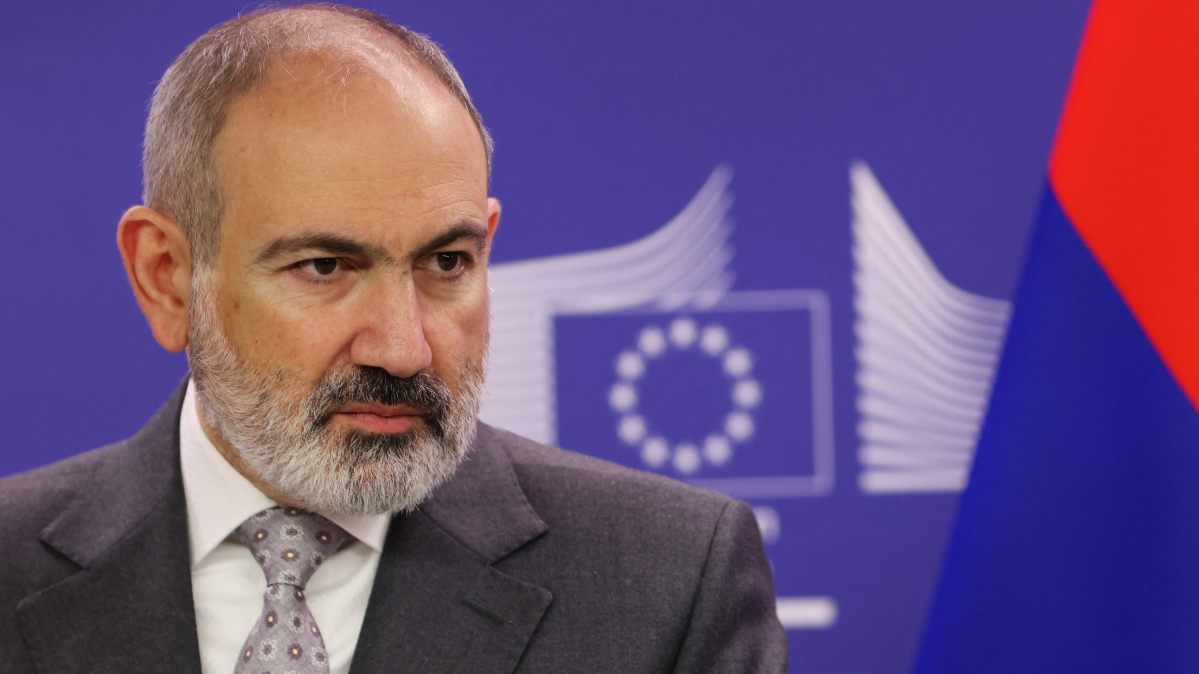
"Nikol Pashinyan’s government has maintained that Armenia will remain within the Eurasian framework unless a decisive geopolitical choice becomes unavoidable," he said.
However, the expert stressed that the current pressure campaign underscores how limited Yerevan's room for manoeuvre remains, particularly in the economic sphere.
Gulu-Zada concluded that Russia's approach reflects what he describes as a form of "coercive interdependence", in which existing economic integration is used as leverage during periods of political transition.
In this context, he argued, Armenia's challenge is not only electoral but also structural. It involves managing competing external pressures while maintaining economic stability and avoiding abrupt geopolitical shifts during a sensitive domestic period.










What is your opinion on this topic?
Leave the first comment