A sweeping overhaul of immigration and asylum policy has come into force across the European Union, marking the bloc’s most significant collective response to migration challenges in a decade.
The reforms, agreed in 2024 after years of negotiations, are being implemented after a two-year transition period.
They aim to tighten border management and streamline asylum procedures amid mounting political pressure, including from far-right nationalist parties.
European Commission President Ursula von der Leyen described the agreement as “fair and firm”, saying it would deliver stronger external borders, greater solidarity among member states, and more efficient asylum and return systems.
The new framework introduces a range of changes designed to standardise migration policy across the EU:
- Stricter controls at external borders
- Faster processing of asylum claims
- Expanded use of digital systems to track applications
- Increased deportations of unsuccessful applicants
- A “solidarity mechanism” requiring states to either accept relocated migrants or provide financial or operational support
Uneven readiness across member states
Despite the policy shift, concerns remain over how quickly and effectively the changes can be put in place. Readiness varies significantly among the EU’s 27 member states, raising questions about implementation.
“We have to realise that nearly no member state is ready to 100 per cent,” said Birgit Sippel, a centre-left German lawmaker. “That’s even more disappointing because it’s not that we started at zero.”
Migration is expected to be a central issue in upcoming elections in several countries, including France, Italy and Poland, where political debate has increasingly shifted towards stricter controls.
Roberto Forin of the Mixed Migration Centre said: “The political centre of gravity has already shifted significantly rightward over the past decade.”
Critics question deterrence approach
Some analysts and rights groups argue that the reforms place too much emphasis on deterrence and fail to address the root causes of migration, such as conflict and poverty.
Roberto Forin cited survey data showing that many migrants are not discouraged by existing policies. “The debate has been trapped in a false dichotomy… as if the only way to demonstrate control is to restrict and deter,” he said.
Concerns have also been raised about the enforcement of the “solidarity mechanism”, which relies largely on political pressure and could deepen divisions among member states.
Pressure to keep arrivals low
EU countries are implementing the reforms at a time when migration levels have already begun to decline. Officials are keen to maintain that trend and avoid testing the new system too early.
“I would expect member states to do everything they can to keep arrivals… low,” said Alberto Horst Neidhardt of the European Policy Centre.
There are also increasing discussions about establishing centres outside the EU to process or deport failed asylum seekers.
Funding and rights concerns
The European Commission has proposed significant funding to support the overhaul, including a €6.34 billion budget for migration, border management and internal security in the next long-term spending plan.
While the pact includes safeguards for vulnerable groups, rights organisations have warned the measures could restrict access to asylum and expand the use of detention.
“Our fear is that bad law coupled with an unwillingness to enforce standards… leads to a continuation of this race to the bottom,” said Minos Mouzourakis of Refugee Support Aegean.
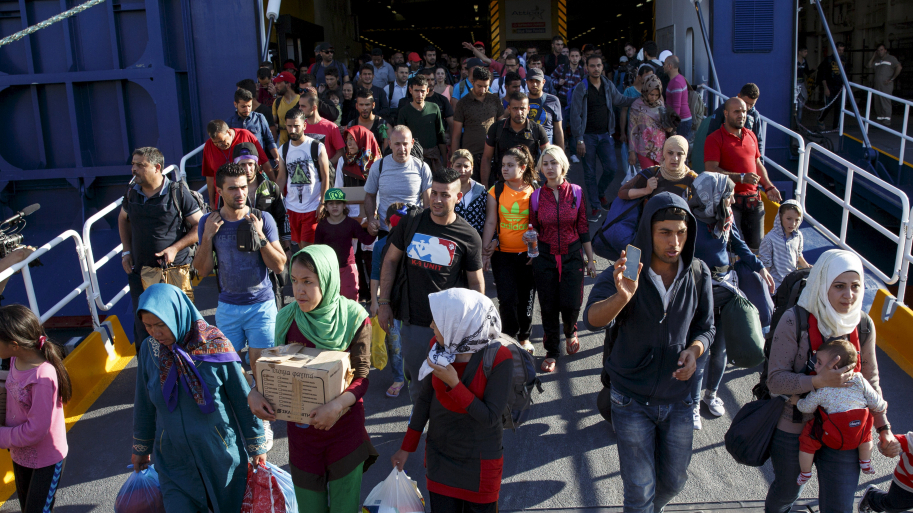
The reforms are rooted in lessons from the 2015 migration crisis, when more than one million people arrived in Europe, exposing divisions within the EU over responsibility sharing and border management.




















What is your opinion on this topic?
Leave the first comment