A power disturbance that swept across Kazakhstan, Kyrgyzstan, Tajikistan and Uzbekistan on 14 August has highlighted both the benefits and vulnerabilities of Central Asia’s interconnected electricity grid.
Parts of the four countries lost power almost simultaneously on Friday afternoon, affecting major cities including Almaty, Bishkek and Dushanbe, as well as parts of southern Uzbekistan.
Kazakhstan’s Energy Ministry initially said a sudden change in electricity flows within the Central Asian power system had triggered emergency protection equipment.
Four days later, the sequence of events - and responsibility for the disruption - remains under investigation.
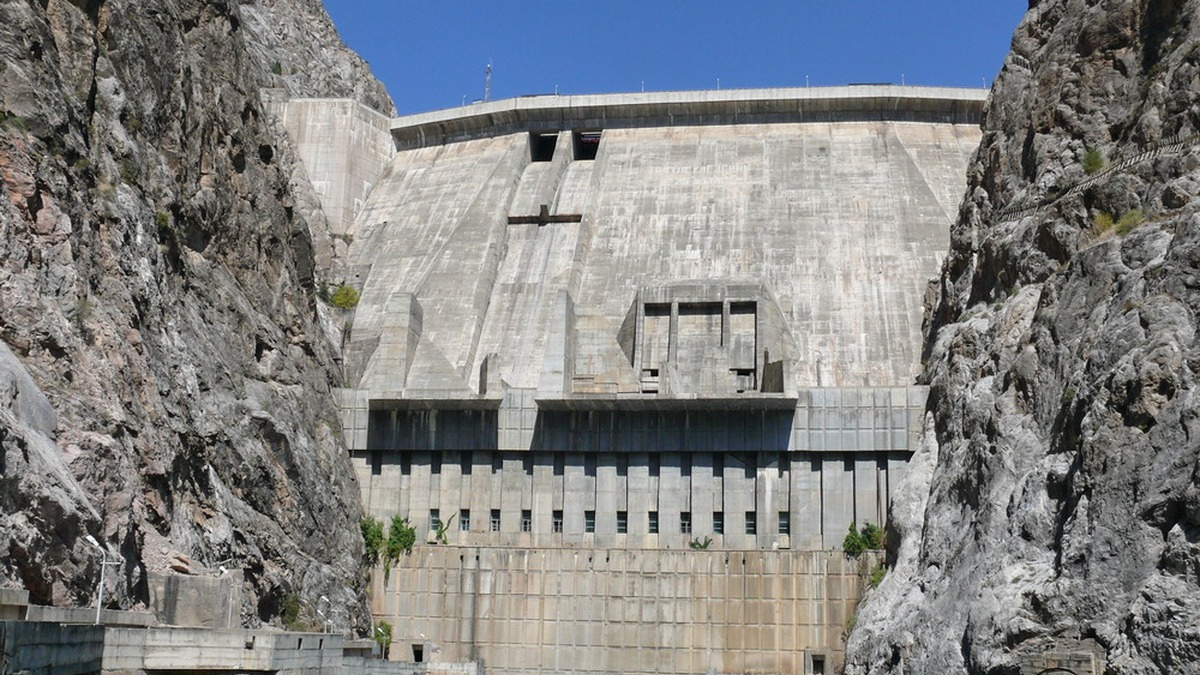
Kazakhstan's grid operator KEGOC says the disturbance began when two generators with a combined capacity of 600 megawatts went offline at Kyrgyzstan's Toktogul Hydropower Plant.
Kyrgyzstan confirmed the temporary loss of the generators but disputes claims that the incident directly caused the subsequent blackouts. A joint investigation is examining what happened.
How the blackout unfolded
According to KEGOC managing director Nurzhan Kerimkulov, the two Toktogul generators disconnected at around 14:37 Kazakhstan time, removing roughly 600 MW from the regional system.
KEGOC said the loss altered electricity flows through Kazakhstan's North–South transmission corridor. The resulting overload triggered emergency protection systems and separated southern Kazakhstan from the country's unified electricity system.
In Almaty, three 500-kilovolt transmission lines disconnected, while automated load shedding removed about 300 MW of demand.
Traffic lights stopped working in parts of the city, businesses lost electricity and congestion built up on roads. Power cuts were also reported in Bishkek and Dushanbe. Uzbekistan said an accident in a neighbouring country's power system had affected the wider regional network.
Power returned relatively quickly. KEGOC said voltage was restored to the Almaty energy hub by 16:12 and parallel operation with the Central Asian system at 16:26. Tajikistan said supplies were restored across the country later that day.
Kyrgyzstan challenges blame
Kyrgyzstan's Energy Ministry challenged suggestions on 17 August that the initial Toktogul disruption made the country responsible for the wider blackout.
Officials said the regional system separated into isolated operation at 15:37 Kyrgyzstan time and frequency returned to its normal 50-hertz level by 15:55. Kyrgyzstan then supplied around 250 MW to help neighbouring systems.
The ministry said the Almaty power hub went down after the regional system's frequency had already returned to normal.
Investigators must therefore establish whether subsequent failures within individual national grids allowed the original disturbance to spread.
A special commission is investigating.
Why one failure can spread
Central Asia's electricity network was developed during the Soviet period as an interconnected regional system. Cross-border links allow countries to exchange electricity, balance shortages and surpluses and make better use of different energy resources.
But interconnection also means disturbances can travel rapidly.
When a large generator goes offline, electricity must immediately come from elsewhere. Power flows change, system frequency can fall and transmission infrastructure can become overloaded.
Automatic protection systems can then disconnect lines or consumers to prevent wider damage - cutting power to part of the network to protect the overall system.
The 14 August outage appears to have involved such a cascading sequence, although investigators must determine exactly how the safeguards responded.
Echoes of 2022
Central Asia experienced a larger cross-border blackout on 25 January 2022, when Kazakhstan, Kyrgyzstan and Uzbekistan lost power following emergency imbalances in the regional system.
KEGOC said Kazakhstan's North–South transmission line disconnected. The disruption affected transport, airports, traffic lights and water supplies, leaving millions without electricity for several hours.
Both incidents involved problems affecting Kazakhstan's crucial north-to-south electricity corridor.
Ageing grids face rising demand
Central Asia's vulnerability extends beyond any single power source. Kyrgyzstan and Tajikistan rely heavily on hydropower, while Kazakhstan and Uzbekistan are more dependent on fossil fuels.
The wider challenge includes ageing generation and transmission infrastructure, rapidly rising electricity demand and growing pressure to integrate renewable energy.
The World Bank estimates that electricity demand across Central Asia could more than double by 2050.
In Uzbekistan, more than half of distribution-network facilities have operated for over 30 years, while technical distribution losses were estimated at around 13 per cent in 2024, according to the World Bank.
Kazakhstan strengthens key corridor
Kazakhstan was already investing in the part of its network implicated in the disturbance.
KEGOC said in June that it was implementing a 137.6-billion-tenge project to strengthen the southern zone of Kazakhstan's unified electricity system.
The project aims to increase transmission capacity, accommodate more renewable generation and allow Kazakhstan's grid to operate independently from the wider Central Asian system when necessary.
That capability could prove crucial. Interconnected grids need to be able to separate safely during emergencies, stabilise and reconnect once conditions return to normal.
Integration and resilience
The blackout does not necessarily weaken the case for regional electricity cooperation. Interconnection gives countries access to larger pools of generation and helps balance differences between national energy systems.
But the 14 August disruption shows why failures must be contained before they cascade across borders.
Investigators must establish not only what happened first at Toktogul, but why subsequent safeguards failed to prevent power cuts across several national systems. Until that work is complete, assigning responsibility to one country would be premature.
As Central Asia becomes more electrically interconnected while demand rises and ageing infrastructure faces increasingly complex power flows, the lesson is clear: deeper regional integration must be matched by a more resilient grid.















What is your opinion on this topic?
Leave the first comment