China’s top leadership has unveiled a new push to turn advanced technologies into large-scale industrial priorities as part of the country’s upcoming 15th Five-Year Plan, which will guide economic and social development from 2026 to 2030.
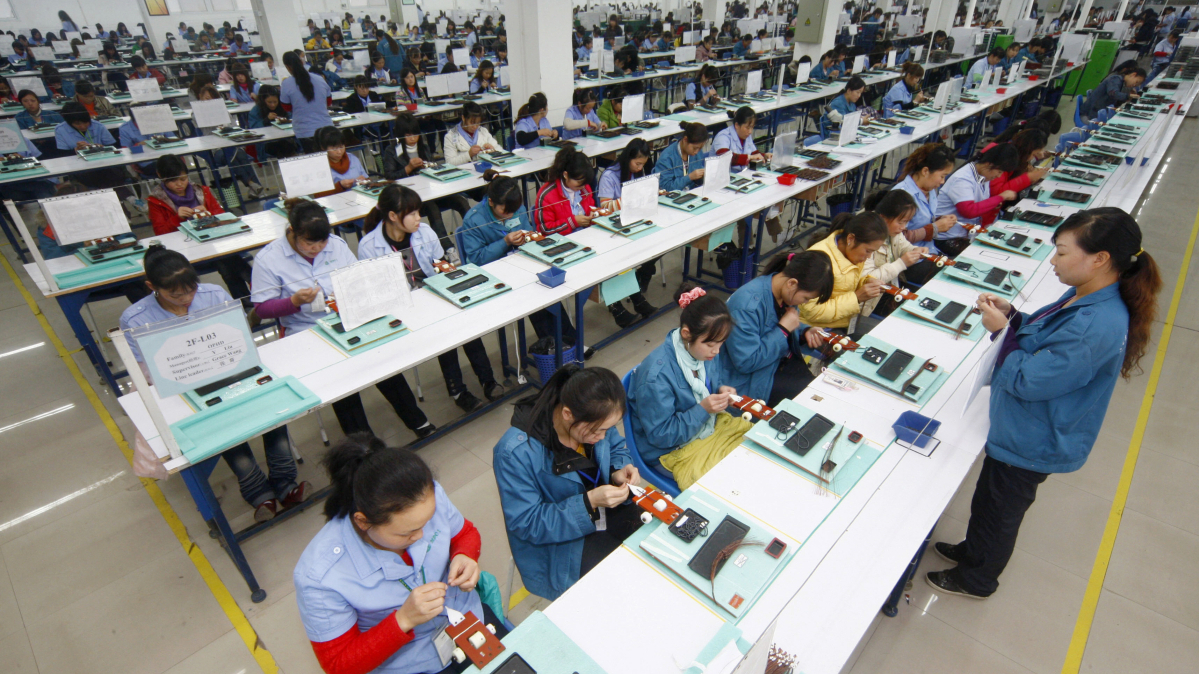
Officials say the plan is designed to move cutting-edge technologies out of laboratories and into factories, supply chains and everyday life. In practical terms, Beijing wants to accelerate the process of turning scientific breakthroughs into commercial products and industries that create jobs and sustain growth.
The strategy builds on China’s long-established system of five-year plans, which set medium-term economic targets. This time, the emphasis is on what leaders call “new productive forces” – industries driven by artificial intelligence, advanced manufacturing, green energy, next-generation telecommunications and biotechnology. Rather than relying heavily on traditional sectors such as property and low-end manufacturing, policymakers want future growth to come from innovation and higher-value industries.
Investment in smarter technology
Under the blueprint, key technologies including AI-powered robotics, intelligent manufacturing systems and advanced semiconductors are expected to receive stronger policy support. This could include increased research funding, tax incentives for companies and closer coordination between universities, state-owned enterprises and private firms. The aim is to scale up promising technologies more rapidly so they can compete on the global stage.
Green development is another central pillar. Clean energy equipment, electric vehicles, battery storage and environmentally friendly industrial processes are likely to be prioritised. Leaders say the shift is not only about cutting emissions, but also about securing China’s position in fast-growing global markets linked to the energy transition.
Plan to maximise economic growth
Analysts say the renewed focus on large-scale industrialisation reflects lessons learned over the past decade. China has made significant advances in research and innovation, yet translating those gains into commercially competitive industries has at times proved slower than anticipated.
The new plan seeks to close that gap by strengthening supply chains, encouraging domestic demand for high-tech products and reducing reliance on foreign technologies in sensitive sectors.
The 2026–2030 period is widely seen as critical to China’s economic transformation. Growth has slowed in recent years as the country adapts to structural challenges at home and a more uncertain global environment. By prioritising high-tech and strategic industries, leaders hope to build more stable and sustainable engines of growth.
Although detailed implementation measures are expected to be introduced gradually, the direction of travel is clear: innovation is no longer simply a long-term ambition, but a central driver of China’s next stage of development. The coming five years will test how effectively the country can convert scientific ambition into large-scale industrial strength.



















What is your opinion on this topic?
Leave the first comment