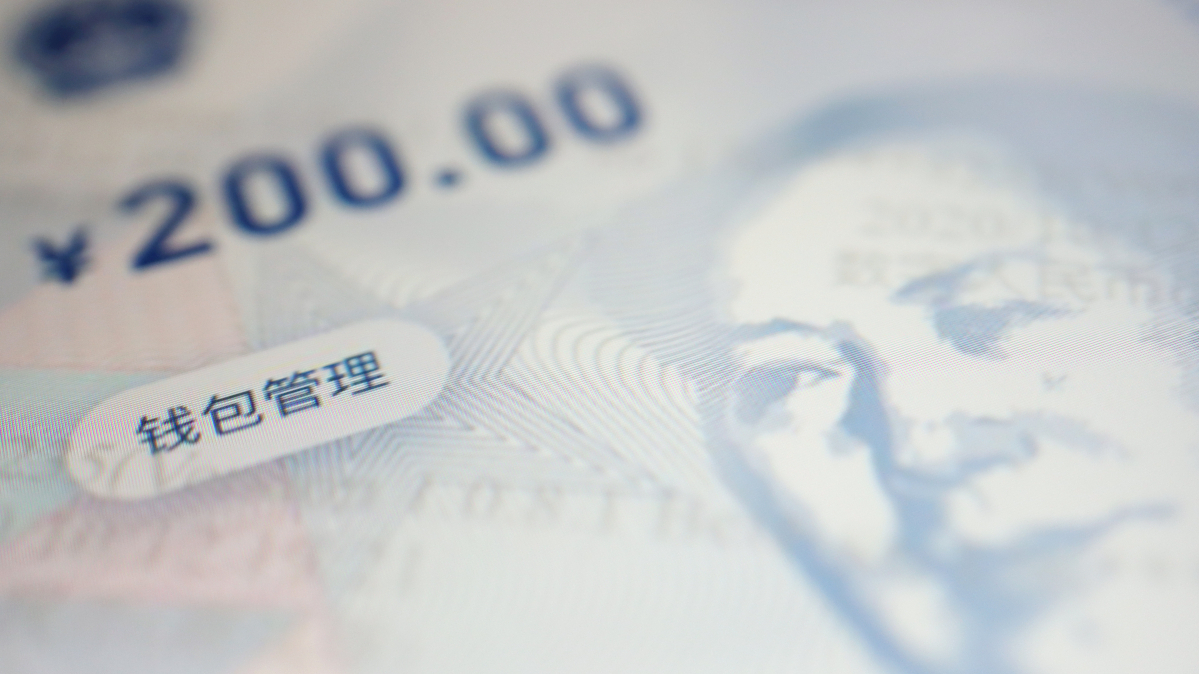
China has unveiled a redesigned version of its state-backed digital currency, marking the latest step in the country’s long-running effort to modernise how money moves through its economy.
The digital currency, officially known as the digital yuan or e-CNY, is issued by China’s central bank. Unlike cryptocurrencies such as Bitcoin, which are decentralised and often volatile, the digital yuan is fully backed and controlled by the government. It is essentially a digital form of cash with the same value as physical renminbi, but stored and transferred electronically.
The redesign centres on improving the user experience, expanding compatibility with popular payment platforms and strengthening security features. Officials say the updated system will make it easier for individuals and businesses to use the digital yuan for everyday payments, from shopping and dining to transport and government services.
In simple terms, China wants paying with the digital yuan to feel just as smooth as using existing mobile payment apps. Over the past decade, Chinese consumers have grown accustomed to paying for almost everything on their smartphones, mainly through private platforms such as Alipay and WeChat Pay. The government’s digital currency is designed to work alongside, and in some cases compete with, those systems by offering a state-backed alternative.
Safeguarding against fraud
One key goal of the redesign is wider adoption. While pilot programmes have already been rolled out in dozens of cities, usage has so far been modest compared with the dominance of private payment apps. By simplifying registration, improving app interfaces and expanding merchant acceptance, authorities hope more people will start using the digital yuan in daily life.
Security and traceability are also central to the upgrade. Because the digital yuan is issued by the central bank, transactions can be monitored in ways that traditional cash cannot. Officials argue that this helps combat fraud, money laundering and tax evasion, while still offering what they describe as “controlled anonymity” for small transactions.
China’s push into central bank digital currency places it ahead of many major economies. While countries such as the United States and members of the European Union are still studying or testing digital currency concepts, China has already conducted large-scale real-world trials, including during major shopping festivals and international events.
The redesign signals that Beijing sees digital currency not as an experiment but as a long-term part of its financial system. Over time, wider adoption could reduce reliance on private payment giants, improve cross-border settlement options and strengthen the government’s oversight of money flows.
For ordinary users, however, the change may feel gradual rather than dramatic. The digital yuan is not replacing cash overnight, nor is it eliminating existing payment apps. Instead, it is being positioned as another payment choice, one that is backed directly by the state, as China continues to reshape its financial system for a more digital future.



















What is your opinion on this topic?
Leave the first comment