Start your day informed with AnewZ Morning Brief. Here are the top news stories for the 4th of February, covering the latest developments you need to know.
U.S. confirms first military casualties in Middle East conflict
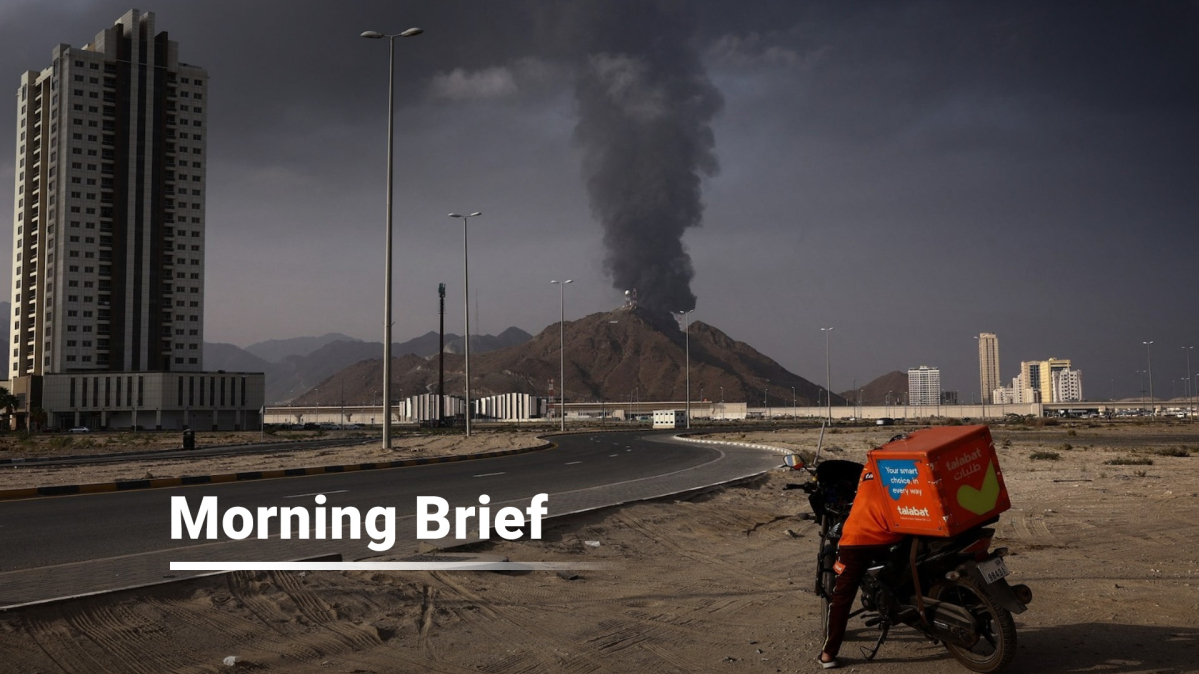
The escalating conflict between the U.S., Israel, and Iran is causing widespread disruption across the Middle East, with Washington officially confirming its first military casualties. Four American army reservists were killed when an Iranian drone struck an unfortified military facility in Port Shuaiba, Kuwait, prompting warnings from the Trump administration of further losses. Thousands of civilians remain stranded amid grounded Gulf flights, whilst international powers, including China and Türkiye, are urgently calling for diplomatic negotiations to halt the widening war.
Lebanon escalation leaves dozens dead and thousands displaced
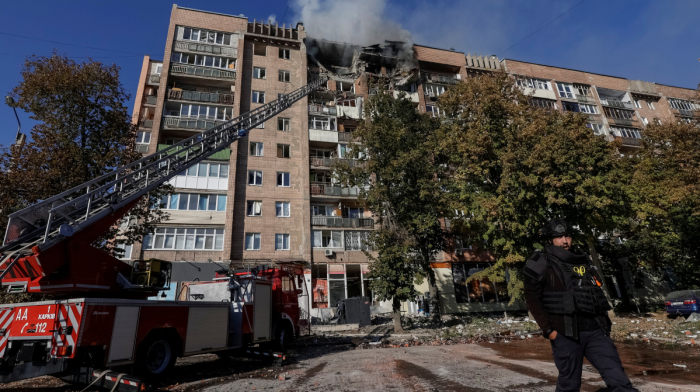
Hostilities have sharply escalated along the Lebanese-Israeli border, with an Israeli airstrike on a residential building in Baalbek leaving at least four dead and six wounded as rescue workers scramble through the rubble. The strike follows a wave of Hezbollah rocket attacks on northern Israel, launched in retaliation for the weekend's joint U.S.-Israeli airstrikes and the killing of Iran's supreme leader. The Israeli military has ordered the evacuation of 16 Lebanese villages and deployed additional forces into southern Lebanon, displacing an estimated 30,000 civilians so far.
Pentagon: Iran has launched more than 2,000 drones in Middle East so far
The sheer scale of the regional warfare continues to expand, with the U.S. Central Command reporting that Iran has launched over 500 ballistic missiles and 2,000 drones in retaliation to U.S. and Israeli strikes. During a closed-door briefing, military leaders conceded that more U.S. forces will died, after an assessment that followed the recent deaths of four American army reservists in Port Shuaiba, Kuwait. The soldiers, were killed on Sunday when an Iranian drone struck their facility, which reportedly lacked a fortified roof and failed to trigger any air defence alarms.
UN demands inquiry into deadly strike on Iranian school
The United Nations has demanded a prompt and impartial investigation into an "horrific" airstrike on a girls’ primary school in southern Iran, which Iranian officials claim has cost the lives of more than 100 children. The attack, which occurred in Minab during the first wave of U.S.-Israeli bombardments, has drawn fierce condemnation from Tehran, whose UN ambassador branded the strike an unjustifiable criminal act. Whilst the UN human rights office has not formally attributed blame, U.S. Secretary of State Marco Rubio has maintained that American forces would not deliberately target educational facilities, and Israel has stated it is currently investigating the incident.
UK deploys military assets amid evacuation efforts
The UK government is taking immediate steps to protect its regional interests and citizens. Prime Minister Keir Starmer has ordered the deployment of HMS Dragon and counter-drone helicopters to southern Cyprus to defend the Royal Air Force's Akrotiri base from potential aerial threats. Concurrently, the Foreign Office is coordinating with commercial airlines to increase flight capacity out of Oman, prioritising the rapid evacuation of vulnerable British nationals caught in the crossfire.














What is your opinion on this topic?
Leave the first comment