The Australian government will spend billions to boost national fuel stockpiles and create a permanent, state-owned strategic reserve, Prime Minister Anthony Albanese has announced.
The investment aims to strengthen energy security by lifting Australia’s onshore fuel holdings to at least 50 days’ supply. The plan includes a new government reserve of around 1 billion litres, designed to protect the country from global supply disruptions.
Ending reliance on fragile maritime imports
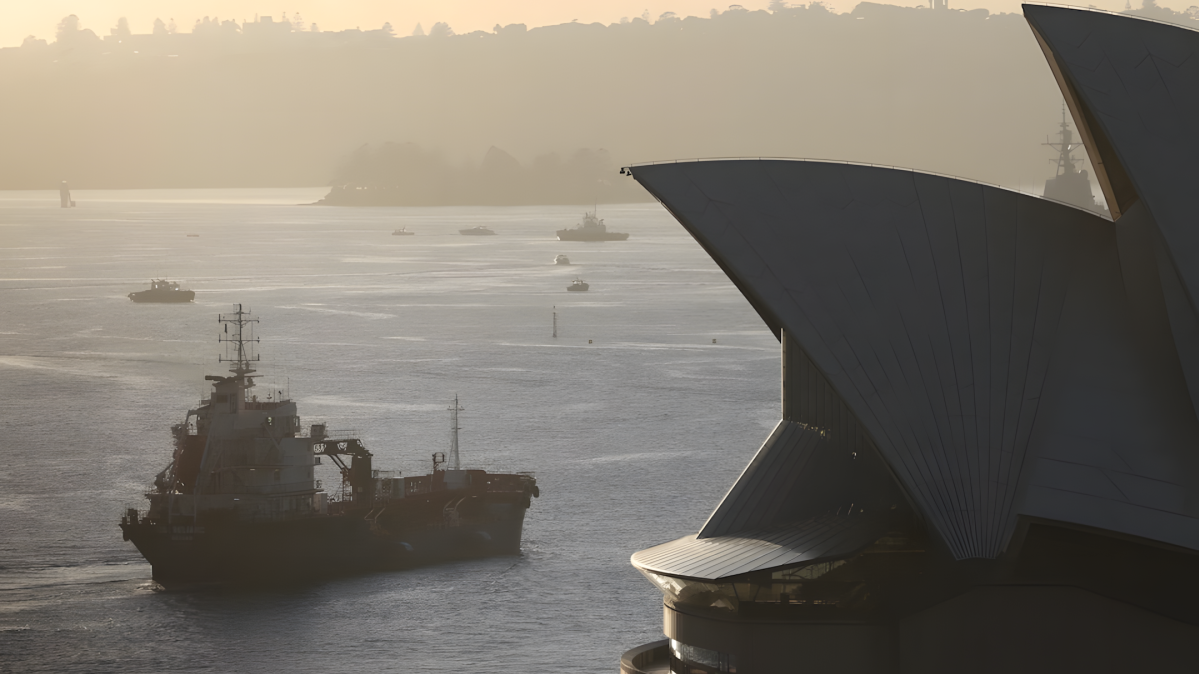
Australia currently imports about 80 per cent of its refined transport and aviation fuel. Recent conflict in the Middle East has disrupted shipping routes, exposing weaknesses in the country’s “just-in-time” supply chain and causing localised shortages.
At present, Australia holds roughly 30 days of fuel reserves, all controlled by private multinational companies. The proposed changes mark a shift towards greater government control.
“The federal budget next week will include an Australian fuel security and resilience package,” Albanese said in Canberra. “This is aimed at making sure Australians can have more confidence in protecting our energy sovereignty not just during this crisis but going forward as well, protecting our nation’s energy interests.”
The government will commit A$3.2 billion to build and fill the reserve, focusing on diesel - critical for mining and transport - and aviation fuel.
“Our fuel security reserve will focus on regional stockouts and supply constraints for essential users in the event of another supply crisis,” Albanese said, highlighting the need to safeguard emergency services and agriculture.
The minimum stockholding obligation for private companies will also rise by 10 days, at an estimated industry cost of A$34.7 million.
Subsidising the broader supply chain
The package also includes A$7.5 billion to support fuel and fertiliser supply chains through loans, equity injections, guarantees, insurance and price support.
Energy Minister Chris Bowen said the move brings Australia in line with other members of the International Energy Agency, most of which already maintain government-owned reserves.
“We will now have a government-owned fuel reserve of around a billion litres to add to those minimum stocks that the private sector must hold,” Bowen said. “This is a big change in our approach as a country and a good one.”
Industry approval meets economic scepticism
Consumer groups have welcomed the policy, including the National Roads and Motorists' Association.
“It now means the Australian government will have a direct stake in storage capacity. Given this issue is critical to our nation’s security, this makes sense,” said NRMA spokesman Peter Khoury.
However, some analysts have raised concerns. Tony Wood of the Grattan Institute questioned how the reserve would operate without distorting market prices.
He argued that increasing private-sector stock requirements would have been more efficient than building state-owned infrastructure.
“The government should not be a participant in the market,” Wood said, warning the move could deter private investment in fuel infrastructure.




















What is your opinion on this topic?
Leave the first comment