EPC summit in Yerevan highlights fragile South Caucasus peace efforts
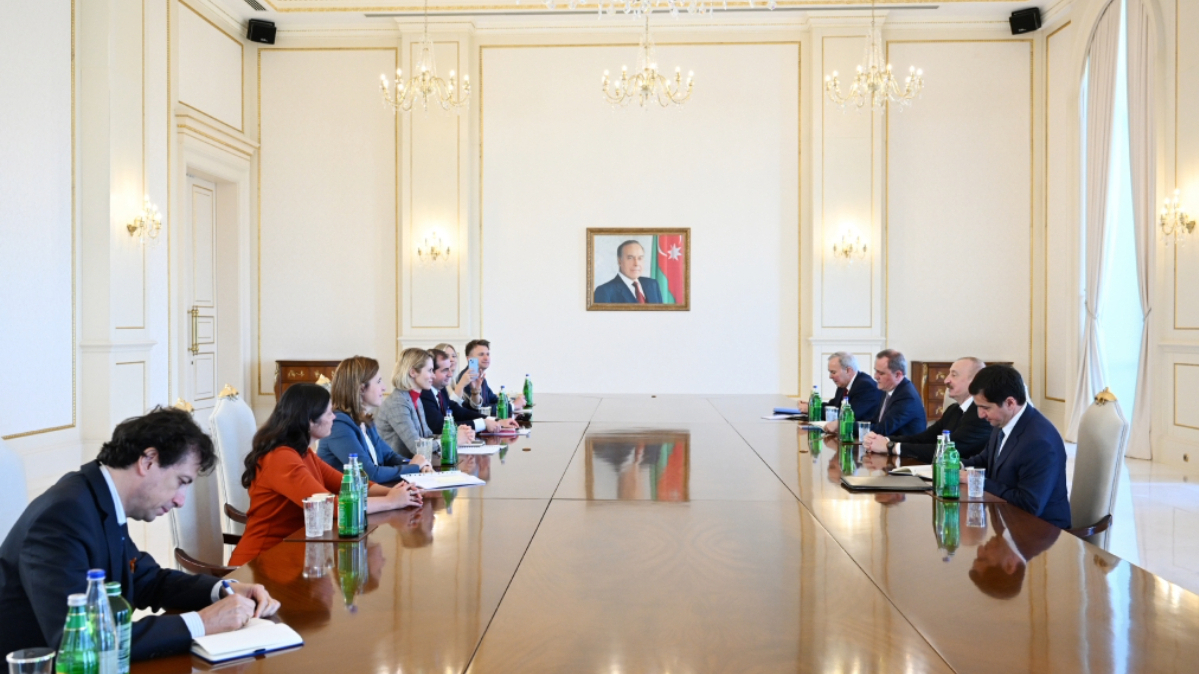
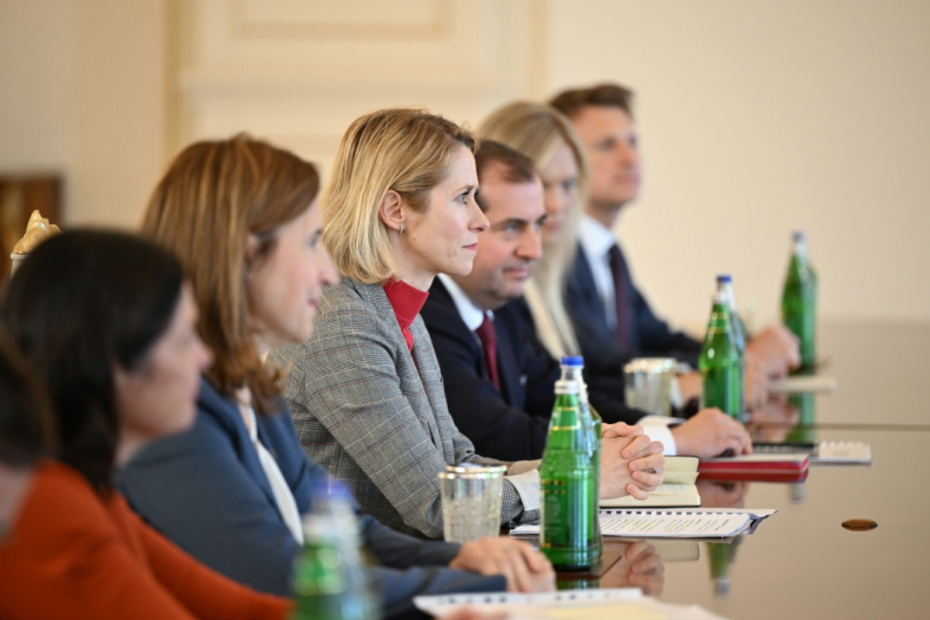
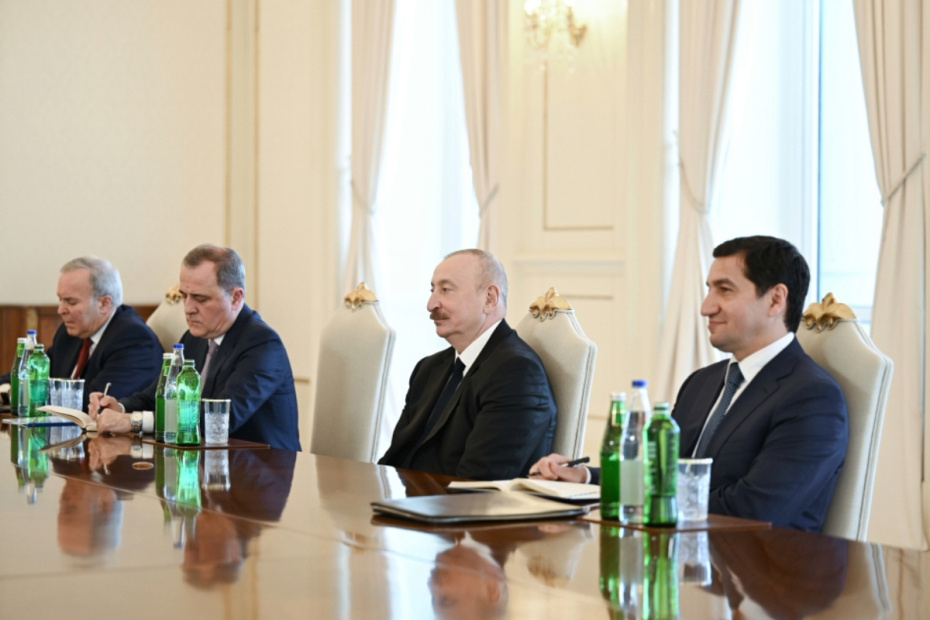
President of Azerbaijan Ilham Aliyev received an EU delegation led by Kaja Kallas, the European Union’s foreign policy chief, in Baku, Azerbaijan, on 5 May 2026.
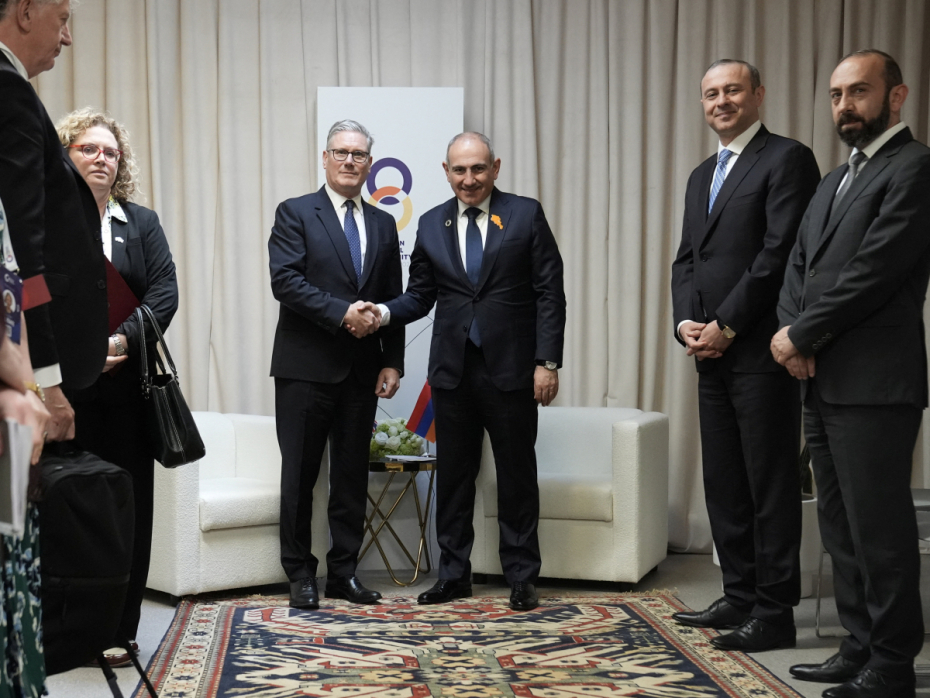
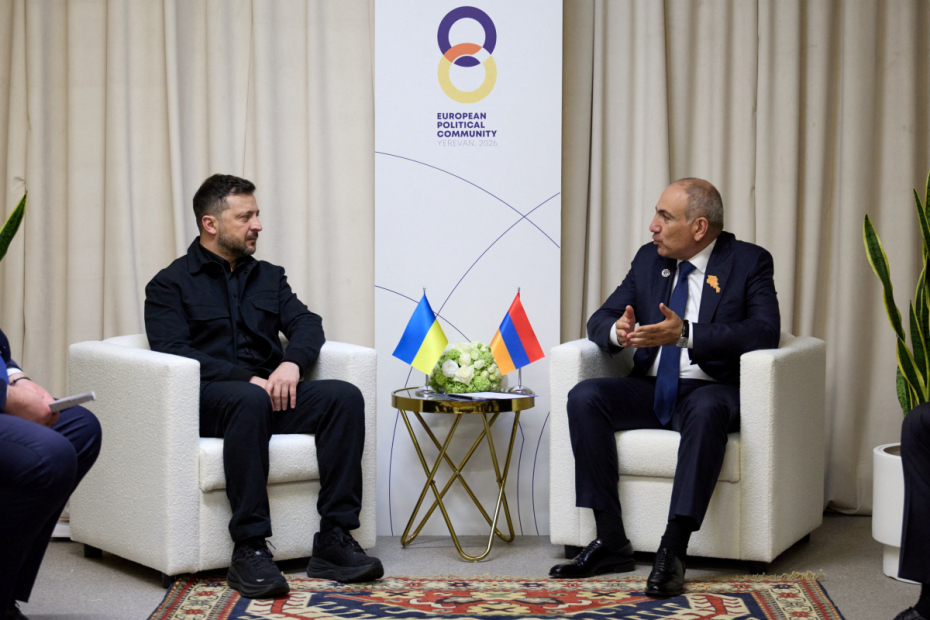
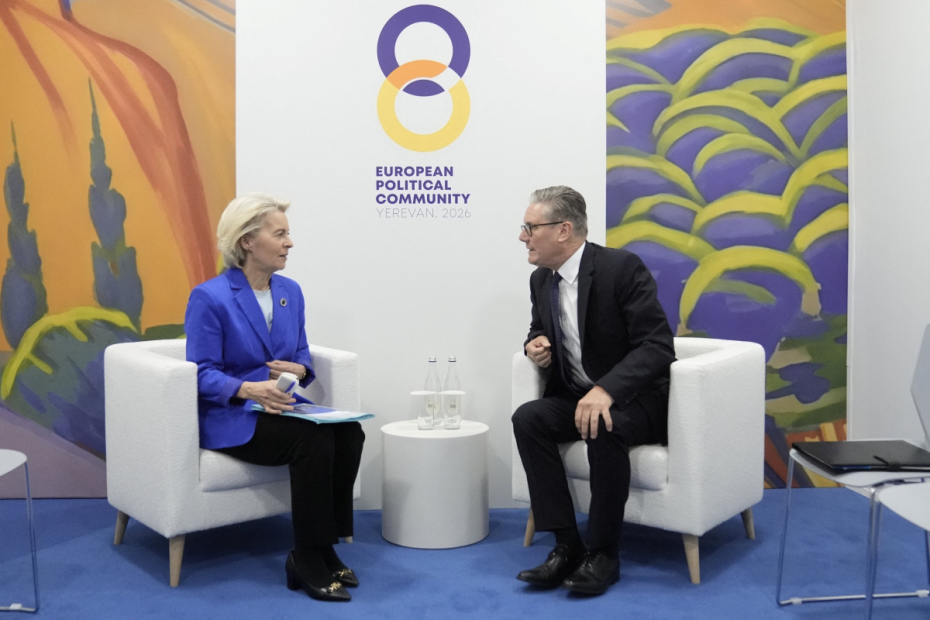
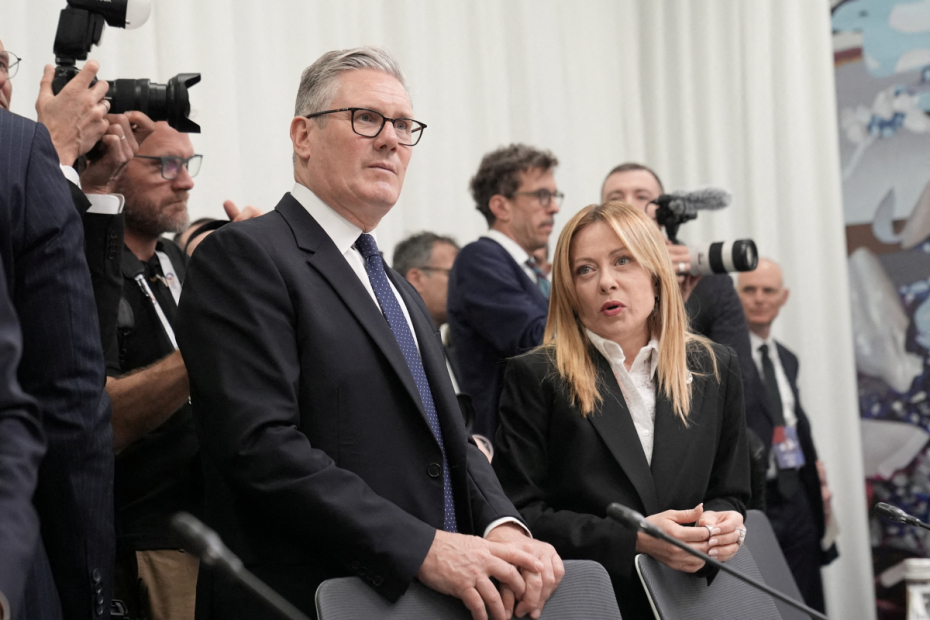
EU foreign policy chief Kaja Kallas’s planned visits to Yerevan and Baku framed the 8th European Political Community summit on 4 May, as European leaders focused on fragile South Caucasus peace efforts and rising geopolitical tensions.
The summit brought together European leaders, NATO officials and international partners.
Discussions centred on broader global security challenges, including the war in Ukraine, instability in the Middle East, and coordination of European defence policy.
Armenian Prime Minister Nikol Pashinyan described the summit as historic. In his opening remarks, he said: “To consider this summit historic for Armenia, not to mention that it is the first European event of this scale ever hosted by Armenia.”
Azerbaijani President Ilham Aliyev said in a video address to the summit that peace between Armenia and Azerbaijan is already delivering practical results, including trade flows and new connectivity projects.
“Both Armenia and Azerbaijan already see the practical benefits of peace,” he said, referring to cargo transit and planned infrastructure initiatives such as the Trump Route for International Peace and Prosperity.
Aliyev also reiterated concerns over international double standards:
“Azerbaijan’s territorial integrity has the same value as that of any other country. In this issue, double standards are unacceptable.”
EU diplomatic outreach
Following the Yerevan discussions, EU foreign policy chief Kaja Kallas was received in Baku by President Ilham Aliyev on 5 May for high-level talks.
Aliyev underlined that the EU remains Azerbaijan’s main trading partner and a key energy security partner, noting that Azerbaijani gas has recently started supplying Germany and Austria.
Kallas highlighted the importance of the joint statement between Aliyev and European Council President António Costa during his visit to Azerbaijan, saying it reflects the strategic nature of EU- Azerbaijan relations and confirms Azerbaijan as an important EU partner.
Separately, Azerbaijani Foreign Minister Jeyhun Bayramov and Kaja Kallas discussed the resumption of negotiations on a new EU-Azerbaijan strategic partnership agreement and the Partnership Priorities document.
Had a productive meeting with @KajaKallas, EU High Representative for Foreign Affairs and Security Policy, Vice President of the European Commission during her visit to Azerbaijan.
We discussed the broad agenda of 🇦🇿–🇪🇺 cooperation, including energy security, trade,… pic.twitter.com/DHWc4Tvmk6
— Jeyhun Bayramov (@Bayramov_Jeyhun) May 5, 2026
EU-Azerbaijan relations and regional dynamics
Speaking to AnewZ, Elmira Talybzadeh, Political analyst in Caucasus Policy Analysis Centre (CPAC) said the renewed engagement signals a broader shift in EU-Azerbaijan relations.
She stated that Azerbaijan’s role goes beyond energy supply, stressing its importance as a transport and logistics hub in emerging regional routes:
“For several countries in the Southern and Eastern Europe, Azerbaijan gas already covers a significant part of their needs… So when we talk about energy security today, I think we have a very large part of that stability directly linked to Azerbaijan.”
Commenting on energy cooperation, she pointed to rising gas exports to Europe:
“In 2021, exports to Europe was around 8 billion cubic metres. By 2023, this figure reached about 12 billion cubic metres. And there are plans to increase it at least to 20 billion cubic metres by 2027.”
Insights on regional diplomacy and peace process
Advisor at the Center of Analysis of International Relations, Huseyn Sultanli, told AnewZ the Yerevan summit marks a turning point for the region, stressing its political and symbolic importance for the South Caucasus.
On the peace process, he said there is a noticeable shift in EU messaging:
“We are seeing more mentions of the normalisation process between Azerbaijan and Armenia from the EU… I think it's positive that the EU is now openly and consistently referring to the normalisation process.”
He also highlighted practical cooperation between Azerbaijan and Armenia as a key trust-building factor, while stressing that “work remains to be done on the normalisation process,” including the signing of a peace treaty.
Regional tensions and diplomacy
Despite ongoing dialogue, tensions between Baku and European institutions persist.
Azerbaijan strongly rejected a recent European Parliament resolution, with Assistant to the President Hikmat Hajiyev calling it a “diplomatic disgrace.”
The country also summoned the EU ambassador, accusing the resolution of bias and interference in internal affairs.
Analysts say the South Caucasus peace process is entering a sensitive phase shaped by negotiations, external influence and domestic political developments in Armenia, including upcoming elections.
While challenges remain, the overall trajectory is cautiously viewed as moving towards normalisation, supported by continued dialogue between Baku and Yerevan and increased international engagement.
Azerbaijan’s growing international engagement
Following visits by the Latvian and Ukrainian presidents and the Czech prime minister, Baku has attracted increased diplomatic attention amid wider geopolitical shifts linked to the war in Eastern Europe and instability in the Middle East.
Separately, Azerbaijan and Italy reaffirmed strong bilateral ties during high-level talks held in Baku on 4 May.
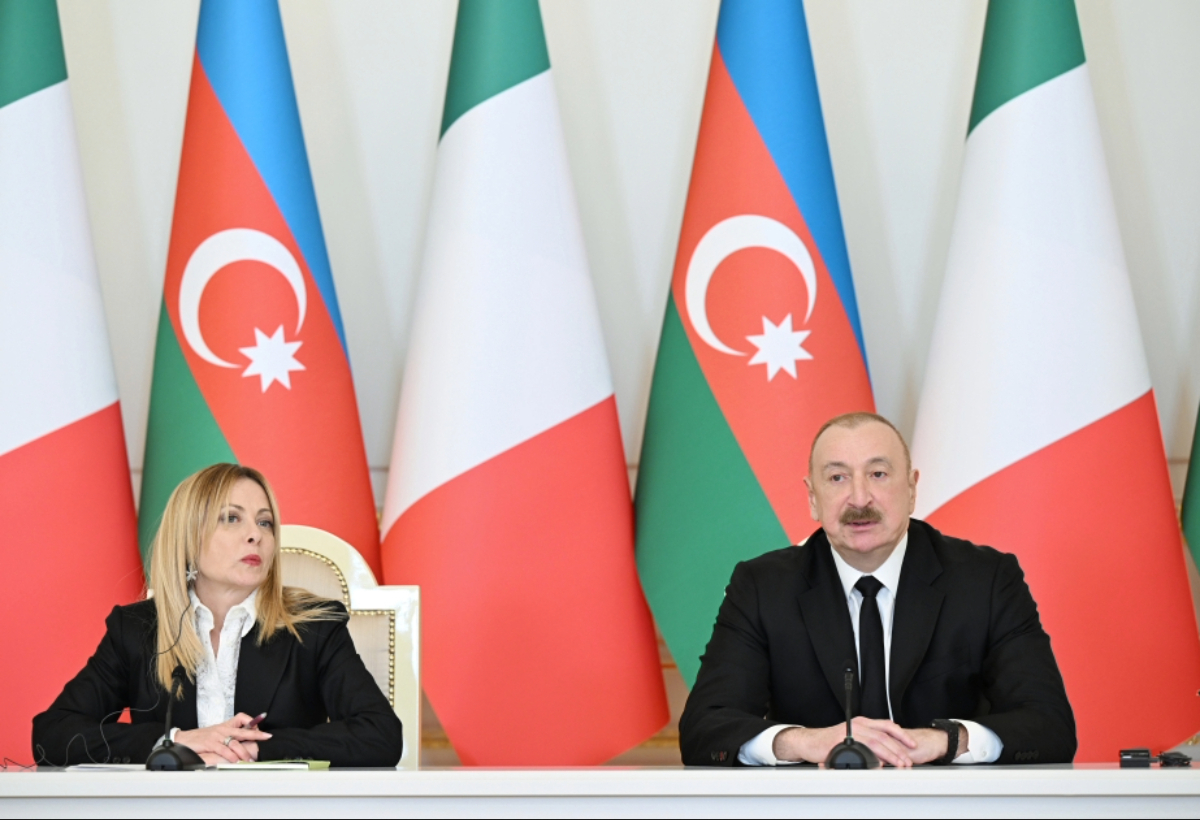
President of Azerbaijan Ilham Aliyev and President of the Council of Ministers of Italy Giorgia Meloni delivered press statements, in Baku, Azerbaijan, on 4 May, 2026.
Reuters
Ilham Aliyev held both one-on-one and expanded talks with Italian Prime Minister Giorgia Meloni, with both sides highlighting deepening cooperation.
Energy cooperation continues to play a central role, with 9.5 billion cubic metres of gas exported to Italy last year out of a total of 25 billion cubic metres. Italian officials emphasised the strategic importance of the visit.
A Baku per rafforzare una partnership strategica che per l’Italia ha un valore concreto e di lungo periodo.
Con l’Azerbaigian vogliamo consolidare una cooperazione già molto importante su energia, sicurezza, connettività, investimenti e dialogo politico, trasformandola sempre di… pic.twitter.com/2yXmRiOdHa
— Giorgia Meloni (@GiorgiaMeloni) May 5, 2026
"Our political relations are at the highest level. At the same time, our trade relations are also in excellent condition," said Ilham Aliyev.
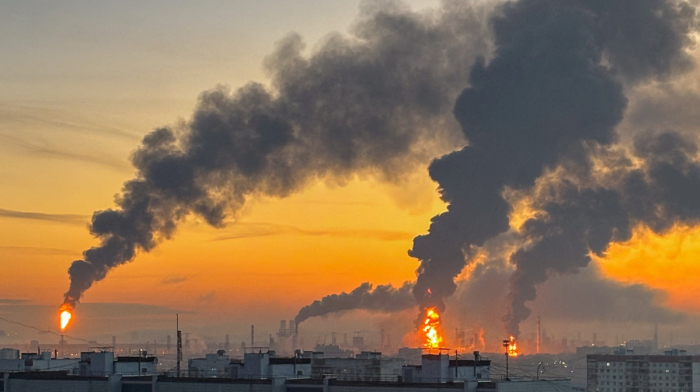
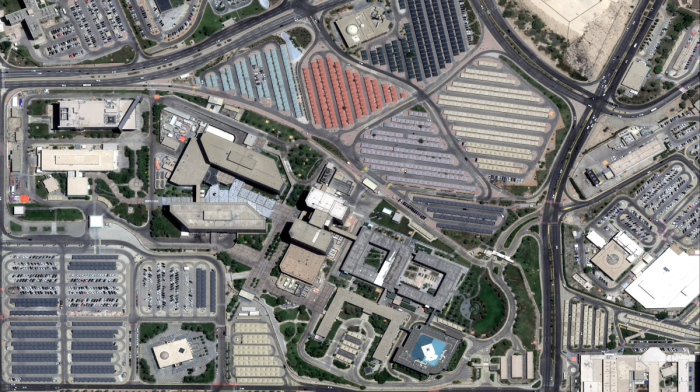
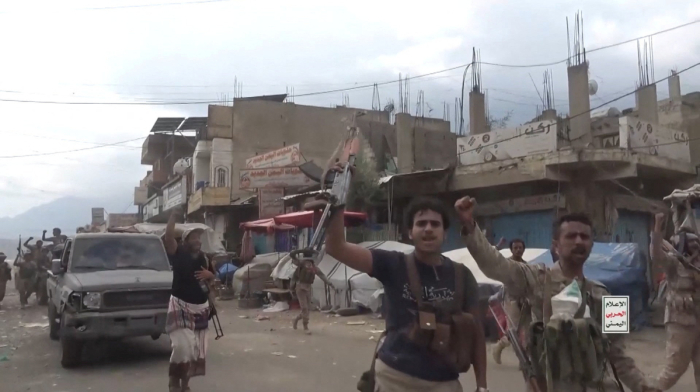
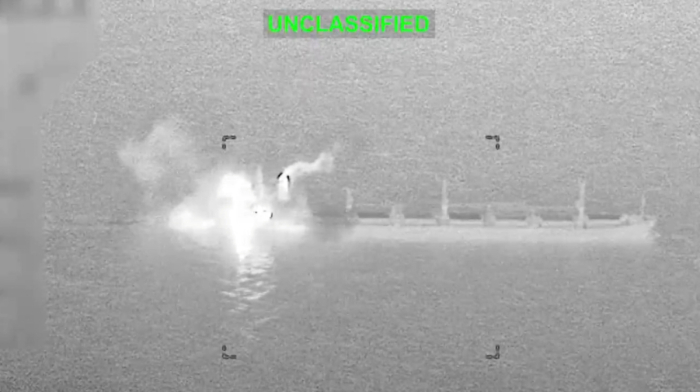
Yemen’s Houthis have claimed responsibility for the recent drone and missile strikes on Saudi Aramco facilities in Dhahran and Riyadh and at King Khalid International Airport in Saudi Arabia, vowing to carry out more attacks in the coming days.
The Saudi-led coalition in Yemen said late Monday that it intercepted and destroyed two ballistic missiles launched by the Houthi group toward Khamis Mushait in southwestern Saudi Arabia.
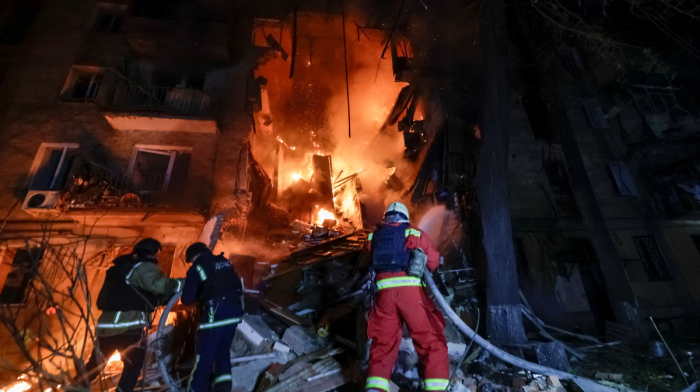
Ukrainian President Volodymyr Zelenskyy says Russia hit at least six energy targets in deadly strikes across Ukraine, showing Moscow is unwilling to accept the energy ceasefire announced by U.S. President Donald Trump.
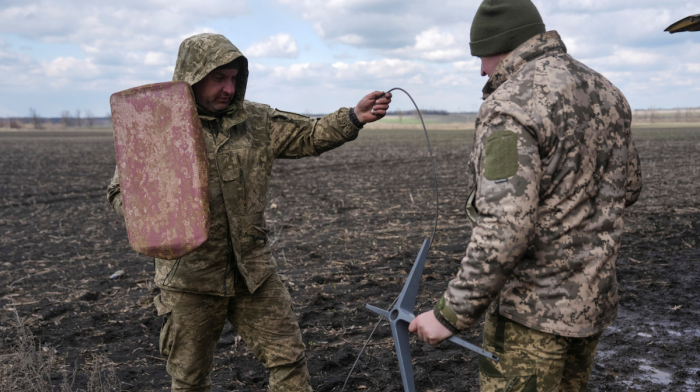
Ukraine's soldiers have had their access to Starlink satellite internet restricted. Kyiv's troops use the terminals, made by Elon Musk's SpaceX, to pilot drones. A source in Ukraine's Defence Ministry said the restrictions would make it harder for Kyiv's army to down Russian drones.
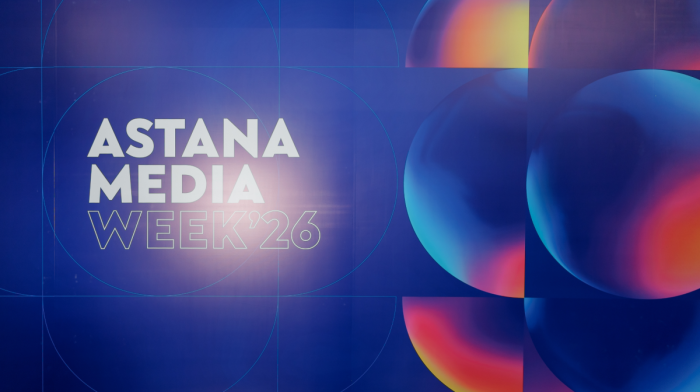
Kazakhstan is considering new rules governing the use of artificial intelligence in newsrooms, including requirements to label AI-generated content. The proposal was discussed at the tenth Astana Media Week, which also focused on digital threats and children's online safety.
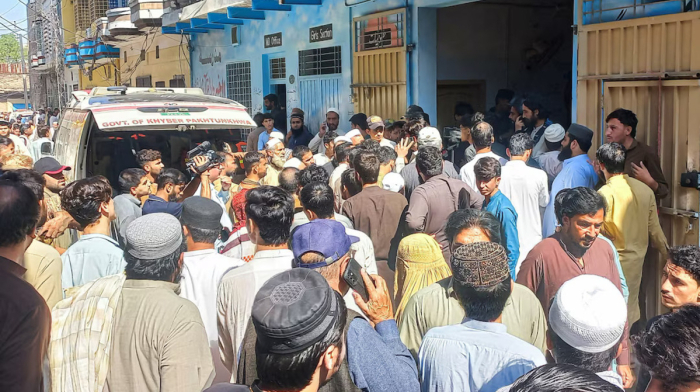
At least 32 children and one teacher were killed when a school roof collapsed during classes in Pakistan’s northwestern city of Peshawar on Thursday (15 October). Twenty others were injured, while authorities warned the death toll could rise as rescue operations continued.
Georgia is seeking closer economic ties with the United Arab Emirates (UAE) as it looks to strengthen its position as a key trade link between Central Asia and Europe amid growing competition over transport routes connecting the two regions.
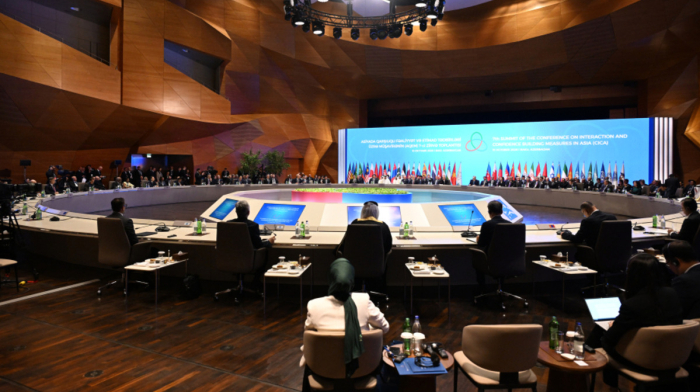
Azerbaijan's chairmanship of the Conference on Interaction and Confidence Building Measures in Asia (CICA) has been extended until 2028, as leaders gather in Baku for the organisation's seventh summit to discuss regional security and cooperation.
Download the AnewZ app
You can download the AnewZ application from Play Store and the App Store.











What is your opinion on this topic?
Leave the first comment