




11:16 CET
Nuclear security
Georgia arrests man over attempted $700,000 uranium sale
Georgia has detained a man ...
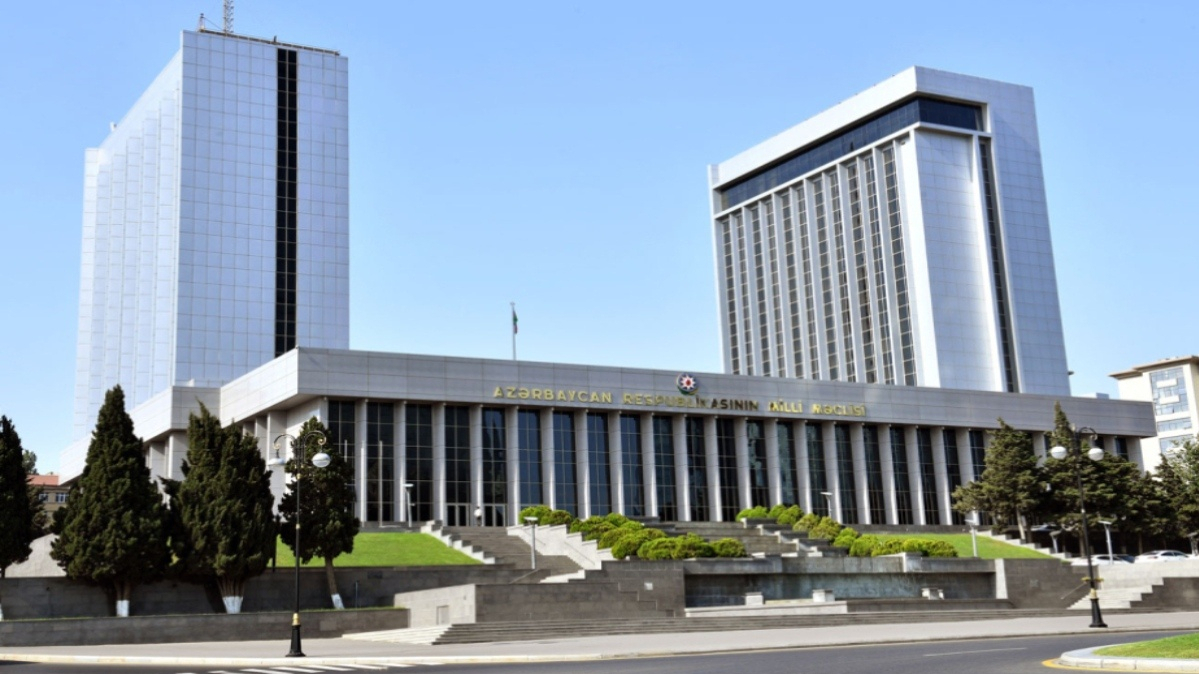


The Milli Majlis Temporary Commission on Foreign Interference and Hybrid Threats has issued a statement warning of what it describes as an information campaign by pro-Armenian groups targeting Azerbaijan and the Armenia–Azerbaijan peace process.
The statement, released on Saturday (2 May), sets out the commission’s findings following what it describes as recent monitoring and analysis.
The Azerbaijan State News Agency published the full statement, which reads:
During monitoring conducted within its mandate, the Milli Majlis Temporary Commission on Foreign Interference and Hybrid Threats (the Commission) has observed a disinformation campaign in recent days targeting Azerbaijan, as well as the peace agenda between Armenia and Azerbaijan.
Investigations have determined that this campaign is being conducted in a targeted and unified manner by Armenian lobby organisations operating in various countries, foreign citizens holding certain influence and positions, and media outlets.
Adopting a different tactic this time, Armenian lobby organisations have centred their smear campaign around creating hype concerning several issues, including the so‑called ‘genocide,’ ‘prisoners of war,’ and buildings in the city of Khankendi. At the same time, to avoid the appearance of a coordinated campaign, facts have been uncovered indicating that talking points were distributed to participants via private channels, email, and encrypted messaging platforms.
Armenian lobby organisations based in the US, Europe, and Russia have stood out for their particular activity in this campaign.
An analysis of the campaign on the ‘X’ (formerly Twitter) social media platform over the past week shows that more than 220 posts were made through 130 different accounts, recording nearly one million total interactions. These posts were primarily made from the accounts of bloggers of Armenian origin, Armenian news sites, and pro‑Armenian foreign bloggers and activists.
Additionally, articles based on similar talking points appeared in several less‑prominent online media outlets located in the United States, the United Kingdom, Belgium, Poland, Italy, Mexico, Spain, Georgia, Israel, Vatican City, Greece, India, Russia, Armenia, and other countries.
The facts established by the Commission once again demonstrate that these circles, who prioritise personal goals and once reaped high dividends from the conflict, are using all available means, including their proxies in foreign parliaments, certain city mayors, and current or former officials, to strike a blow to the fragile peace process between Armenia and Azerbaijan and to harm interstate relations.”

Georgia has detained a man ...
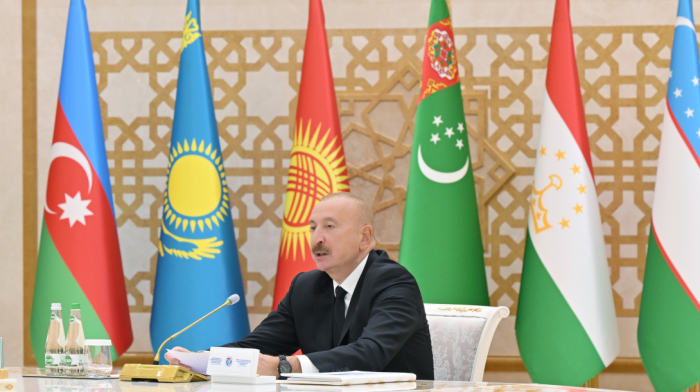
Azerbaijan and the five Central Asian states have signed two key documents at the 8th Consultative Meeting of Heads of State in Turkmenbashi, forma...
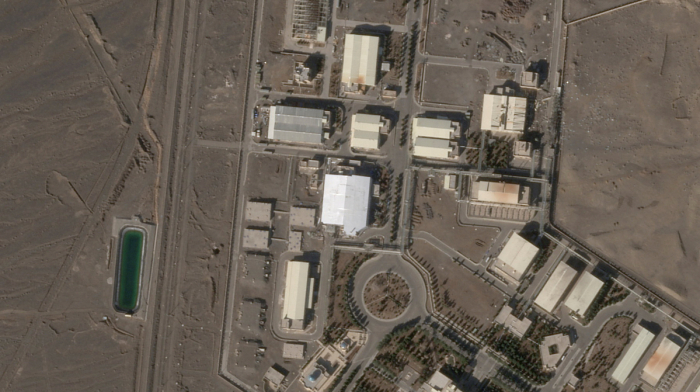
U.S. Vice President JD Vance told Reuters on Monday (5 October) that ...

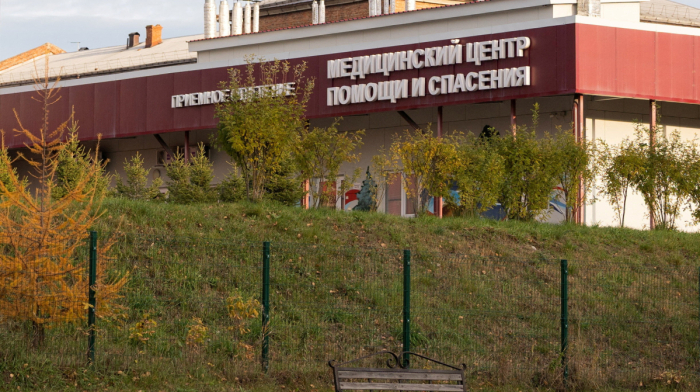
Russia's health watchdog said on Tuesday that no cases of plague had been detected among anyone who had come into contact with a Siberian plague institute laboratory worker who died last week, and locals said their lives had barely been disrupted.
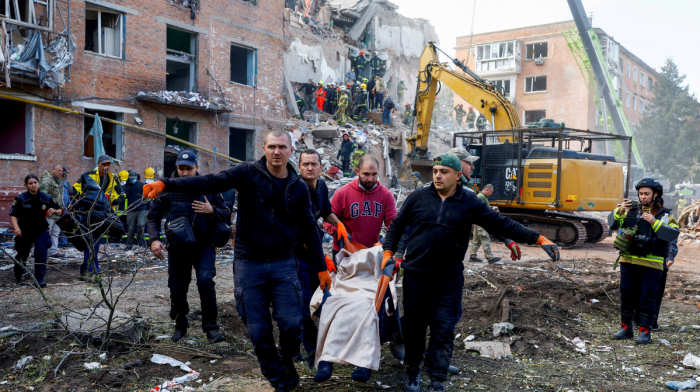
Russia struck Ukraine overnight in one of the biggest attacks of the conflict, killing at least 19 people, Kyiv's Foreign Ministry said on Wednesday. Around 70 missiles were fired at Ukraine during the attack, as well as drones, the Ministry said.
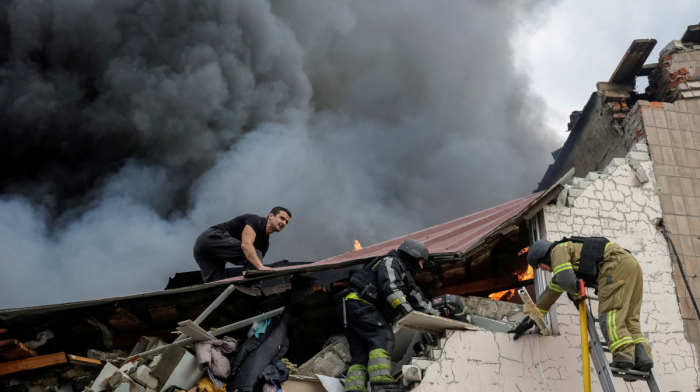
A large Ukrainian drone attack on Moscow and the surrounding region has killed two people, damaged homes and sparked a major fire at a key fuel facility, according to Russian officials and military bloggers.
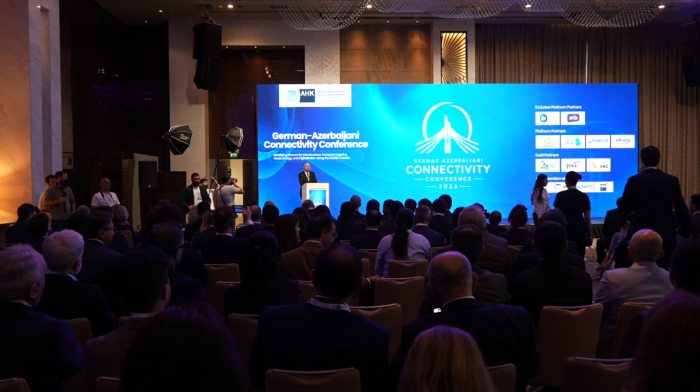
The German-Azerbaijani Connectivity Conference 2026 commenced on 6 October in Baku under the title “Mobilising Finance for Infrastructure, Transport, Logistics, Green Energy, and Digitalisation along the Middle Corridor.”
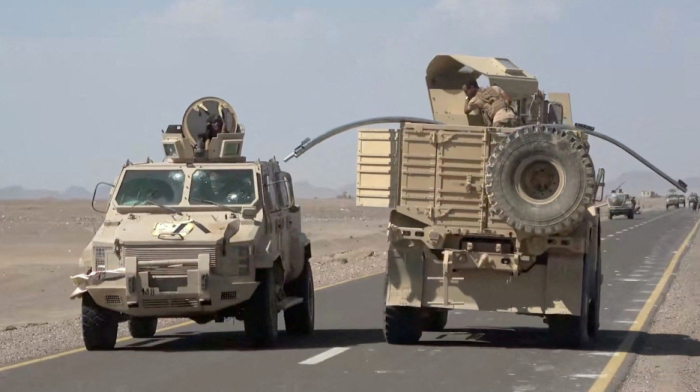
The Saudi-led coalition says it has carried out a series of military operations against Houthi targets in Yemen after attacks on two Saudi airports left three people dead and dozens injured.
Georgia has detained a man who planned to sell uranium-238 to a foreign national for $700,000, the national security service said on Wednesday.
Azerbaijan and the five Central Asian states have signed two key documents at the 8th Consultative Meeting of Heads of State in Turkmenbashi, formalising a broader framework for regional cooperation in transport, trade, energy, digitalisation and security.
U.S. Vice President JD Vance told Reuters on Monday (5 October) that Iran must make a “meaningful” reduction in its uranium enrichment capacity to satisfy U.S. demands and end the countries' seven-month war.
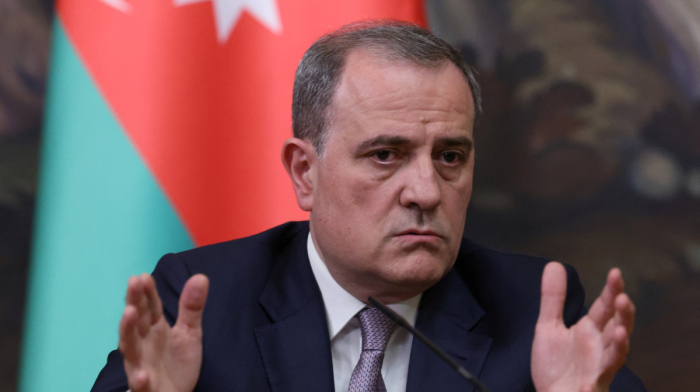
Azerbaijan’s Foreign Minister Jeyhun Bayramov has called for further integration of infrastructure between regional countries to bolster the Middle Corridor trade and logistics network.
The Saudi-led coalition says it has carried out a series of military operations against Houthi targets in Yemen after attacks on two Saudi airports left three people dead and dozens injured.
You can download the AnewZ application from Play Store and the App Store.




What is your opinion on this topic?
Leave the first comment