The global race to develop quantum computing is accelerating, with governments and technology firms investing heavily in what is expected to become a major new computing era.
Speaking to AnewZ's Guy Shone, the Chairman and Chief Executive Officer of IonQ, Niccolo de Masi highlighted Azerbaijan as one of the regions where quantum technologies could support future economic and industrial development.
“For your nation of course, we see tremendous opportunities,” he said.
He added that quantum technologies could be particularly relevant for resource-rich and strategically located economies like Azerbaijan.
“We see opportunities from everything ranging from oil and gas sectors to shipping logistics, to agriculture,” Niccolo de Masi noted.
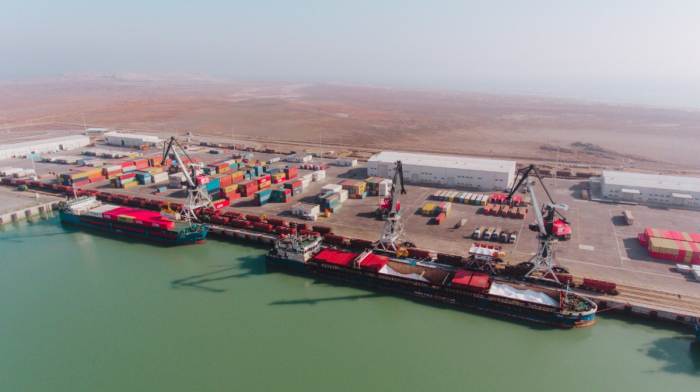
The CEO also pointed to infrastructure and transport efficiency as key areas of application, saying quantum systems could help with route optimisations in major trade corridors.
Azerbaijan sits at the centre of the Middle Corridor (Trans-Caspian International Transport Route), which connects China and Central Asia with Europe via the Caspian Sea, the South Caucasus and Türkiye.
The route has gained importance as companies look for alternatives to northern freight routes. This makes logistics and supply chain efficiency a key area where advanced computing tools like quantum systems could potentially be applied.
Future of tech
He said quantum computing is increasingly being developed as governments seek greater control over advanced computing capabilities.
“I completely agree that we are in the era of sovereign systems and sovereign supply chains,” he said, adding that both governments and companies are prioritising control over computing tasks, experimentation and research.
He added that quantum computing is expected to play a role alongside artificial intelligence in solving large-scale industrial and scientific problems that are beyond the reach of traditional systems.
Competition intensifies
The CEO said companies and states are prioritising early access to quantum systems to maintain competitive advantage, particularly in sectors requiring large-scale computation and secure data infrastructure.
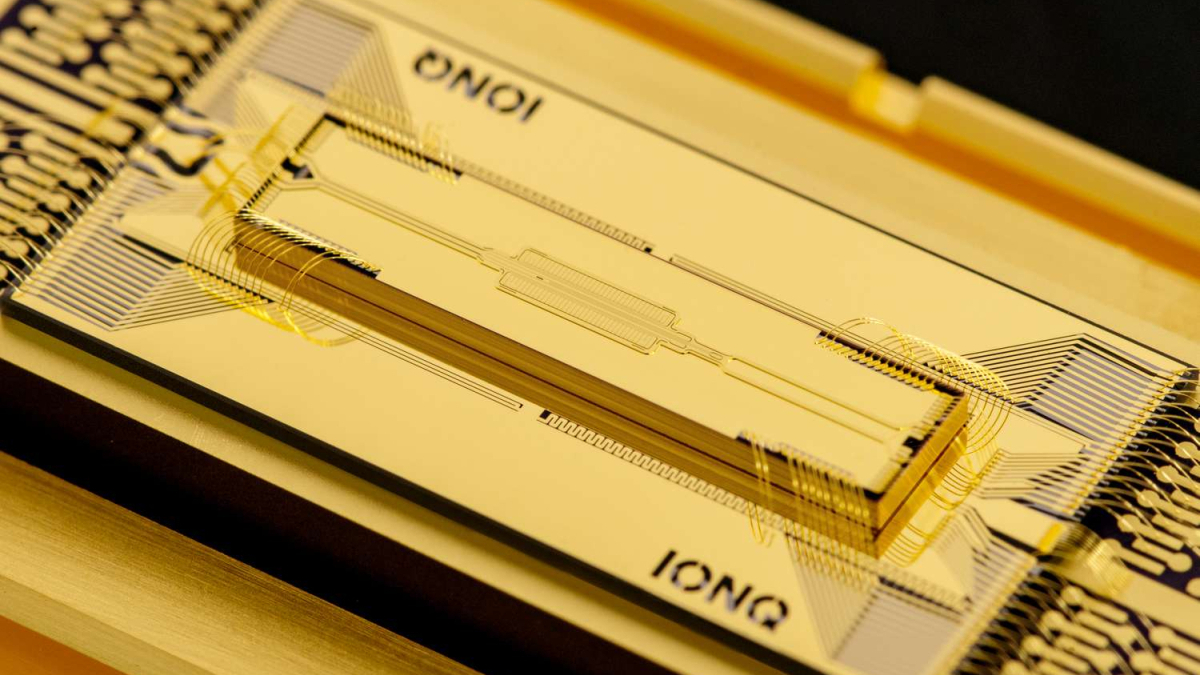
He also pointed to advances in trapped-ion quantum architectures. IonQ argues offer scalability and stability advantages over other approaches, though the broader industry remains in an experimental and competitive phase.
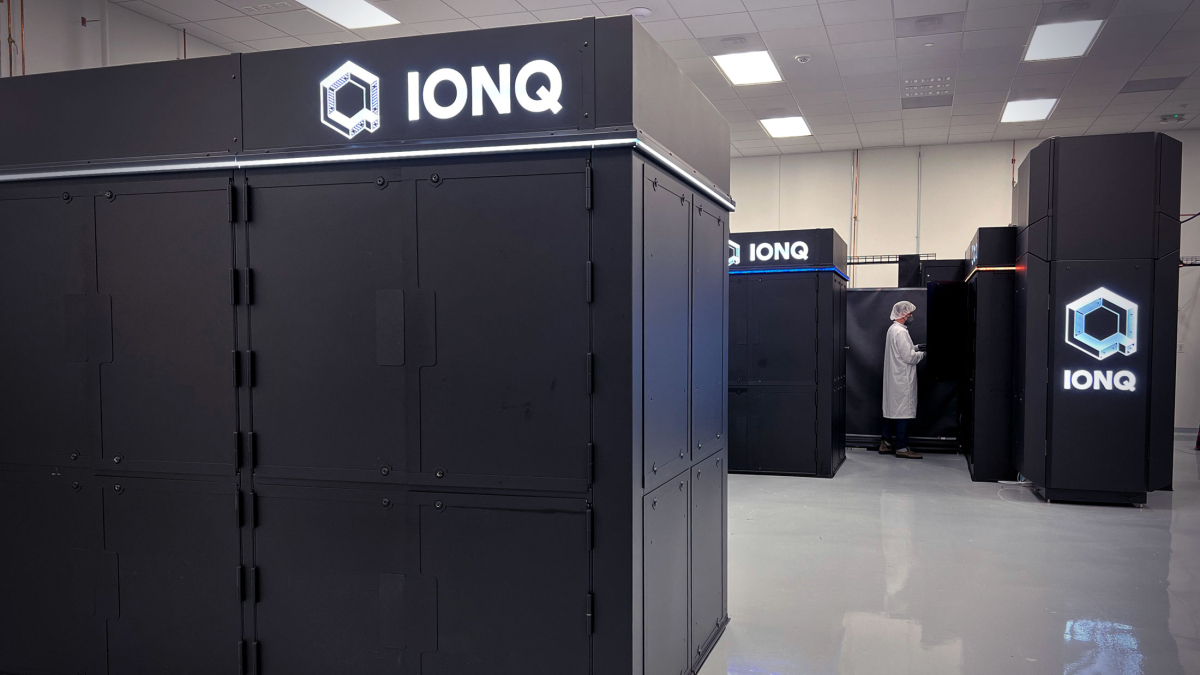
The IonQ CEO said the company is focusing on expanding both quantum computing and adjacent technologies such as quantum networking, cybersecurity and sensing.
He argued that these systems could help solve complex optimisation problems in areas such as energy grids, defence communications and supply chain logistics.
Industry estimates cited in the interview suggest the global quantum sector could reach nearly $100 billion by 2035, driven by public and private investment.






















What is your opinion on this topic?
Leave the first comment