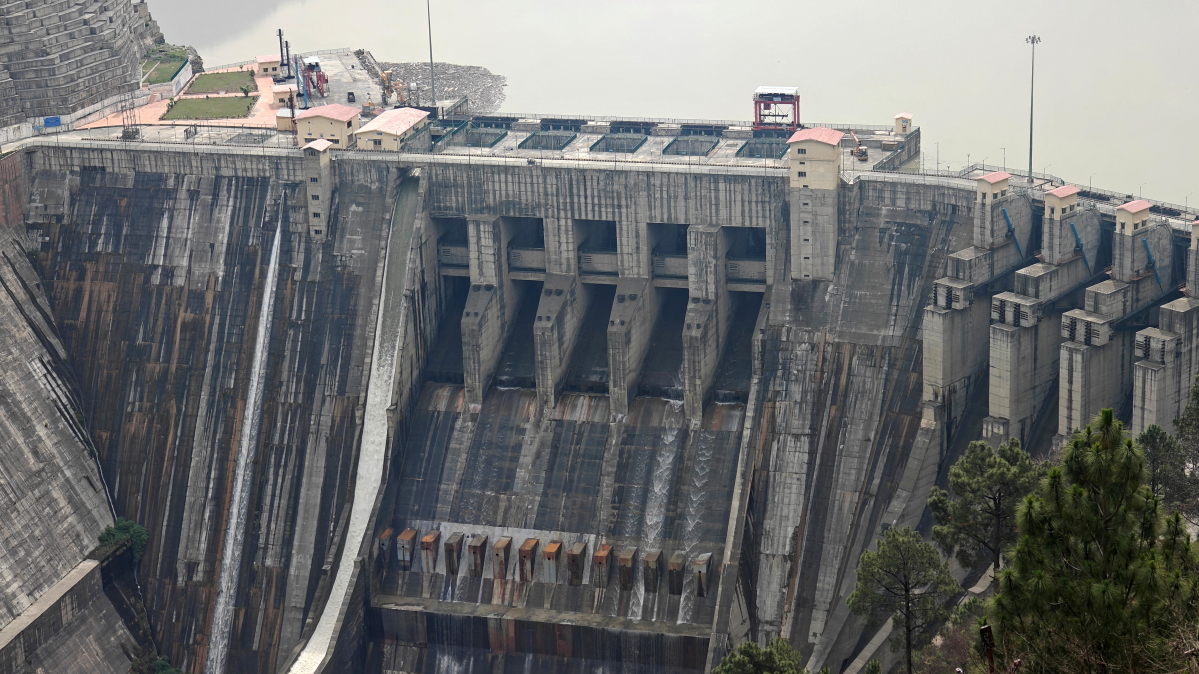
Pakistan has warned that any attempt by India to block or significantly reduce river flows under the Indus Waters Treaty could have “far-reaching consequences”, after India's water minister said New Delhi was working to ensure that “not a single drop” of water reaches Pakistan in the coming years.
The warning marks the latest escalation in tensions between the nuclear-armed neighbours, whose relations have remained strained since a brief but intense military confrontation in May 2025 and the subsequent suspension of the Indus Waters Treaty.
Speaking at a weekly media briefing, Pakistan Foreign Office spokesperson Tahir Andrabi said any deliberate attempt to deprive Pakistan of water essential for its survival, agriculture and economic development would be viewed with the utmost seriousness.
“Pakistan firmly rejects any notion that water can be used as a political weapon or instrument of coercion,” Andrabi said, warning that such a move could threaten regional peace and security.
India signals tougher stance on Indus Waters
The latest dispute follows remarks by Indian Water Resources Minister C.R. Patil, who said New Delhi was actively implementing plans to prevent water from flowing into Pakistan after India placed the Indus Waters Treaty in abeyance. Patil said the effort was being carried out under directives from Prime Minister Narendra Modi.
India suspended participation in the treaty following the April 2025 attack in Pahalgam in Indian-administered Kashmir, which New Delhi blamed on Pakistan. Islamabad denied involvement and rejected the allegations. Since then, the treaty has remained suspended despite a ceasefire that halted military hostilities.
What is the Indus Waters treaty?
Brokered by the World Bank and signed in 1960, the Indus Waters Treaty governs the sharing of water from six rivers in the Indus basin between India and Pakistan.
The agreement allocates the three western rivers — the Indus, Jhelum and Chenab — primarily to Pakistan, while granting India rights over the eastern rivers. For more than six decades, the treaty survived wars, diplomatic crises and military standoffs, making it one of the world's most enduring water-sharing agreements.
The river system is critical to Pakistan's economy. More than 90 per cent of the country's food production depends on irrigation from the Indus basin, while millions rely on the rivers for drinking water and hydropower generation.
Water emerging as a new front in India-Pakistan rivalry
The latest dispute comes after the two countries engaged in their worst military confrontation in years in May 2025. The fighting involved missiles, drones, and air strikes before a ceasefire was reached. However, key punitive measures adopted by both sides, including India's suspension of the Indus Waters Treaty, remained in place.
Analysts say water security is increasingly becoming a strategic dimension of the broader India-Pakistan rivalry, alongside longstanding disputes over Kashmir and cross-border militancy.
Potential consequences for Pakistan
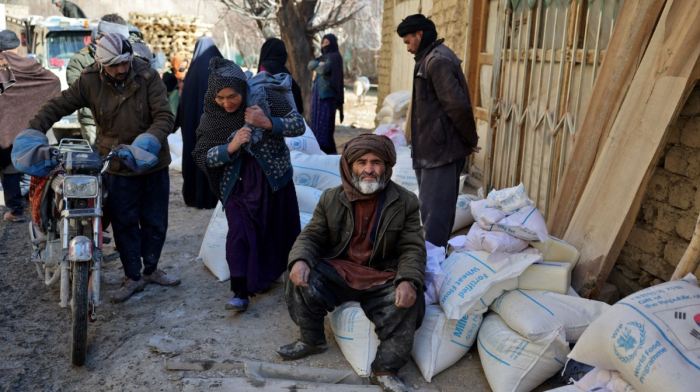
Experts warn that any sustained reduction in water availability could have serious consequences for Pakistan's agriculture, food security and energy sector.
Pakistan is among the world's most water-stressed countries, and the Indus basin supports the majority of its agricultural production. Reduced river flows could affect crop yields, rural livelihoods and hydropower generation, increasing economic pressures at a time when the country is already facing climate-related challenges.
Islamabad has repeatedly maintained that unilateral efforts to alter treaty obligations violate international law and threaten regional stability. Pakistani officials say the country is prepared to pursue diplomatic and legal avenues to safeguard its water rights.
With tensions once again rising, the future of the Indus Waters Treaty has become increasingly uncertain, raising concerns that water could emerge as the next major flashpoint in South Asia.


















What is your opinion on this topic?
Leave the first comment