UK Defence Minister resigns in spat with British Prime Minister Keir Starmer over budget
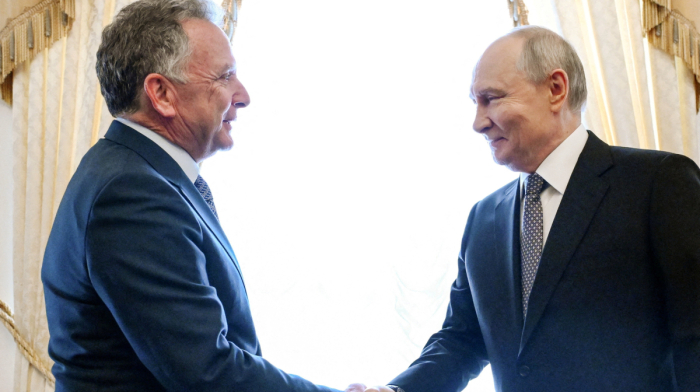
British Defence Minister John Healey has resigned from UK Prime Minister Keir Starmer’s government over a disagreement about defence spending. ...
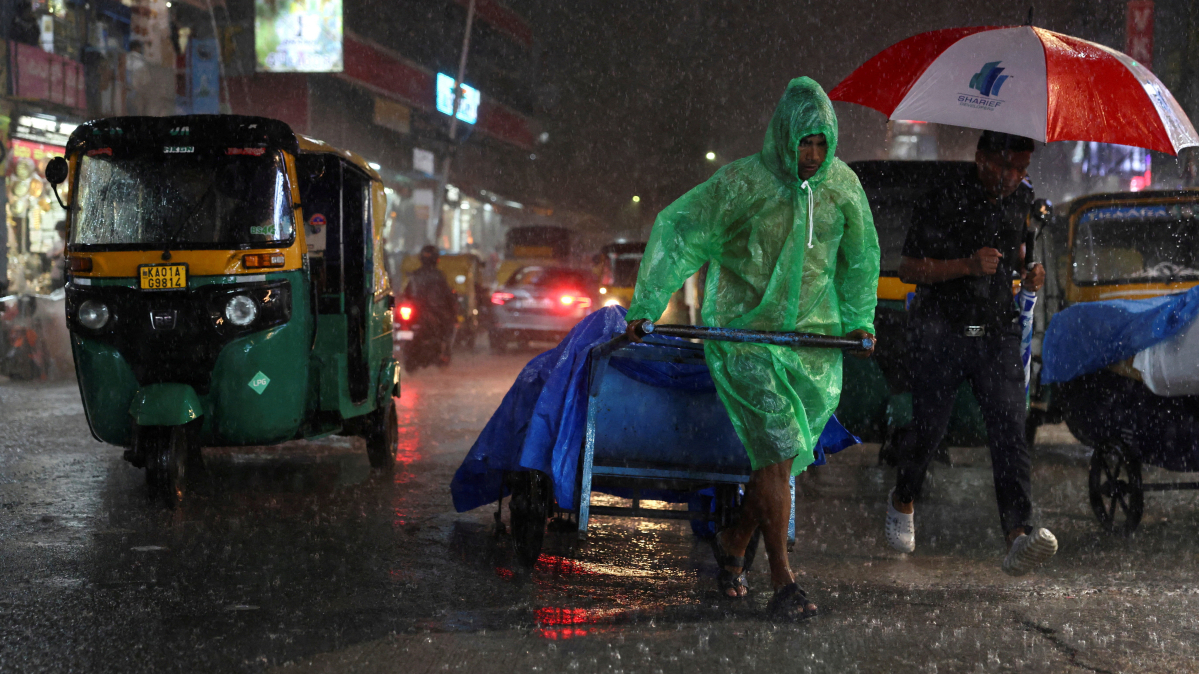
India is expected to receive below-average rainfall over the next two weeks, particularly across central and northern regions, as weather systems known as western disturbances slow the advance of the annual monsoon, senior weather officials said.
Western disturbances, which originate over the Mediterranean region, typically bring rain and snow to northern India during the winter months. However, they can also disrupt monsoon patterns when they interact with seasonal weather systems.
Officials from the India Meteorological Department said the current slowdown could delay the monsoon's progression into central India, although conditions are expected to improve later in June.
The monsoon season, which delivers around 70% of India's annual rainfall, is critical for agriculture in a country where nearly half of all farmland depends on rainfall rather than irrigation.
Delays in precipitation could affect planting schedules for key summer crops, including rice, cotton, soybeans and pulses.
Central and northern states are expected to receive significantly below-normal rainfall over the next two weeks, while southern regions, including Kerala, Tamil Nadu and parts of Karnataka, are likely to continue experiencing relatively favourable conditions.
Officials noted that the monsoon was already slightly delayed at its onset over Kerala this year, arriving a few days later than usual.
During the first 10 days of June, India recorded rainfall that was around 26.5% below normal, reflecting the early-season slowdown.
However, meteorologists said the monsoon is expected to strengthen towards the end of June, with broader coverage across the country anticipated in early July.
The weather bureau has forecast that India may receive around 90% of its long-period average rainfall during the June-to-September season, with June itself expected to remain slightly below normal.
While analysts said the short-term deficit is unlikely to severely disrupt sowing if July rainfall is strong, they cautioned that the uneven distribution of monsoon rainfall remains a key risk to agricultural output and rural incomes.
Mexico and South Africa meet in Thursday’s World Cup opener in Mexico City, with both teams approaching the match from very different positions but facing their own pressures.
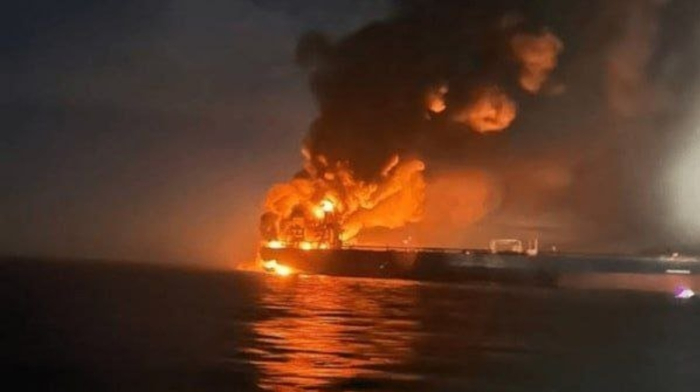
Azerbaijan's Foreign Ministry says 19 citizens have been repatriated following a deadly drone attack on two cargo ships in the Sea of Azov on 5 June.
A Sudanese man has been arrested over a knife attack in Belfast that left a man seriously injured and prompted calls online for a protest after footage of the incident circulated widely on social media.
Iran and Israel said on Monday (8 June) they had halted attacks on each other following an appeal from U.S. President Donald Trump, as Axios reported that Trump had privately told Benjamin Netanyahu “be careful, or you will be on your own very soon”.
Ukraine's military said it struck a Russian "shadow fleet" tanker in the Black Sea as part of ongoing efforts to disrupt Moscow's energy and logistics networks. The move underscores Kyiv's focus on targeting maritime assets it says are used to bypass sanctions on Russian oil exports.
Israel's cabinet is expected to approve a plan on Thursday (11 June) to allocate around one billion shekels ($338 million) for settlement development in the West Bank, according to reports and anti-settlement campaigners.
A prominent Palestinian doctor detained by Israel for more than 500 days appeared by video link before Israel's Supreme Court on Wednesday (10 June), marking the first time he has been seen publicly since February, according to rights groups.
All personnel on board a Pakistani military helicopter were killed when the aircraft crashed near Muzaffarabad in Pakistan-administered Kashmir on Wednesday (10 June), according to the country's military.
The United States launched overnight strikes on military targets across Iran, as President Donald Trump warns of further attacks unless a peace deal is reached. Iran responded by targeting U.S. bases in the Gulf and announced the closure of the Strait of Hormuz.
Türkiye and Syria plan to increase annual bilateral trade to $5 billion within the next two years, officials from both countries said on Tuesday, as they seek to deepen economic ties and support Syria's recovery.
You can download the AnewZ application from Play Store and the App Store.
What is your opinion on this topic?
Leave the first comment