Tajikistan has strengthened its position as one of Central Asia’s fastest-growing economies. According to the European Bank for Reconstruction and Development (EBRD), the trend is supported by investment activity, industrial expansion and large-scale infrastructure projects.
In its 2026 report on economic prospects in the region, the bank noted that investment in fixed assets increased by 34.2% in the first quarter of 2026 compared with the same period last year - one of the highest rates recorded in Central Asia. Industrial production also rose sharply, growing by 29.6% during the first three months of the year.
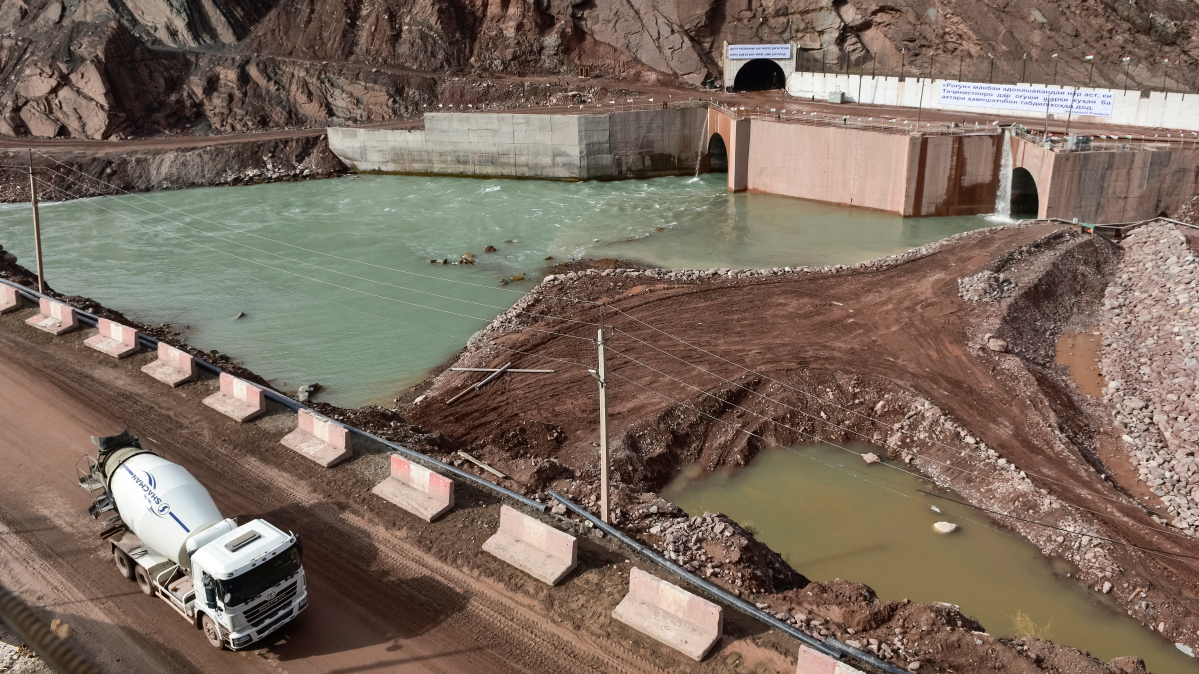
The bank attributed the strong performance to major state-led development projects, including the construction of the Rogun Hydropower Plant. Once completed, the facility is expected to substantially increase electricity generation, strengthen energy security and expand electricity exports to neighbouring countries.
Sustained economic growth
According to the EBRD and the World Bank, real GDP growth in Tajikistan reached 8.4% in 2024 and remained above 8% in 2025, placing the country among the fastest-growing economies not only in Central Asia but across the broader Eurasian region.
The EBRD forecasts Tajikistan’s economy to grow by nearly 8% again in 2026, reflecting continued investment, rising household incomes and expanding industrial activity.
Trade links expanding with China as top trade partner
Tajikistan’s growing economy is also reshaping regional trade patterns.
For the first time in more than two decades, China overtook Russia as Tajikistan’s largest trading partner in 2025. Bilateral trade with China reached approximately $4.3 billion, accounting for nearly a quarter of Tajikistan’s total foreign trade turnover. Russia remained a close second, representing more than 23 per cent of total trade.
Other major trading partners include Kazakhstan, Uzbekistan, Türkiye and Iran.
The country’s exports are dominated by aluminium, cotton, electricity, mineral products and metals, while imports primarily consist of machinery, equipment, consumer goods, fuel and industrial materials.
Investment outlook
The EBRD said the latest figures demonstrate growing confidence in Tajikistan’s economy and create favourable conditions for attracting both domestic and foreign investment. The bank noted that continued infrastructure development, industrial expansion and regional cooperation could further strengthen growth prospects in the coming years.
As Central Asian economies increasingly compete for investment, Tajikistan’s recent performance highlights its emergence as an increasingly important economic player in the region.










What is your opinion on this topic?
Leave the first comment