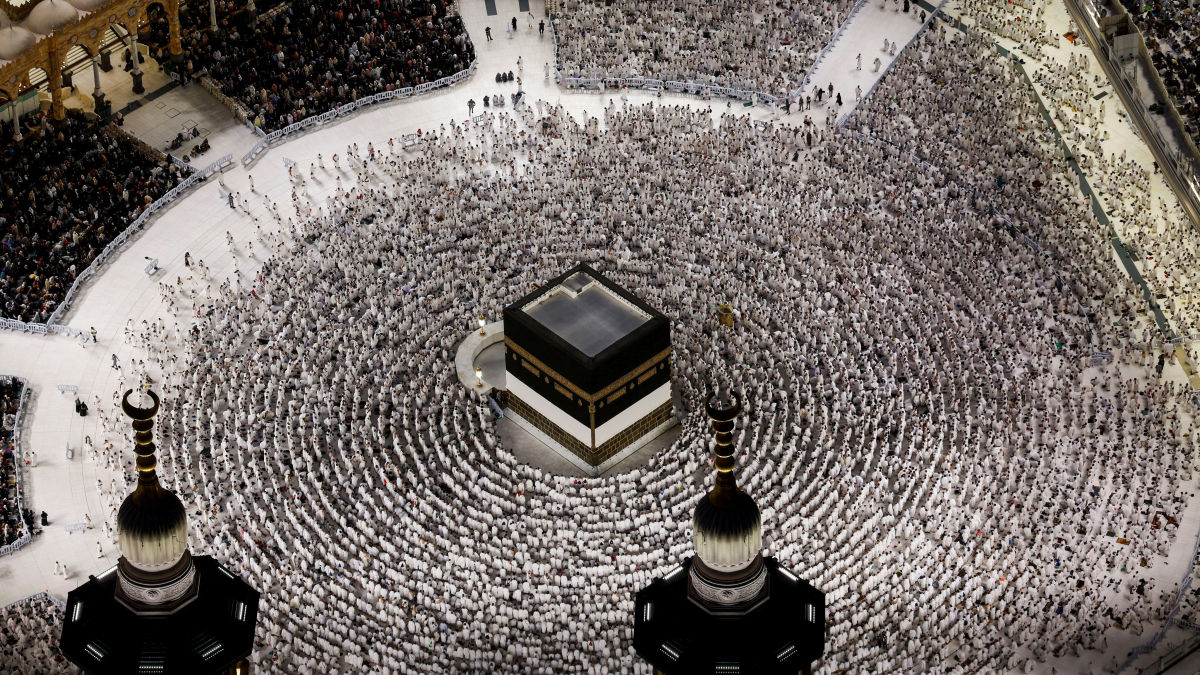
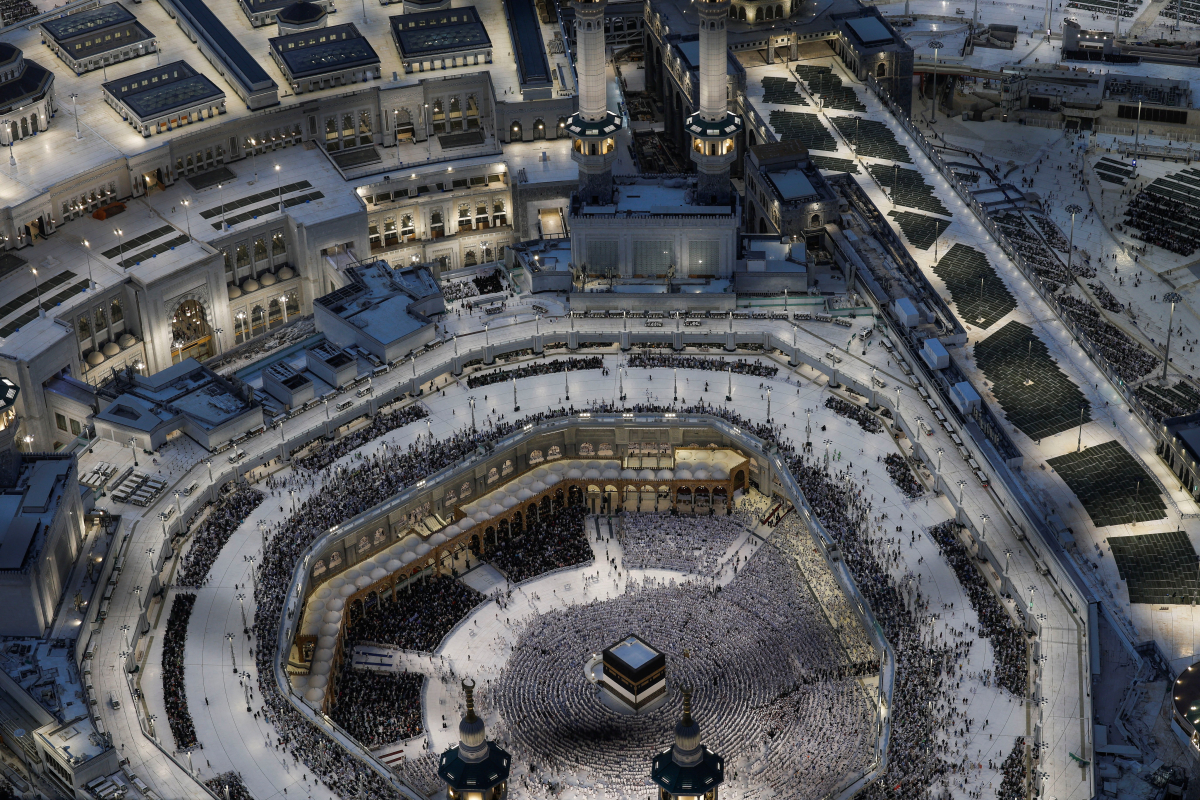
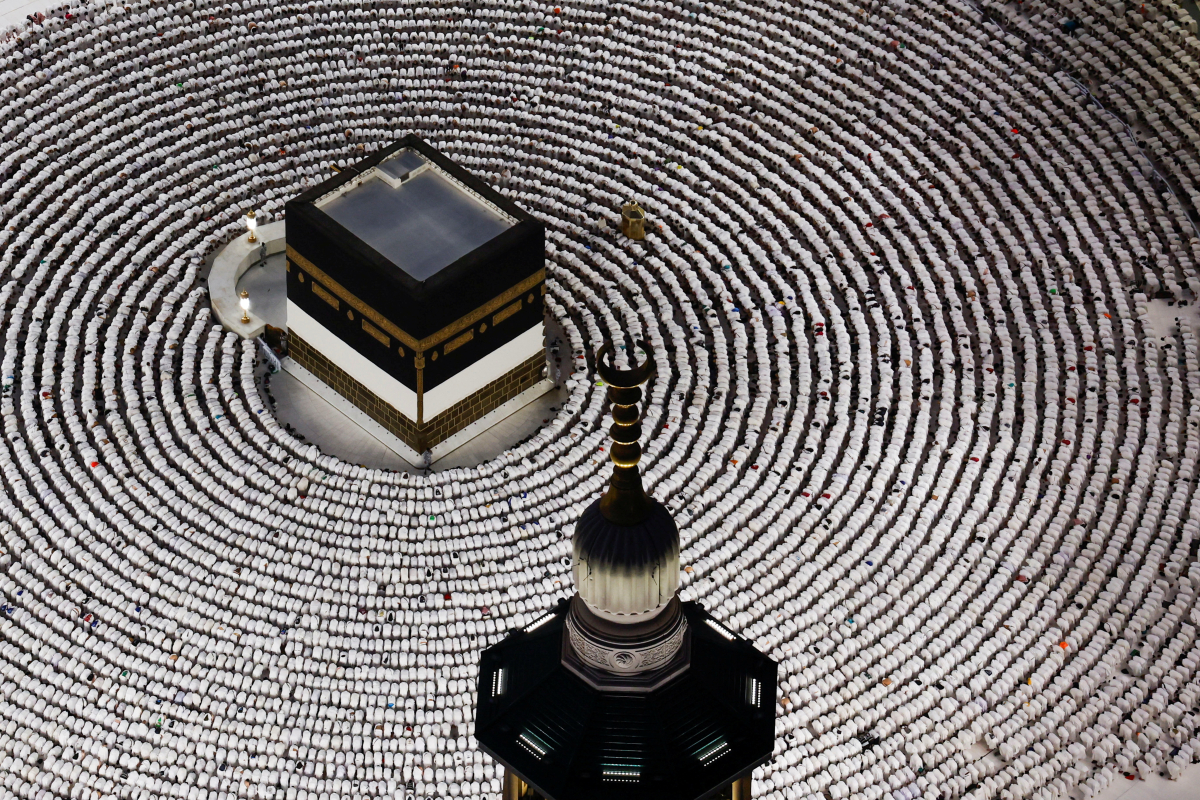
As dawn broke on Monday, pilgrims began arriving at the sacred site of Mina west of Mecca, marking the start of Hajj - one of the most significant spiritual journeys in Islam.
Nearly 2 million Muslims are expected to perform Hajj in 2026 as Saudi Arabia reports rising arrivals and continues preparations for the annual pilgrimage season.
Pilgrims in Mina on Monday observed the Day of Tarwiyah, the first stage of Hajj within the holy sites, ahead of the standing at Arafat on the ninth day of Dhul-Hijjah.
The day is regarded as a period of spiritual preparation, during which pilgrims focus on prayer, remembrance and reflection while reciting the Talbiyah.
A shifting calendar and religious significance
The pilgrimage takes place during the 12th month of the Islamic lunar calendar, meaning its timing shifts each year in relation to the solar calendar. As a result, both Hajj and Ramadan occur in different seasons over time.
Eid al-Adha, one of Islam’s two major holidays, will be observed later this week, marking the culmination of the pilgrimage period.
Security measures intensify ahead of Hajj
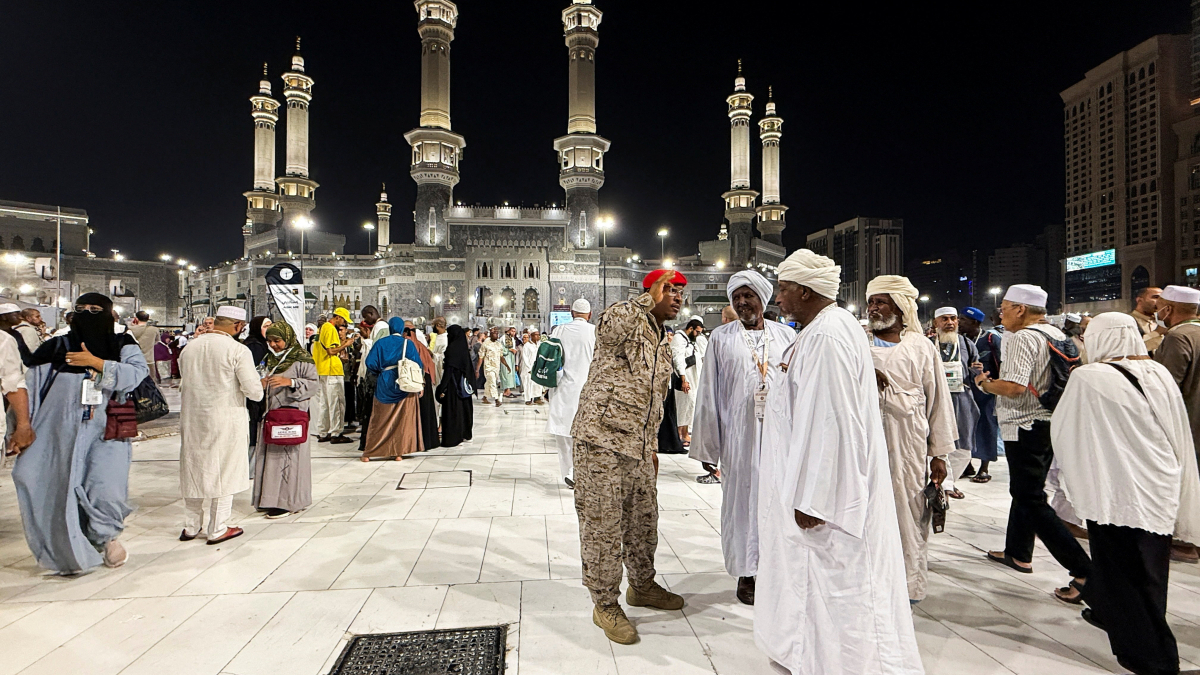
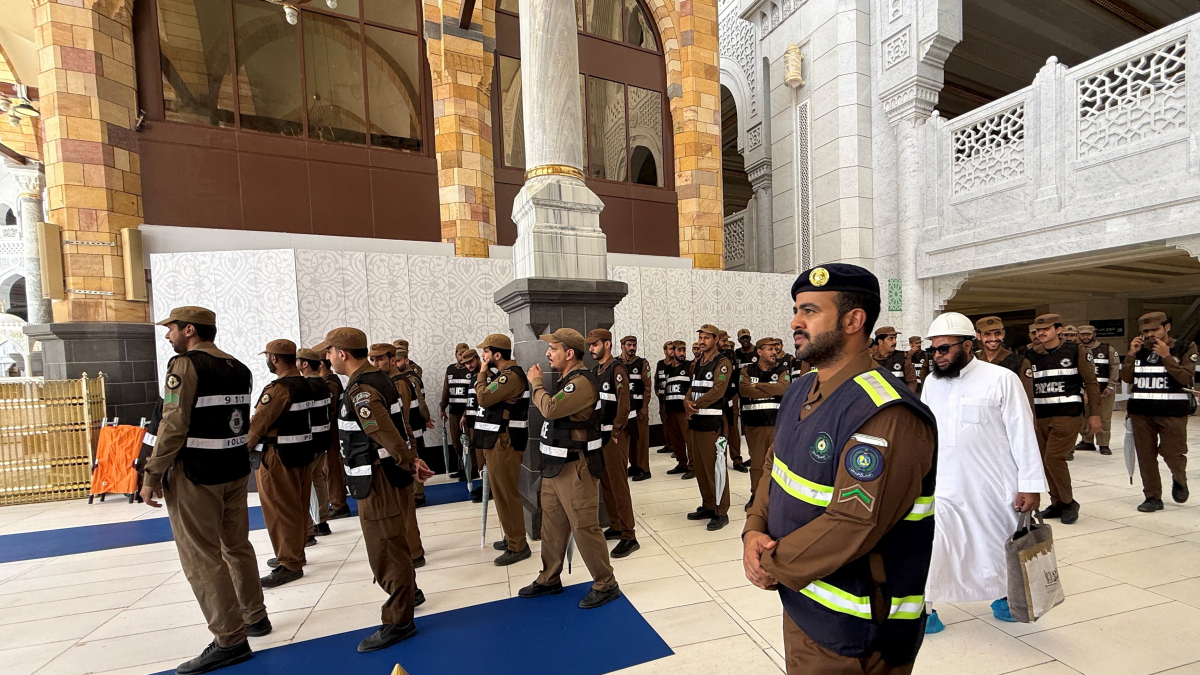
Footage released by the Saudi Defence Ministry and Reuters showed security personnel deployed around Mecca and the Grand Mosque as authorities stepped up preparations for the pilgrimage season.
Additional checkpoints and air defence systems were installed across the city as pilgrims continued arriving ahead of the main Hajj rituals.
Expanded infrastructure and climate measures
Saudi officials said more than 25 development projects had been completed at the holy sites, including expanded capacity in Mina and the installation of more than 54,000 tents to accommodate pilgrims.
Spokesman Ghassan Al-Nuwaimi said the upgrades represented a 100% increase compared with last year.
He also highlighted the expansion of the “Green Holy Sites” initiative, which has seen more than 60,000 trees planted to improve air quality and increase green spaces.
Officials added that around 87,000 pilgrims are benefiting from capacity expansion projects during this year’s Hajj season.
Economic pressures felt by pilgrims
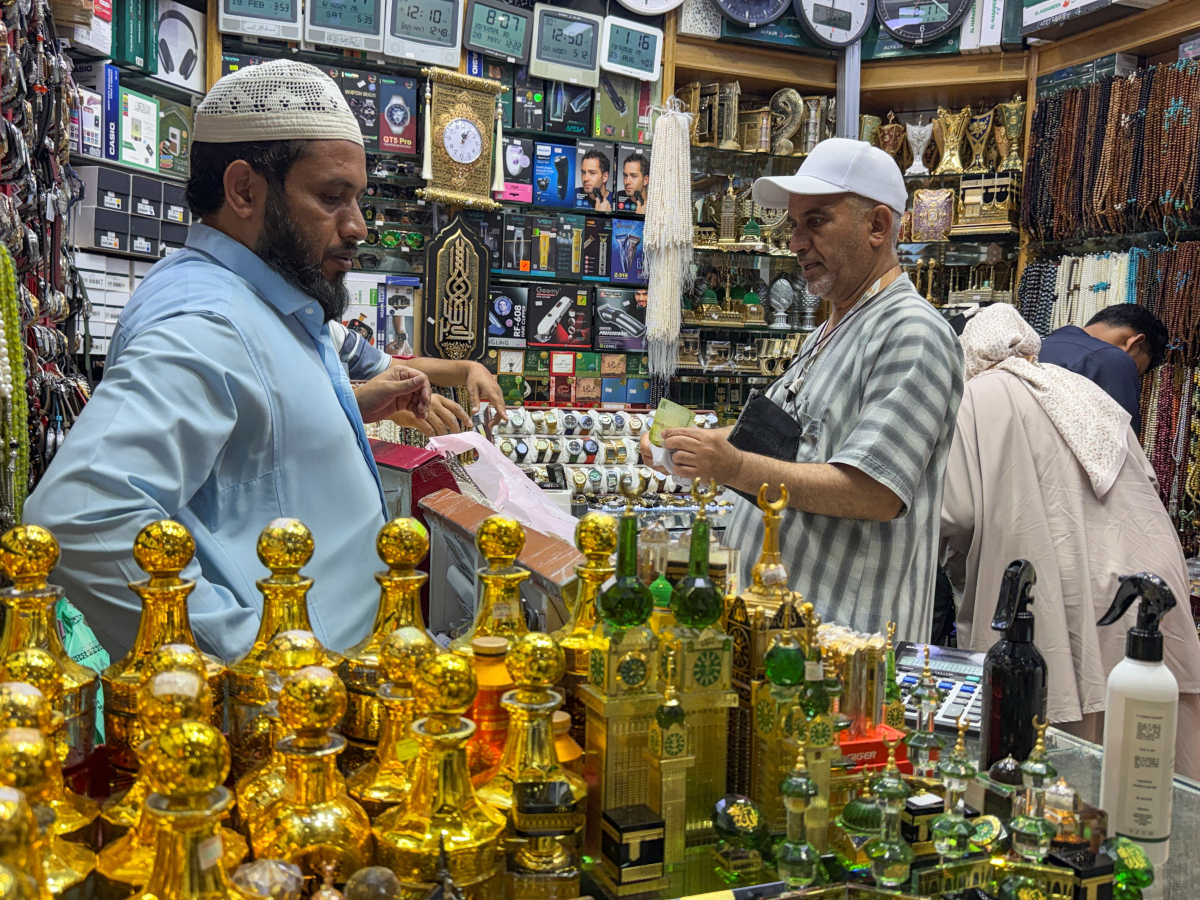
Markets around the Grand Mosque remained busy, with pilgrims purchasing food, gifts and souvenirs, although many reported higher prices compared with previous years.
Some visitors attributed rising costs to global economic pressures, including supply chain disruptions and fluctuations in energy prices. Traders also noted weaker demand for items such as silver because of rising prices.
“I performed Hajj last year, and this year I feel a great difference regarding prices,” said pilgrim Mohammed Abdulrahman.
Despite economic concerns, many pilgrims said their focus remained on the spiritual significance of the journey.
“It’s like a bubble,” said Asia Moosh, a pilgrim from France. “We don’t hear about politics and all those problems.”











What is your opinion on this topic?
Leave the first comment