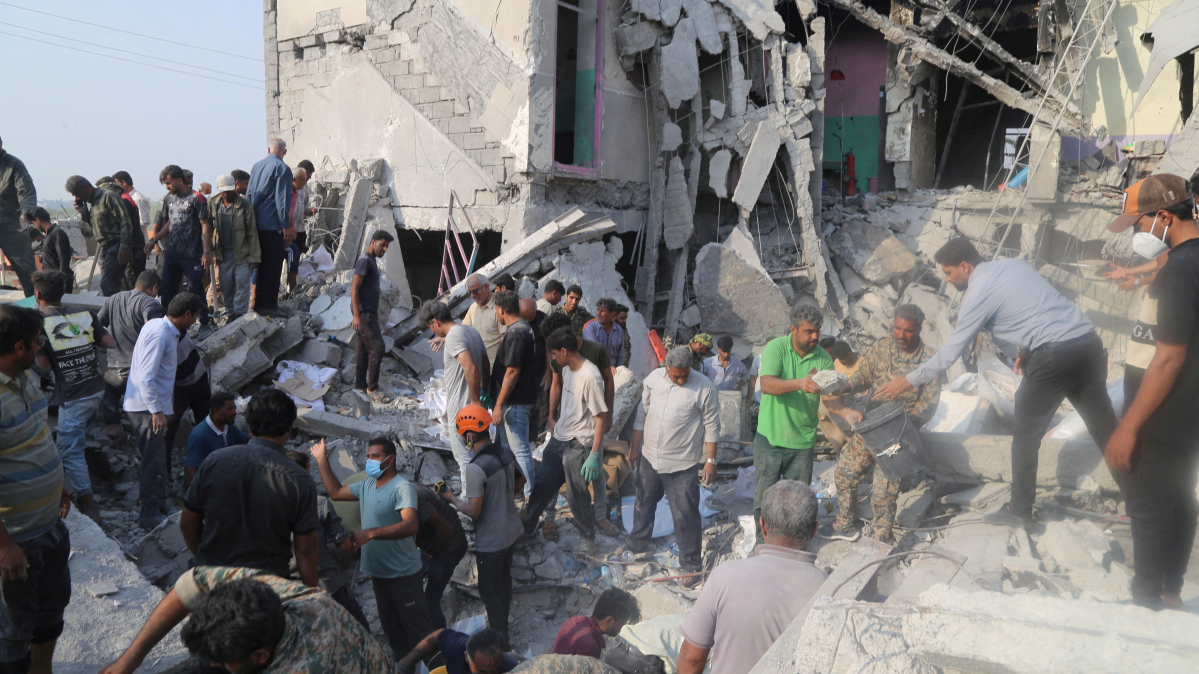
Strikes across the Middle East are intensifying, fuelling travel disruption, driving up global energy prices and forcing diplomatic missions to shut their doors.
Trump says U.S. has 'unlimited supply' of weapons
President Donald Trump said the country was “stocked and ready to win big”, adding that it could sustain military operations indefinitely.
Writing on his social media platform, Truth Social, the U.S. president said the country was prepared for a prolonged campaign.
“We’re already substantially ahead of our time projections. But whatever the time is, it’s OK. Whatever it takes,” he wrote.
His remarks come amid mixed signals from the administration about the likely scope and duration of the military campaign.
United Nations calls for inquiry into school strike
The United Nations has called for a full investigation after a deadly strike on a girls’ primary school in the Iranian city of Minab on Saturday.
Iranian officials said more than 100 children were killed in the attack. The U.S. said its forces “would not” deliberately target a school, while Israel said it was investigating the incident.
A spokesperson for the UN human rights office described the strike as “horrific” but did not attribute responsibility.
“The High Commissioner calls for a prompt, impartial and thorough investigation into the circumstances of the attack. The onus is on the forces that carried out the attack to investigate it,” the spokesperson said.
United States embassy in Saudi Arabia struck
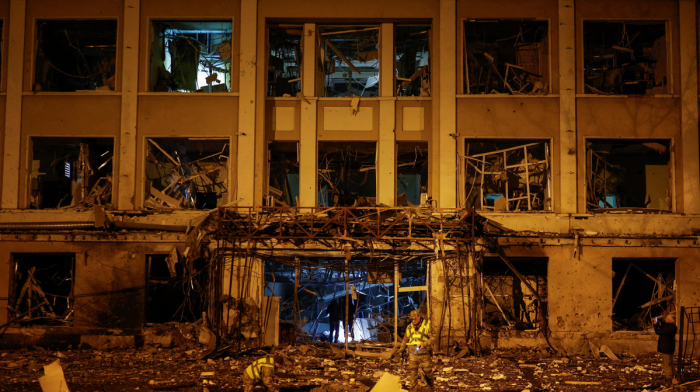
A loud blast was heard and flames were seen at the U.S. embassy in Riyadh early on Tuesday morning, three people familiar with the matter said. One person said the fire was minor.
Saudi's defence ministry said the U.S. embassy in Riyadh was hit by two drones causing limited fire damage.
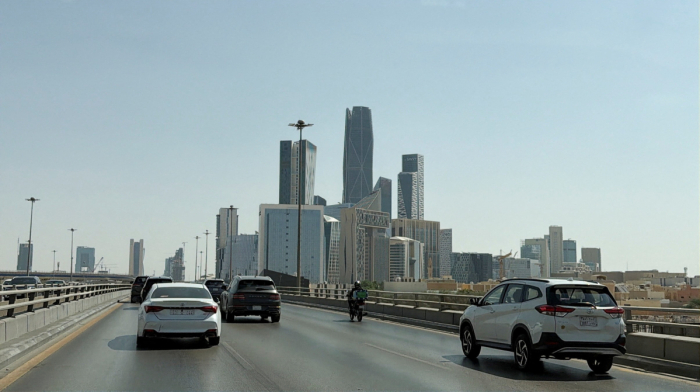
Black smoke was seen rising over Riyadh’s Diplomatic Quarter, which houses numerous foreign missions. Two sources said there were no reported injuries, as the building was largely empty in the early hours of the morning.
Shortly after the attack, the U.S. Embassy in Kuwait announced a temporary closure on Tuesday.
Huge rise in oil and gas prices
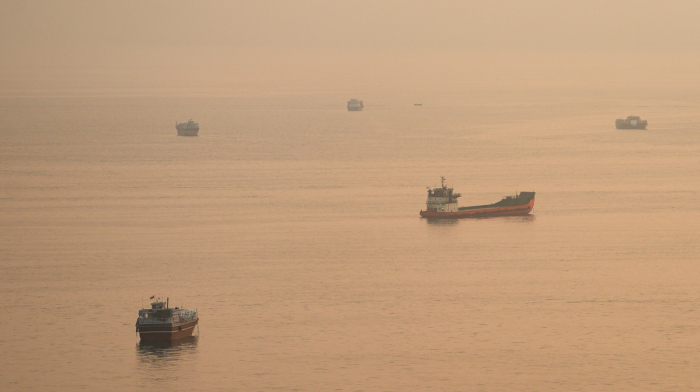
Oil prices have risen by more than 15% since Friday, a day before the U.S. strikes against Iran. Meanwhile, the European wholesale price for natural gas is up by 40%. Supplies have been disrupted as Tehran attacks ships and energy facilities in the Middle East.
Iraqi officials said oil output at the Rumaila field - Iraq’s largest producing oilfield - had been reduced because of full storage capacity and tanker delays in the Strait of Hormuz.
U.S. Secretary of State Marco Rubio said on Monday that Washington would take action to mitigate rising energy prices caused by the conflict with Iran.











What is your opinion on this topic?
Leave the first comment