The U.S. will take action to mitigate rising energy prices due to a spike in the price of oil caused by the Iran conflict, Secretary of State Rubio said on Monday.
Speaking to reporters at Capitol Hill, Rubio said Treasury Secretary Scott Bessent and Energy Secretary Chris Wright would announce the plans on Tuesday.
"Starting tomorrow, you will see us rolling out those phases to try to mitigate against that ... We anticipated this could be an issue," Rubio said.
President Donald Trump is scheduled to meet with Bessent and Wright at 2 p.m. (1900 GMT) on Tuesday, according to his itinerary released by the White House.
Oil and gas prices surge
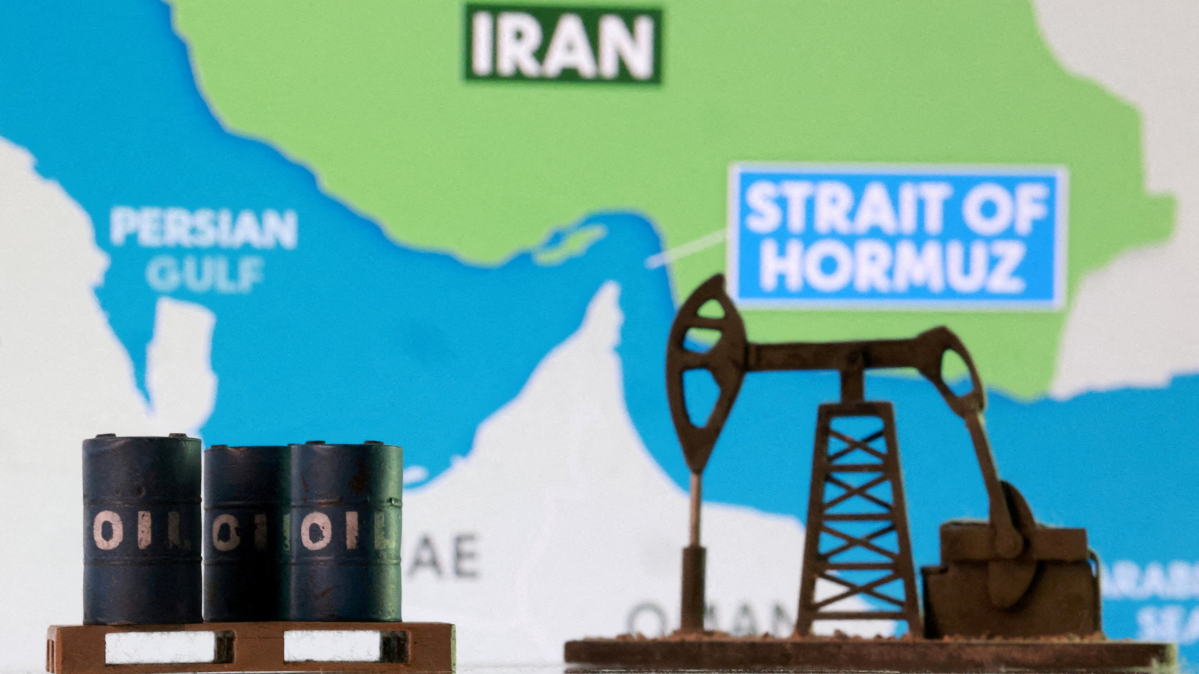
Oil and gas prices surged on Monday following Israeli and U.S. strikes on Iran and retaliation by Tehran that forced shutdowns of oil and gas facilities across the region and disrupted shipping in the crucial Strait of Hormuz.
The Energy and Treasury Departments did not immediately respond to a request for comment.
Brent crude futures were at $78.83 a barrel, up $1.10, or 1.4%, by 0107 GMT. On Monday, the contract surged to as high as $82.37, its highest since January 2025, though it pared those gains to settle 6.7% higher.
U.S. West Texas Intermediate crude jumped 74 cents, or 1%, to $71.97 a barrel. In the previous session, the contract initially climbed to its highest since June 2025 before sliding back to still settle up 6.3%.
"With no quick de-escalation in sight, the Strait of Hormuz effectively closed and Iran showing a willingness to target energy infrastructure in the region, upside risks remain and they grow the longer the conflict drags on," Tony Sycamore, IG market analyst, said in a note.
The U.S. and Israeli air war against Iran widened on Monday with Israel attacking Lebanon and Iran responding with strikes against energy infrastructure in Gulf countries and against tankers in the Strait of Hormuz.
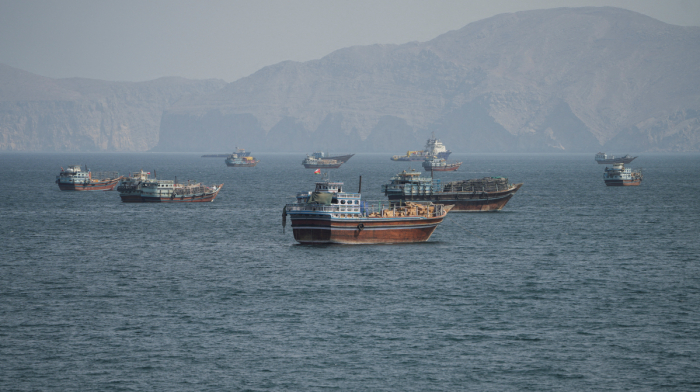
On a typical day, ships carrying crude oil equal to about one-fifth of global demand sail through the Strait of Hormuz along with tankers hauling diesel, gasoline and other fuels to major Asian markets including China and India. The waterway is also the conduit for about 20% of the world’s liquefied natural gas.
Tankers and container ships are avoiding the waterway as insurers have cancelled their coverage for vessels.
The concerns about transiting the waterway are increasing as Iranian media reported on Monday an Iranian Revolutionary Guards senior official saying the Strait of Hormuz is closed and Iran will fire on any ship trying to pass.
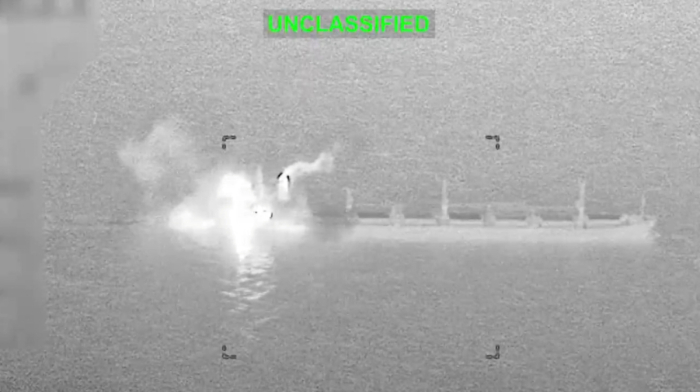
Earlier on Monday, the Revolutionary Guards said a fuel tanker, identified as the Honduran-flagged Athe Nova, was burning in the Strait after being hit by two drones, Iranian news agencies reported.
Analysts expect oil prices to remain elevated over the coming days while markets focus on the impact of escalating Middle East conflict.
Bernstein on Monday raised its 2026 Brent oil price assumption from $65 to $80 a barrel, but sees prices reaching $120-$150 in an extreme case of prolonged conflict.
Refined product futures are also gaining as the Middle East is a key supplier of fuels and their processing facilities are at risk. On Monday, Saudi Arabia shut its biggest domestic oil refinery after a drone strike.
U.S. ultra-low-sulfur diesel futures were up 3.1% at $2.991 after reaching a two-year high on Monday, while gasoline futures were up 1.1% after climbing 3.7% in the previous session.
European gasoil futures gained 2.7% to $909.50 a metric ton, after climbing 18% on Monday.

















What is your opinion on this topic?
Leave the first comment