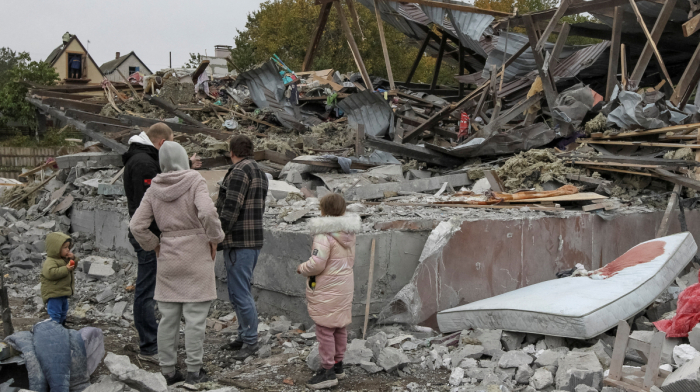
The U.S.-Iran crisis has entered its third day, with further strikes reported across the Middle East and the death toll rising. Oil prices have surged to levels last seen during the Covid-19 pandemic, raising fears of economic disruption and higher prices worldwide.
Drone strike targets UK base in Cyprus
A drone strike was launched in the early hours of Monday morning against the runway of a UK military base in Cyprus currently being used by the U.S. military. No casualties were reported. The extent of the damage remains unclear.
Starmer and Trump clash over strikes
Tensions have also emerged between London and Washington. UK Prime Minister Keir Starmer and U.S. President Donald Trump publicly criticised each other’s approach to the crisis over the weekend.
Mr Trump said he was “disappointed” that the UK had not joined the U.S.- and Israel-led strikes carried out on Saturday. Sir Keir said Britain would not support what he described as “regime change from the skies.”
The disagreement followed an unusual move by the UK government to publish a summary of its legal advice, which concluded that British participation in the attacks would be illegal under international law.
U.S. expands military operations
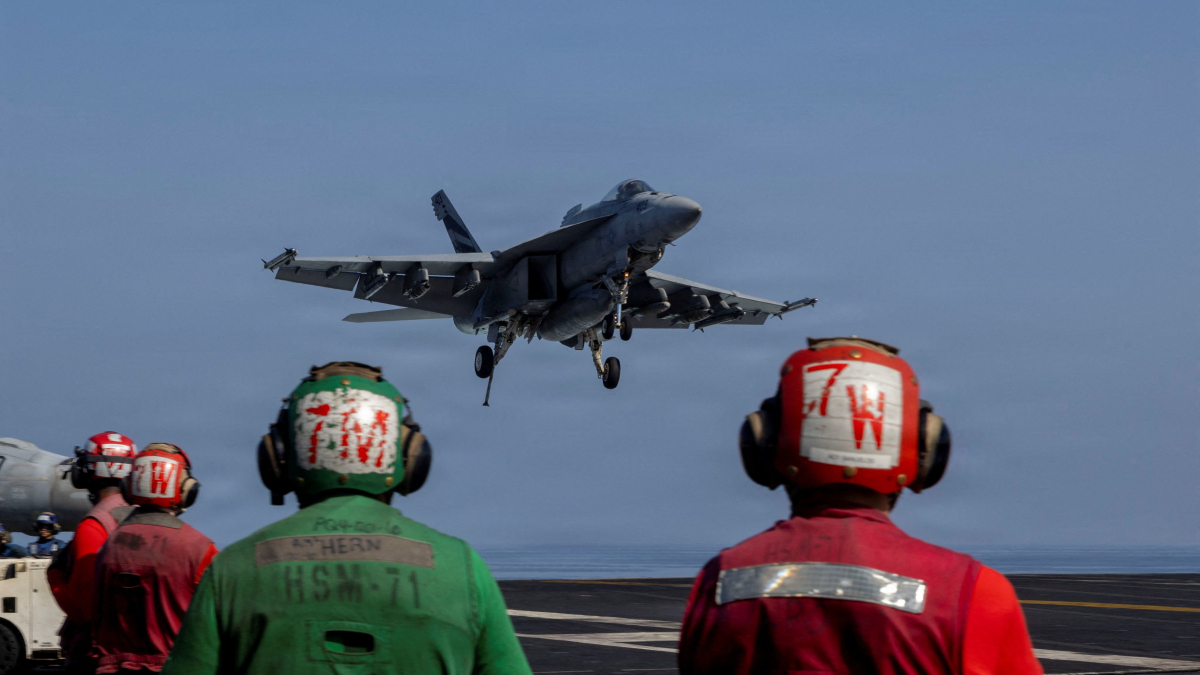
Speaking publicly for the first time since the escalation began, Mr Trump said U.S. forces had “knocked out” 10 ships and were conducting “large-scale combat operations” in Iran. He added that operations would continue with “full force” until what he described as threats from Iran were eliminated.
U.S. Defence Secretary Pete Hegseth told reporters at the Pentagon that “the regime in Iran has changed” and that “the world is better off for it.”
Regional escalation
Qatar said it had shot down two Iranian jets as Tehran continued retaliatory strikes across the region following the reported death of Iran’s Supreme Leader, Ayatollah Ali Khamenei.
Iranian state media reported that Mr Khamenei’s wife of 62 years, Mansoureh Khojasteh, died on Monday from injuries sustained in Saturday’s strike.
Oil prices surge
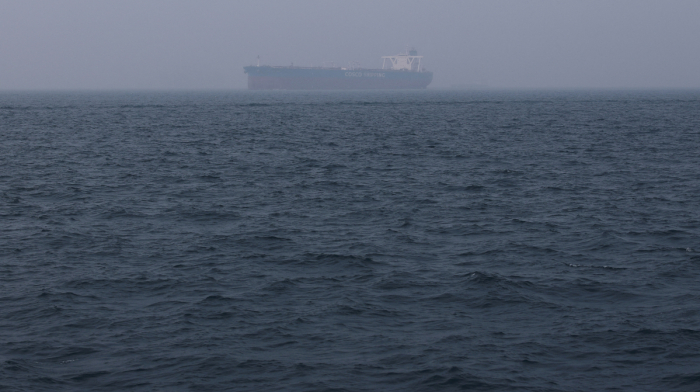
Oil prices have climbed to six-year highs as the conflict has created a near-halt to shipping in the Strait of Hormuz, a critical shipping route for global energy supplies.
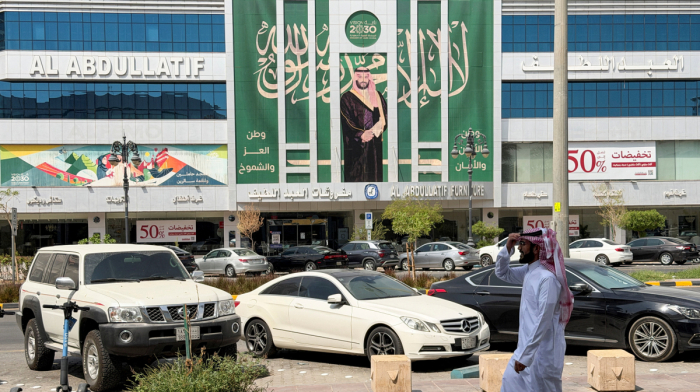
Qatar reported attacks on its oil facilities, while Saudi Arabia’s largest oil site was hit by a drone strike. Israeli gas fields have gone offline, and Iraqi Kurdistan has shut down most of its output as a precaution.
The disruption to energy infrastructure has intensified concerns about the stability of global markets as the conflict shows no sign of easing.
AnewZ correspondent Touraj Shiralilou is reporting from Tehran:













What is your opinion on this topic?
Leave the first comment