Iran rejects UAE missile claims as regional tensions escalate
Iran has rejected UAE allegations that it fired two ballistic missiles towards the Gulf state, as tensions rise over military activity, trade and the Strait of Hormuz.
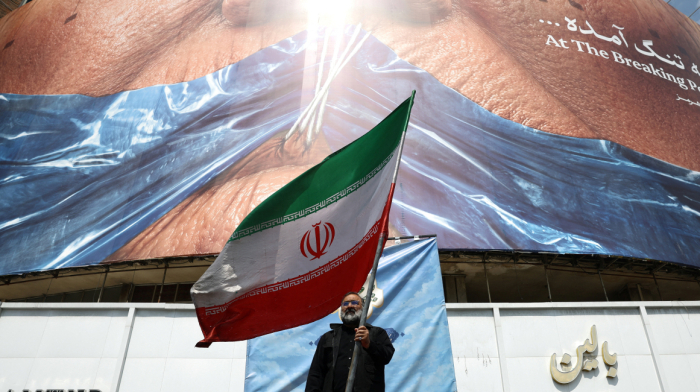
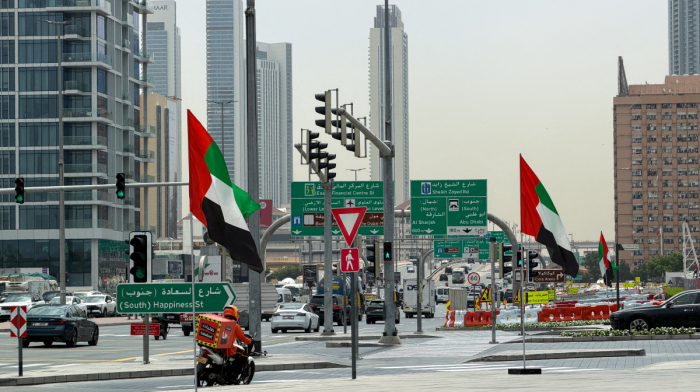
The United Arab Emirate said it was dealing with missile and drone attacks from Iran for the second day in a row on Tuesday (5 May), despite denials from authorities in Tehran who threatened a "crushing response" if the UAE retaliated.
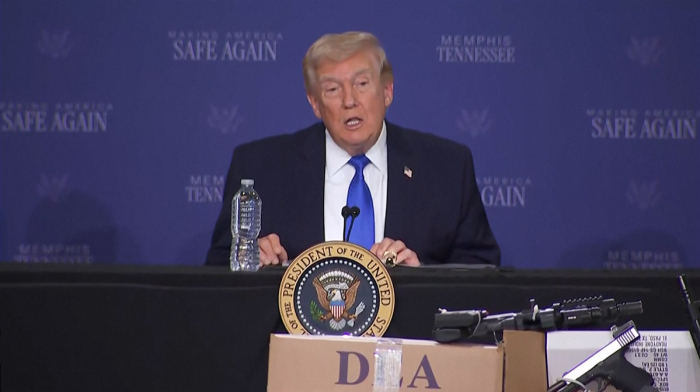
President Trump has issued a warning to the international community, claiming a nuclear-armed Iran would strike Israel "very quickly" before targeting Europe and the United States.
Iran has cautiously welcomed the ten-day ceasefire between Israel and Lebanon stressing that it is an integral part of Tehran’s set of its conditions for an end to the ongoing conflict with Washington.
Since Monday, Monday (13 April), America has blocked traffic entering and leaving Iran's ports, in an escalation of the conflict in the Middle East. The consequences of that will continue to impact the global oil supply.
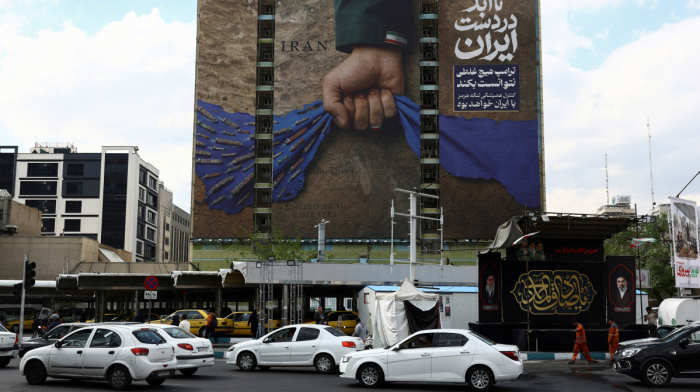
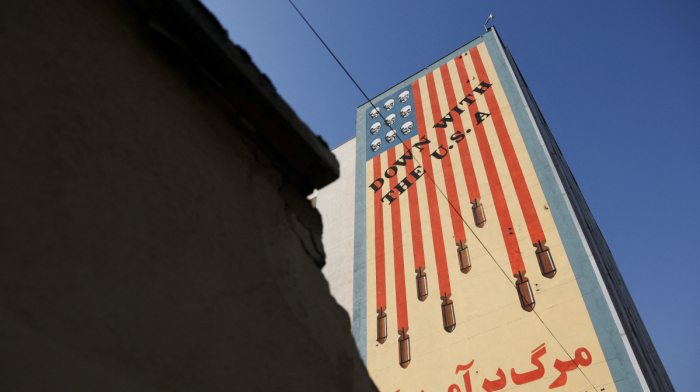
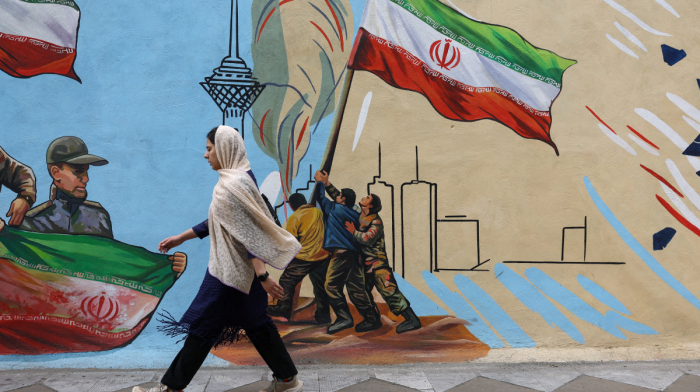
Caricatures of U.S. President Donald Trump and Israeli Prime Minister Benjamin Netanyahu are on display in a metro station in downtown Tehran. The cartoons mock the two leaders for what Tehran says is their failure in waging a war on Iran.
While a fragile ceasefire in the Iran war may deliver badly needed relief to economies battered by the world’s worst-ever energy crisis, hopes it will quickly restore normal oil and gas flows from the Middle East are almost certainly misplaced.
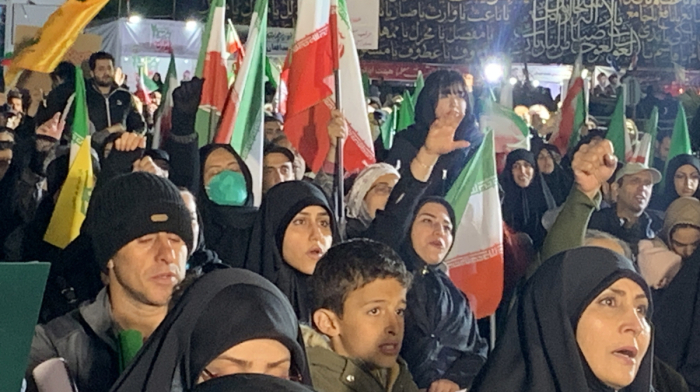
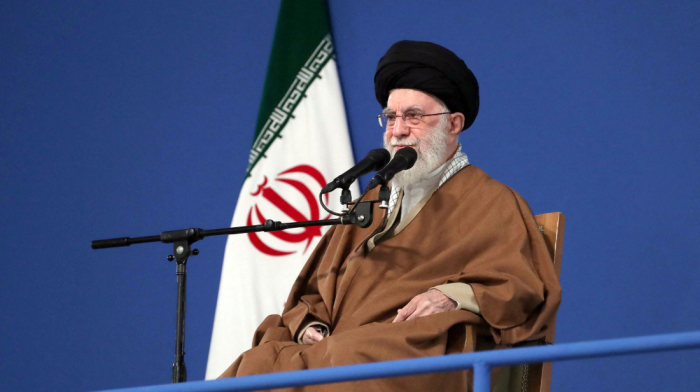
Memorial events were held in Tehran’s main squares on Wednesday (8 April) to mark the 40th day since the killing of former Supreme Leader Ayatollah Ali Khamenei, who died during U.S.-Israeli attacks on 28 February.
World leaders have welcomed a two-week ceasefire between Iran and the U.S. announced on Wednesday, following a tense day marked by threats from U.S. President Donald Trump to wipe out Iranian civilisation if a deal was not reached.
Iran has strongly condemned U.S. President Donald Trump’s threat to bomb the country “back to the Stone Age”, calling his remarks an example of “war crimes and genocide.”
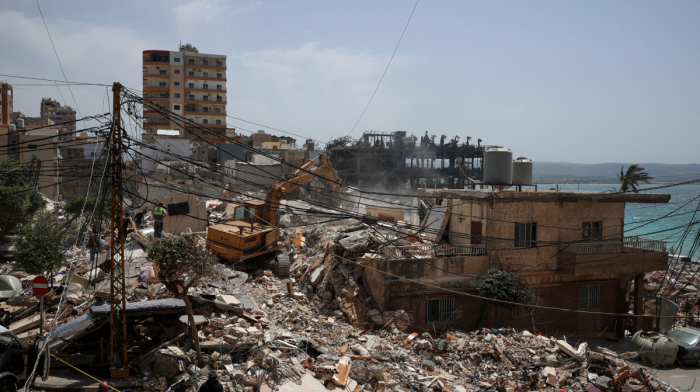
International law experts from across the U.S., including Harvard, Yale and Stanford, have signed an open letter saying the strikes on Iran may amount to war crimes. America and Israel began airstrikes on 28 February on Iran's capital, Tehran.
Trump says U.S. found “major points of agreement” with Iran and has paused strikes on Iranian power plants, but Tehran denies any direct talks or negotiations, contradicting U.S. claims - latest on Middle East conflict.
Oil prices continue to fluctuate as a result of the conflict in the Middle East with Iran and the insecurity of ships sailing through the key Strait of Hormuz route. Iran has said it will target any ship linked to the U.S., Israel or their allies.
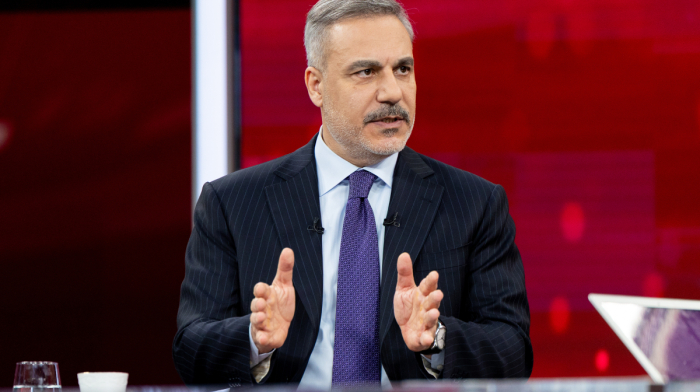
The election of Iran’s next supreme leader could provide an opportunity to end the ongoing regional war involving Israel, the U.S. and Iran, Türkiye’s Foreign Minister Hakan Fidan has said.
The U.S.-Iran crisis has entered its third day, with further strikes reported across the Middle East and the death toll rising. Oil prices have surged to levels last seen during the Covid-19 pandemic, raising fears of economic disruption and higher prices worldwide.
Sanctions are a long-used tool designed as an alternative to military force and with the objective of changing governments’ behaviour, but they also end up hurting civilian citizens.
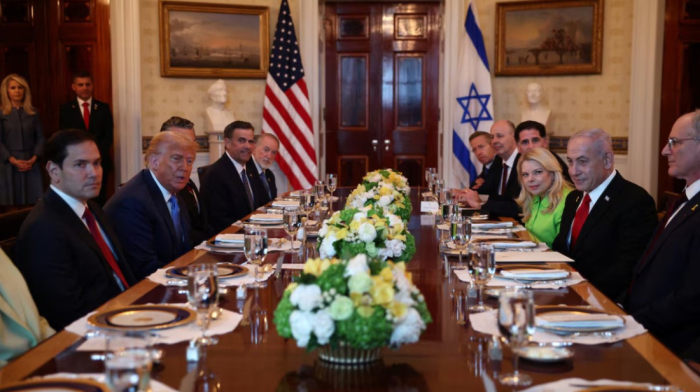
Israeli Prime Minister Benjamin Netanyahu on Monday told President Donald Trump he had nominated him for the Nobel Peace Prize, handing Trump a nomination letter during a meeting at The White House. The two leaders met for the first time since the US launched strikes on Iran’s nuclear facilities.
Despite repeated round of negotiations, there is increasing doubts on whether nuclear talks between the two countries will lead to an agreement.
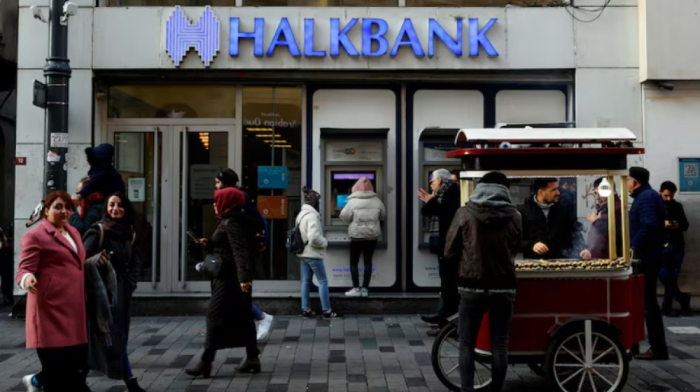
Turkey's Halkbank asked the U.S. Supreme Court to review a lower court ruling saying it can be prosecuted for allegedly helping Iran evade American sanctions, a U.S.-based lawyer for the bank said on Monday.
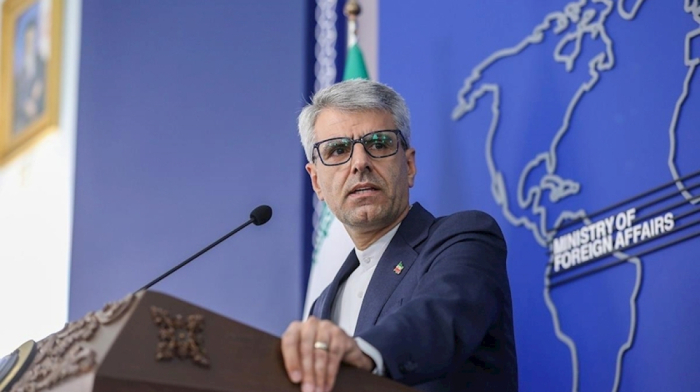
Iranian Foreign Ministry spokesperson Esmaeil Baqaei announced that the next round of indirect talks between Iran and the U.S., originally scheduled for Saturday, May 3, has been postponed.
Iran has announced that expert-level technical talks with the United States will take place on April 26. According to Foreign Ministry Spokesperson Esmaeil Baqaei, the decision follows a suggestion by Oman and was reached through mutual agreement between the Iranian and U.S. delegations.
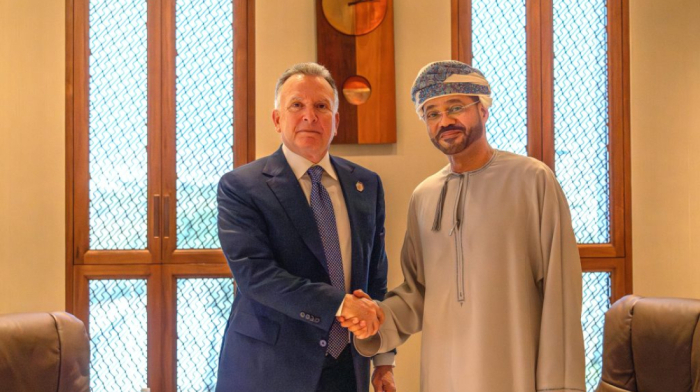
The Ministry of Foreign Affairs of the Sultanate of Oman has confirmed that the second round of talks between representatives of the Islamic Republic of Iran and the United States of America will be held in Rome this Saturday.
Iran's Foreign Ministry spokesperson Esmaeil Baqaei announced that the next round of negotiations between Tehran and Washington on nuclear issue will take place in Muscat, Oman.
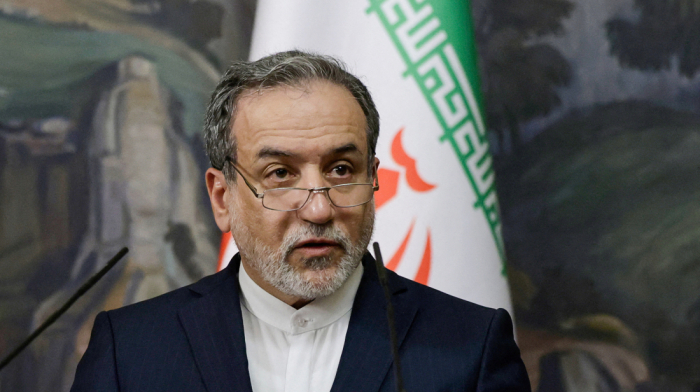
Russia, Iran, and China have held consultations in Moscow to discuss possible scenarios following the expiration of the Joint Comprehensive Plan of Action on Iran's nuclear programme which was endorsed by the U.N. Security Council Resolution 2231. Plan's term expires in October 2025.
You can download the AnewZ application from Play Store and the App Store.