Oil prices continue to fluctuate as a result of the conflict in the Middle East with Iran and the insecurity of ships sailing through the key Strait of Hormuz route. Iran has said it will target any ship linked to the U.S., Israel or their allies.
Current prices are around $100, according to the Intercontinental Exchange (ICE) market, after suspected attacks by Iran on multiple vessels in the critical Strait of Hormuz.
All 32 members of the International Energy Agency's (IEA) agreed the extraordinary move to release 400 million barrels of Brent crude oil in reponse, to try and bring the price down. Earlier this week, the price rose to almost $120.
Iran's Islamic Revolutionary Guard Corps (IRGC) is warning prices could rise to $200 a barrel. A spokesperson said any ship from the U.S., Israel or allies will be targeted in the Strait of Hormuz, a vital shipping lane between Iran and Oman.
"You will not be able to artificially lower the price of oil. Expect oil at $200 per barrel," the spokesperson said. "The price of oil depends on regional security, and you are the main source of insecurity in the region."
Impact on everyday lives
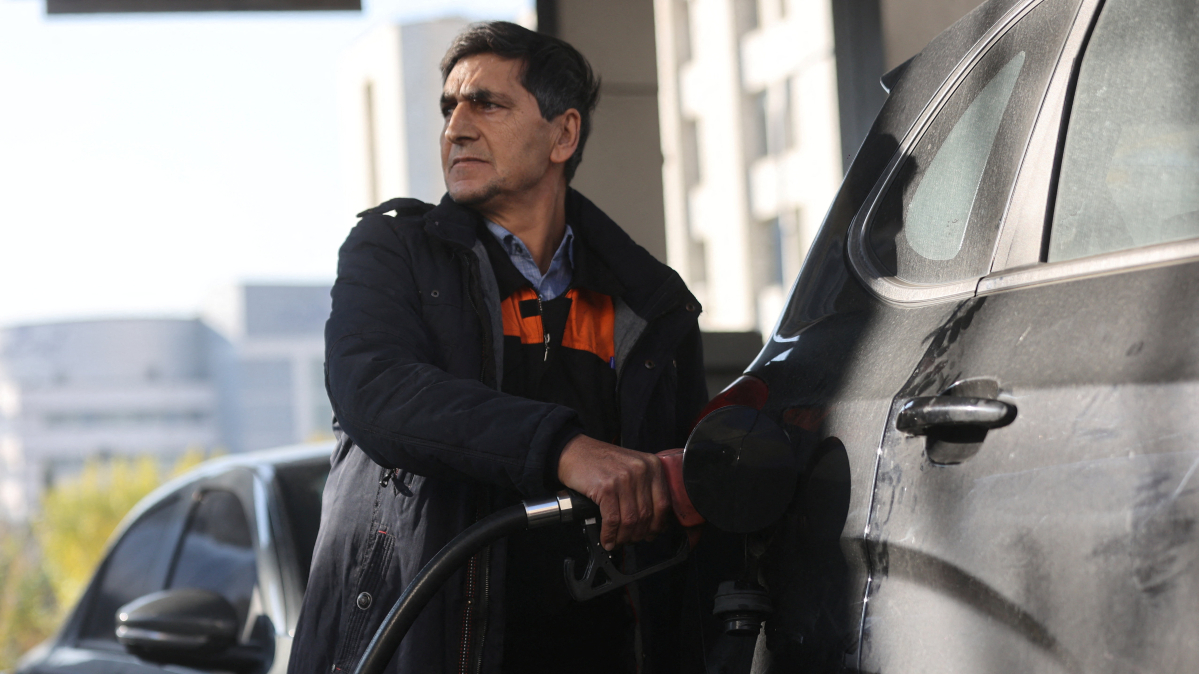
As the conflict pushes petrol prices up across the world, countries scramble to mitigate its domestic impact, with the American Automobile Association saying a gallon of petrol is now above $3.50.
Schools in Pakistan are being forced to close for a fortnight from next week and government departments will operate only on a four-day week, similar to the Philipines and Bangladesh.
South Korea introduced a price cap for the first time in 30 years on Monday as others like China, raise prices.
The prices are also flucuating due to what appears to be mixed signalling from U.S. President Donald Trump around the length of the war in Iran.
















What is your opinion on this topic?
Leave the first comment