The Strait of Hormuz has become a focal point of global concern as tensions rise following the conflict involving Iran, the United States and Israel. Tehran has threatened to block the strategic waterway, raising fears of disruption to global oil shipments and energy markets.
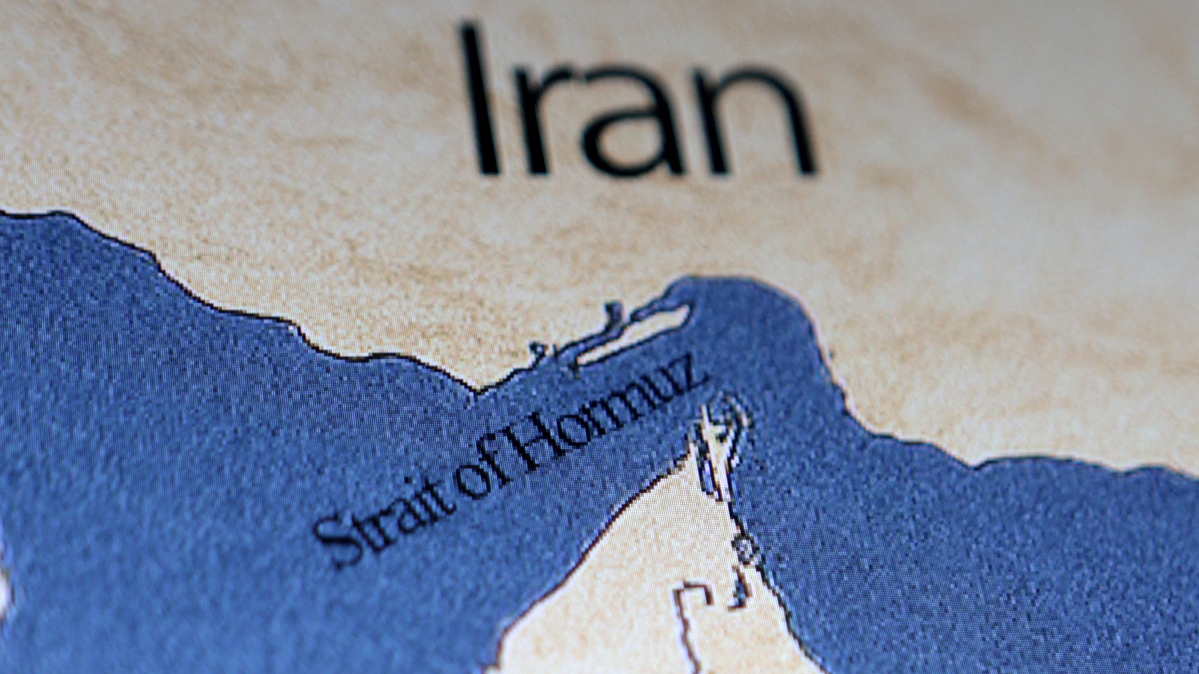
The Strait of Hormuz is a narrow maritime passage linking the Persian Gulf with the Gulf of Oman and the Arabian Sea. It lies between Iran to the north and Oman and the United Arab Emirates to the south.
At its narrowest point, the strait is roughly 33 kilometres wide geographically, making it one of the world’s most strategically sensitive maritime chokepoints. There are two shipping lanes which flow in the strait both approximately 3.2 kilometres (2 miles) wide, with a 3.2 kilometre buffer zone in the centre. Despite its relatively small size, it serves as the main shipping route for energy exports from several Gulf countries.
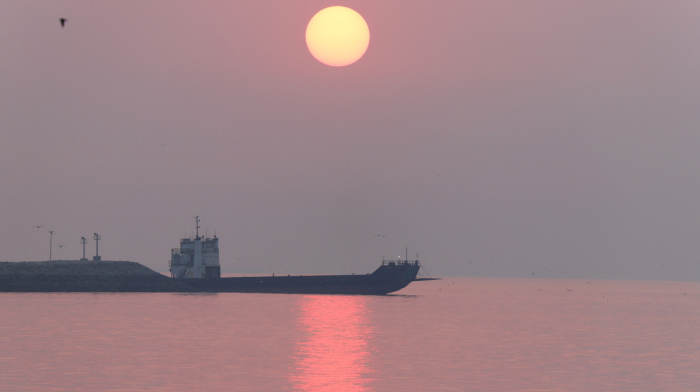
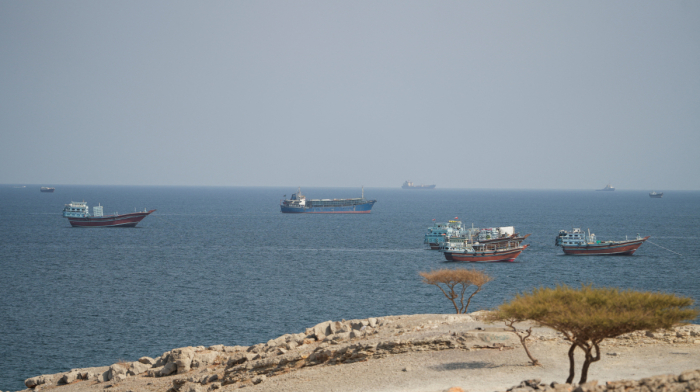
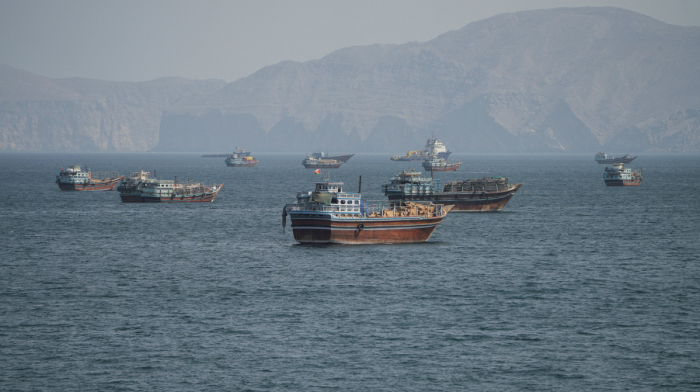
Traffic through the strait has reportedly dropped by nearly 97% since the U.S.–Israeli conflict began on 28 February, with hundreds of vessels anchored or delayed in nearby waters.
Strategic importance
Estimates suggest that around 20 million barrels of oil pass through the strait each day, accounting for about one-fifth of global oil consumption and roughly a quarter of seaborne oil trade.
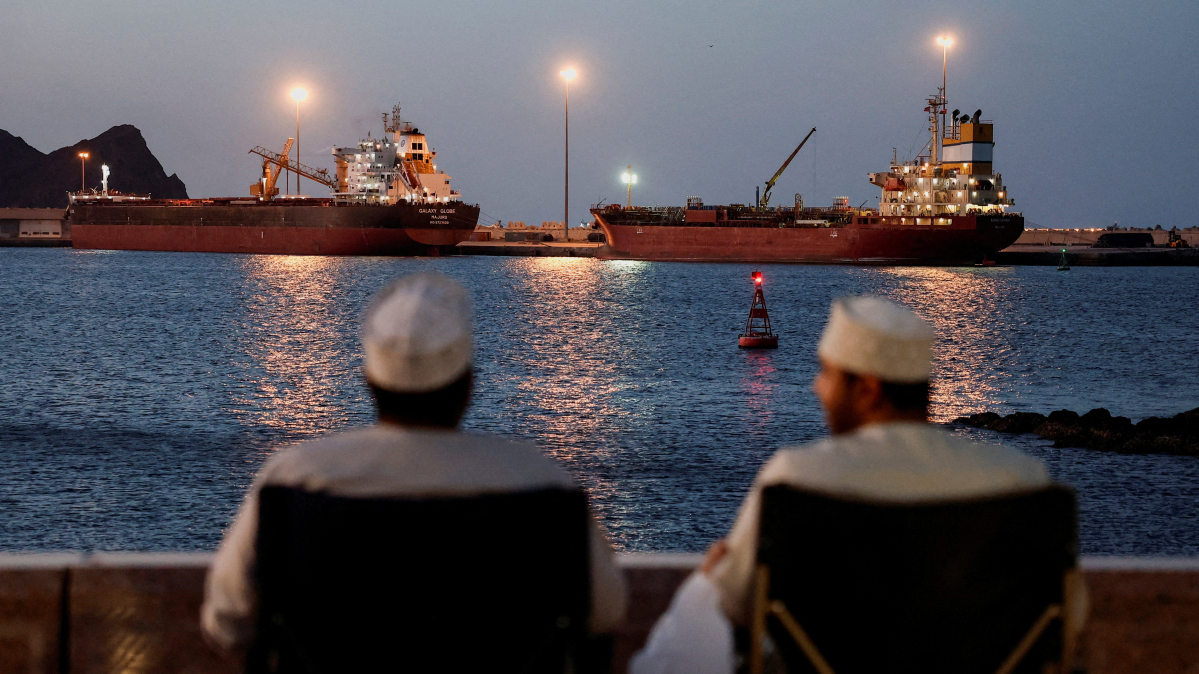
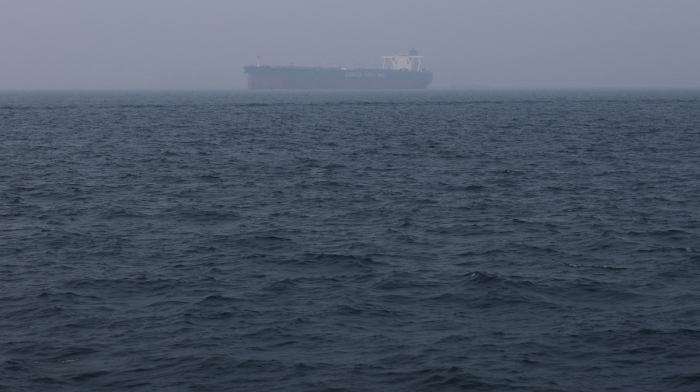
Tankers carry energy supplies from the Gulf to markets in Asia, Europe and North America.
Major exporters that rely on the route include Saudi Arabia, Iraq, Kuwait, Qatar, Iran and the United Arab Emirates. For several of these countries, the strait is the primary route through which oil reaches global markets.
Because of this concentration of energy exports, analysts often describe the Strait of Hormuz as the most important oil chokepoint in the world.
The strait also handles roughly one-third of the world’s liquefied natural gas (LNG) and about a third of global fertiliser shipments, including sulphur and ammonia, which are critical for agriculture.
The Strait of Hormuz is part of a wider network of narrow maritime routes that regulate global trade.
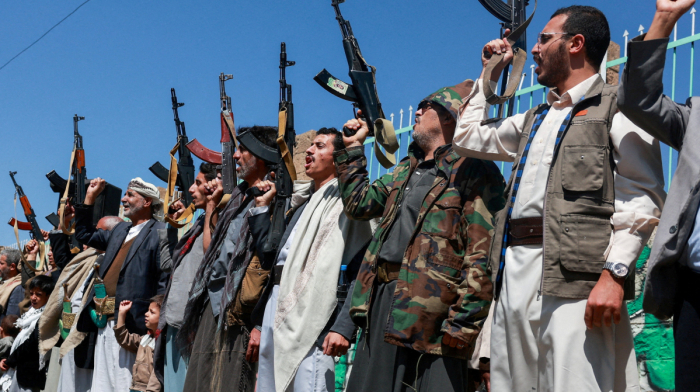
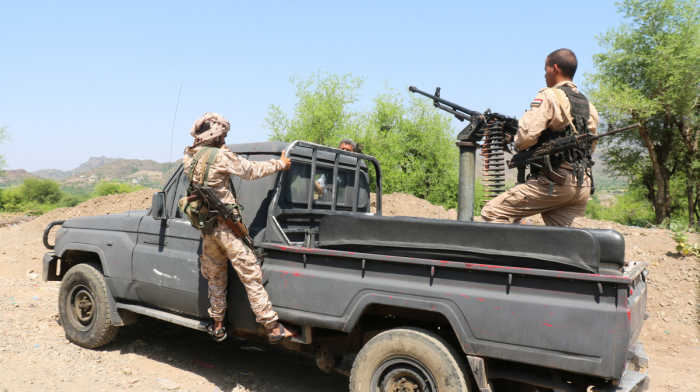
Experiences at other chokepoints, such as the Bab el-Mandeb Strait, demonstrate the risks. Yemen’s Houthi movement managed to shut down most traffic through the Red Sea for more than two years despite U.S. and EU protection, showing how even smaller, well-armed groups can disrupt vital trade routes.
Conflict in the region
The latest conflict has dramatically reduced traffic through the Strait of Hormuz.
Maritime intelligence estimates suggest shipping through the route has dropped sharply, with many vessels waiting in nearby waters or delaying transit.
Reports indicate tanker traffic has fallen significantly as shipping companies reassess the security risks of operating in the area. Insurance premiums for vessels transiting the route have also surged, with insurers classifying the area as high risk.
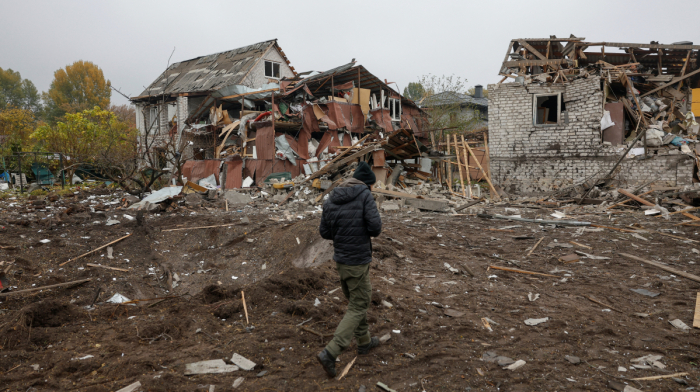
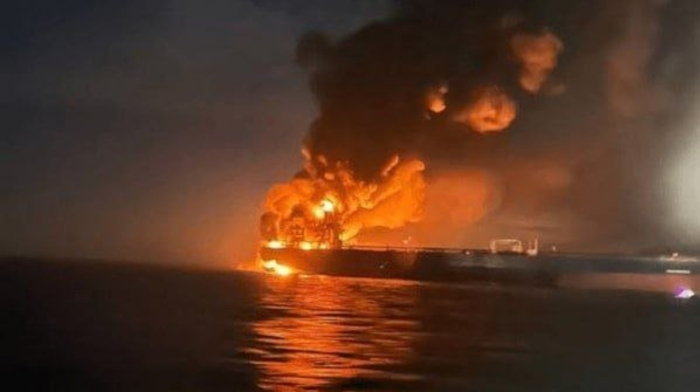
Several incidents involving drones and missile attacks in the region have heightened fears that commercial vessels could become targets.
At least 11 ships have been attacked since the conflict began.
Iran's authority
Under international maritime law, major shipping lanes such as the Strait of Hormuz are generally treated as part of the global commons, meaning vessels from all countries have the right to transit through them.
While coastal states control their territorial waters and exclusive economic zones, they cannot legally block international navigation routes. However, military conflict can still make passage extremely dangerous.
Even without a formal blockade, attacks, mines or missile threats could discourage shipping companies from entering the waterway.
Analysts say Iran has a range of capabilities that could be used to disrupt traffic in the strait, including naval mines, fast attack boats, submarines, drones and anti-ship missile systems. Iran also has access to uncrewed surface vessels, speedboats, mini-submarines and even explosive-laden jet skis and is believed to have the capacity to produce around 10,000 drones per month.
Rather than fully closing the waterway, Iran could also attempt a targeted campaign of harassment against specific vessels, particularly those linked to the United States or its allies.
A full closure would be an extreme step, however, as it could anger major oil buyers such as China and disrupt exports from neighbouring Gulf states.
Securing the strait
The U.S. Pentagon is exploring options to escort ships safely through the strait, with limited convoys of three or four vessels per day considered feasible in the short term using several destroyers for air cover.
However, sustaining such protection for weeks or months would require extensive resources. Even if Iran’s conventional navy were neutralised, threats from ballistic missiles, drones, mines and suicide operations would remain.
France has deployed naval vessels, including an aircraft carrier strike group, to the eastern Mediterranean and the Red Sea, while the UK, India and other nations are exploring joint measures to support commercial shipping.
The geography of the strait makes it particularly difficult to defend. Shipping lanes are only two nautical miles wide, with turns near Iranian islands and a mountainous coastline that provides cover for hostile forces. Past attempts to bypass the strait with pipelines have proven vulnerable, as attacks on Saudi east–west pipelines by Houthi militias in 2019 demonstrated.
Impact on oil prices
Any disruption in the Strait of Hormuz can quickly affect global energy markets.
Oil prices often react sharply to geopolitical tensions in the region because such a large share of global supply moves through the route. Past disruptions have triggered rapid price increases, and even brief closures in recent years have caused oil prices to rise significantly.
Analysts warn that a prolonged shutdown could push oil prices above $100 per barrel, likely increasing fuel prices and inflation worldwide.
The strait is also a critical route for LNG, with roughly 20% of global LNG trade passing through it, meaning disruptions could affect multiple energy markets beyond crude oil. Oil briefly reached its highest levels since 2022 on 6 March, raising fears of another cost-of-living crisis similar to the period following Russia’s invasion of Ukraine.
Developments around the Strait of Hormuz are being closely monitored by governments, energy companies and financial markets.
Whether the current crisis becomes a short-term shock or escalates into a wider geopolitical crisis may depend largely on developments in and around the Strait of Hormuz in the weeks ahead.














What is your opinion on this topic?
Leave the first comment