China and Britain sat down for a major round of talks in Beijing on Tuesday and walked away with a clear message that the two countries want a better, closer relationship and that they are actively working to build one.
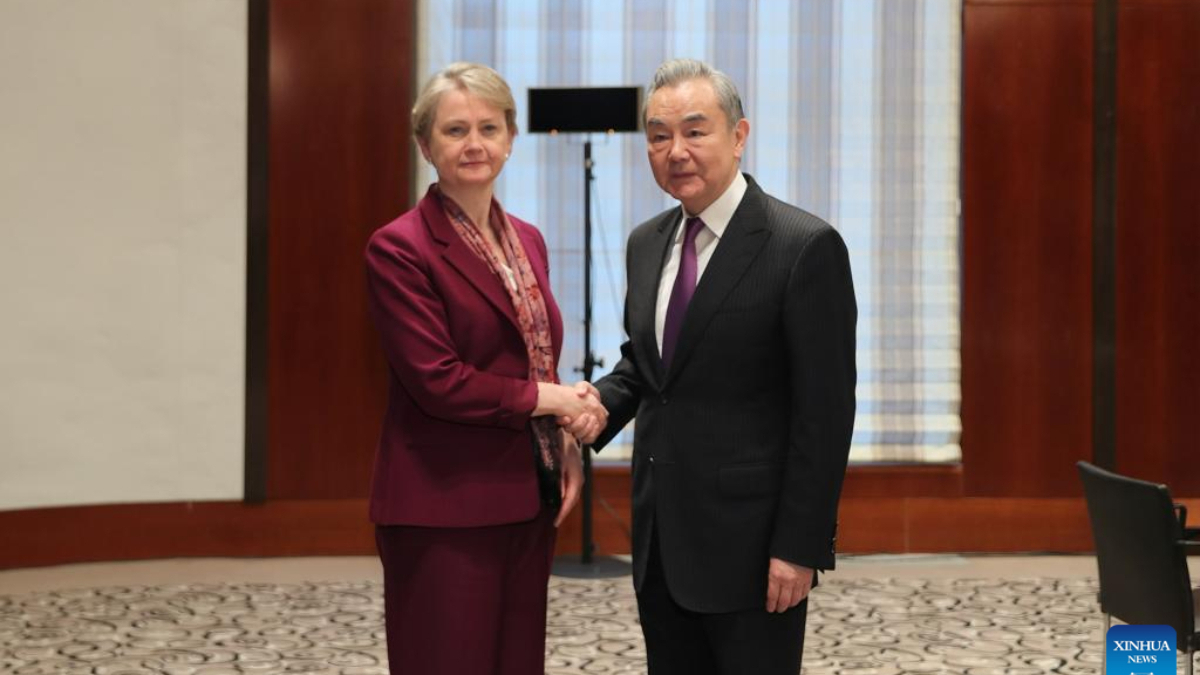
Britain's Foreign Secretary Yvette Cooper arrived in Beijing to meet China's top diplomat, Foreign Minister Wang Yi.
The two then held the China-UK Strategic Dialogue (a formal, high-level meeting between the two governments) for the 11th time, pledging to deepen cooperation and build a long-term partnership. It was a significant moment, not just for what was discussed, but for the fact that it happened at all.
Relations between China and UK cooled from around 2019 onwards - over disagreements on Hong Kong, arguments about Chinese technology companies being allowed into British infrastructure, and overall tensions that came with Britain aligning more closely with the United States on its approach to China. For a while, senior-level meetings like Tuesday's simply were not happening.
They started thawing after Prime Minister Keir Starmer visited China in January - the first visit by a British prime minister in eight years, where President Xi Jinping called for a new chapter in the relationship and both leaders agreed to build a long-term partnership.
Tuesday's meeting in Beijing is the follow-up to that in an effort to turn those promises into a real working agenda.
Wang Yi said the momentum from Starmer's visit had put the relationship on a new and positive path, with cooperation across different areas gradually getting back to normal.
He also pointed out that China's new five-year development plan lines up well with Britain's own economic priorities, and said both countries should take advantage of the opportunities that creates.
He added that China expects Britain to treat Chinese businesses fairly, a reminder that Beijing wants to see action, not just goodwill.
Cooper in response said Britain wanted to work more closely with China on trade, finance, energy, artificial intelligence and climate change.
Both sides also discussed the wars in Iran and Ukraine, and agreed to keep talking and managing their differences through dialogue rather than confrontation.
As for big announcements, there were none on Tuesday. No major trade deal was signed, no landmark agreement was announced.
Business groups in both countries however welcomed the talks as a positive sign, saying that predictability and open dialogue are exactly what companies need when planning long-term investment between the two countries.
For ordinary people in both Britain and China, the practical benefits of a warmer relationship with more trade, more investment, more cooperation on things like clean energy and technology will take time to show up.
But Tuesday's meeting in Beijing is a sign that both governments are headed in the right direction.
















What is your opinion on this topic?
Leave the first comment