Middle East crisis fuels global shift towards electric transport
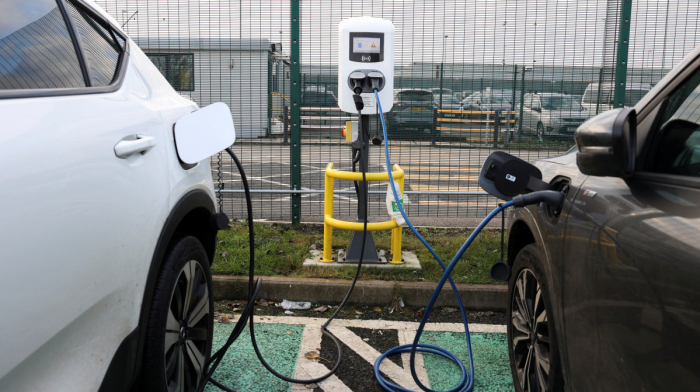
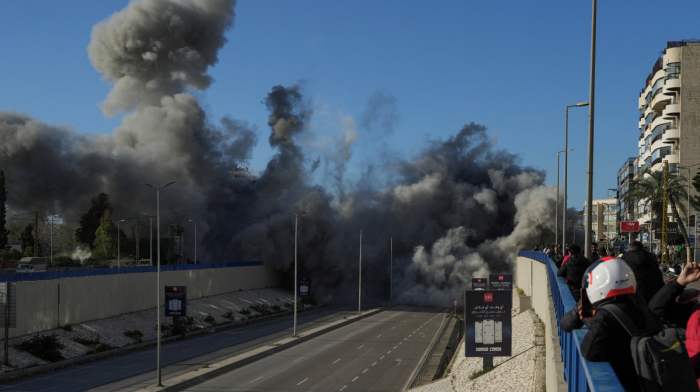
The Middle East crisis is reshaping transport choices worldwide, turning electric vehicles from a long-term climate goal into an immediate economic calculation.
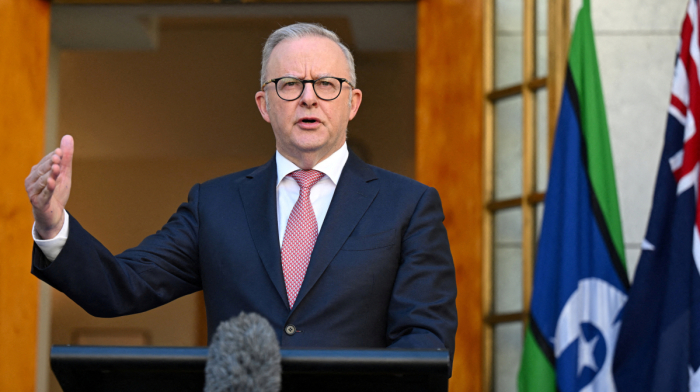
Australia and Singapore have agreed to deepen cooperation on energy security as global fuel markets come under strain from disruption linked to the conflict in the Middle East.
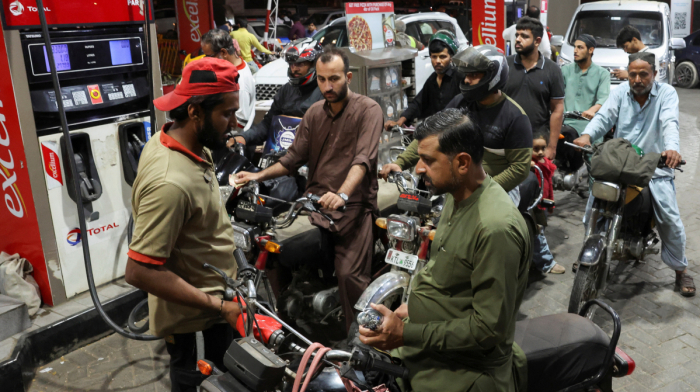
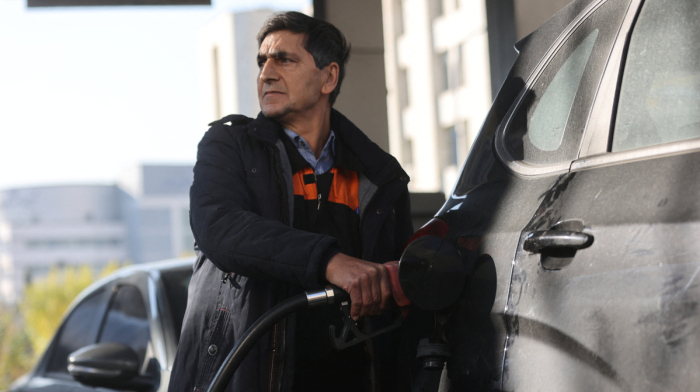
Residents in Pakistan say they are feeling "crushed" and have to put filling up the tank before putting food on the table. Diesel is set to rise by 55% and petrol 43% as the government hike prices for the second time in a month.
President Donald Trump said the United States could end its military attacks on Iran within two to three weeks and Tehran did not have to make a deal as a prerequisite for the conflict to wind down.
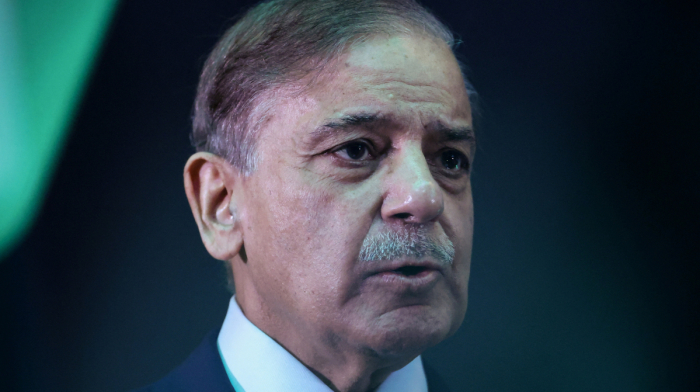
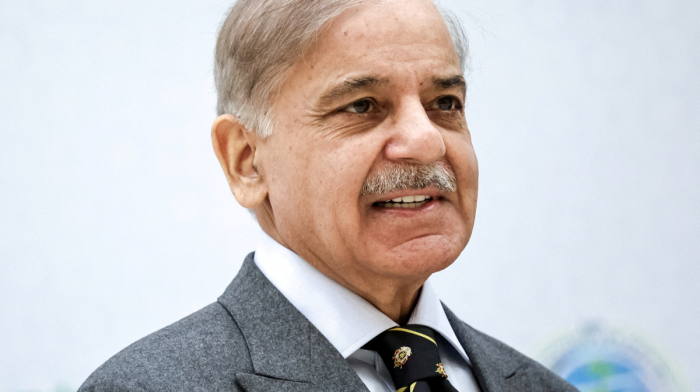
Pakistan Prime Minister Shehbaz Sharif has said his government will absorb a 56bn-rupee fuel subsidy to shield people from rising energy costs linked to the Middle East conflict.
Oil prices continue to fluctuate as a result of the conflict in the Middle East with Iran and the insecurity of ships sailing through the key Strait of Hormuz route. Iran has said it will target any ship linked to the U.S., Israel or their allies.
Schools across Pakistan are being forced to close for a fortnight from next week with government departments down to a four-day week, according to Prime Minister Shehbaz Sharif in a televised address to the nation.
You can download the AnewZ application from Play Store and the App Store.