live Trump says 'all-day negotiation' was held with Iran on Tuesday
U.S. President Donald Trump said there was an "all-day negotiation" on Tuesday with Iran, characterising the talks positively while also threatening t...
Pakistan Prime Minister Shehbaz Sharif has said his government will absorb a 56bn-rupee fuel subsidy to shield people from rising energy costs linked to the Middle East conflict.
In a televised address on Friday, Sharif said: "Today in Pakistan, the price of petrol should have been 544 Pakistani rupees per litre, but you are getting it for only 322 rupees."
He added that diesel prices were also being kept below market levels, saying they should have reached around 790 rupees per litre but were being sold at about 335 rupees.
Sharif said Pakistan was working "day and night" on diplomatic efforts to promote regional peace, alongside measures to protect the public from rising global oil prices.
Earlier in March, schools across Pakistan were forced to close for a fortnight and government departments shifted to a four-day week.
Pakistan imports most of its energy and has already raised petrol and diesel prices to record levels.
Brent crude is above $100 a barrel, while the Strait of Hormuz is effectively closed, delaying fuel shipments worldwide.
Earlier this month, Pakistan increased consumer prices for diesel and petrol, citing higher oil prices driven by the conflict in Iran. The move fed through into higher inflation and hit Pakistan’s poorest communities.
Recent footage from cities including Lahore and Karachi showed long queues at petrol stations, with motorcyclists lining up to refuel as prices rose.
Pakistan imports most of its oil from Saudi Arabia and the UAE through the Strait of Hormuz.

Start your day informed with AnewZ Morning Brief. Here are the top news stories for the 5th of August, covering the latest developments.
U.S. President Donald Trump said there was an "all-day negotiation" on Tuesday with Iran, characterising the talks positively while also threatening to hit Iran "really hard" if a deal was not reached.
Tehran had made plans to strike sites in Ukraine after Kyiv attacked an Iranian cargo ship in the Caspian Sea, a senior Iranian military adviser has said. Iran refrained from taking action after Kyiv said the strike was a mistake, Mohsen Rezaei told the state IRIB TV channel.
Start your day informed with AnewZ Morning Brief. Here are the top news stories for the 4th of August, covering the latest developments.
U.S. data analytics firm Palantir Technologies has reported a 93 per cent year-on-year jump in second-quarter revenue, even as the company faces continued criticism over its work with Israel's military and allegations linking its technology to the war in Gaza.a.
Iran says it is holding “positive” talks with Oman on reopening the Strait of Hormuz to shipping traffic, while an official source familiar with the negotiations has said an “agreement is within reach”.
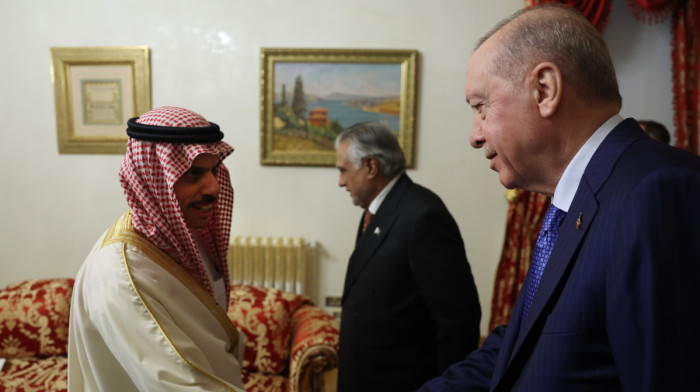
Top Arab and Muslim foreign ministers agreed at a meeting in Amman on Wednesday to establish a mechanism to document alleged Israeli violations in Jerusalem, urging coordinated international action to protect the city's religious sites.
Pakistan has stepped up flood preparedness after the World Meteorological Organization (WMO) warned that El Niño is expected to strengthen from August, increasing the risk of more extreme weather worldwide as monsoon rains continue across the country.
Afghanistan has launched a five-year national health strategy to strengthen healthcare services as the country faces severe funding shortages, rising humanitarian needs and mounting pressure on its health system.
At least 14 people have been killed and several others injured after lightning struck across the eastern Indian state of Jharkhand, highlighting the dangers of the country's annual monsoon season.
You can download the AnewZ application from Play Store and the App Store.
What is your opinion on this topic?
Leave the first comment