live Iran, U.S. make competing claims over control of Strait of Hormuz
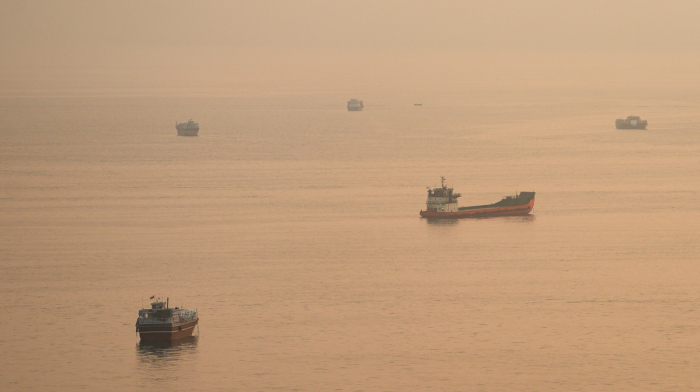
Iran says the Strait of Hormuz remains under its control, rejecting U.S. President Donald Trump’s claim of “total control” over t...
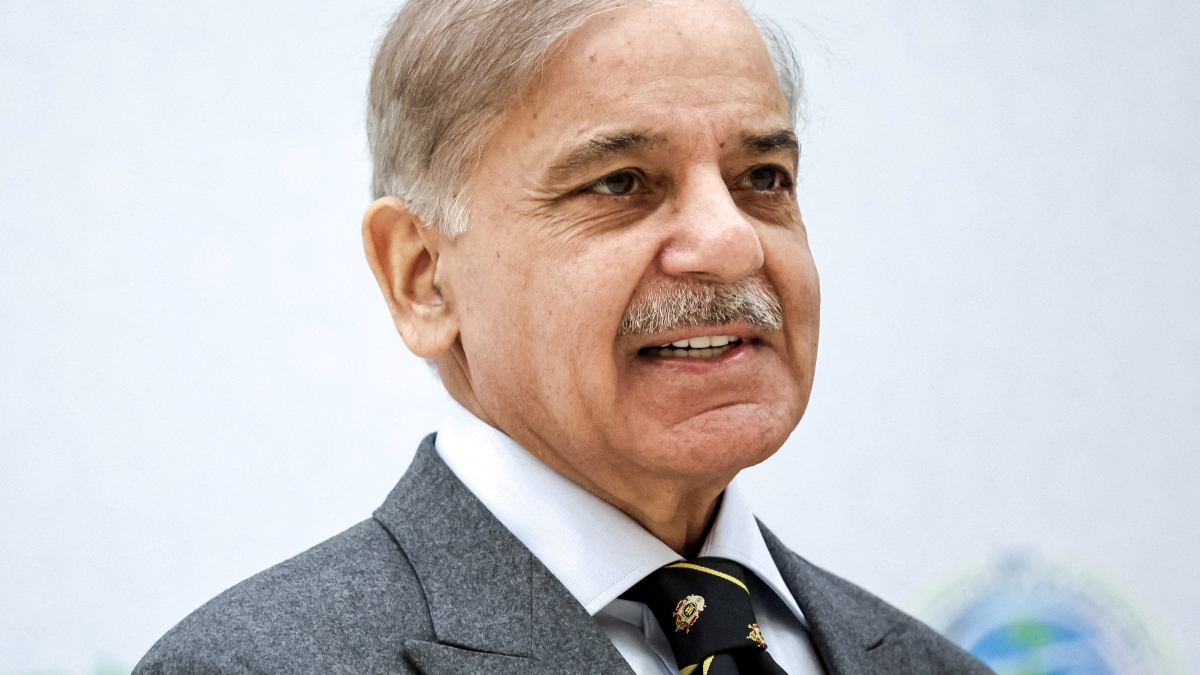
Schools across Pakistan are being forced to close for a fortnight from next week with government departments down to a four-day week, according to Prime Minister Shehbaz Sharif in a televised address to the nation.
Sharif says the rising oil prices as a result of the war could destabilise the economy and has ordered all university courses to be taught online and 50% of staff in offices to work from home.
Government departments are facing a 20% spending cut with bans on purchasing new air conditioners, vehicles and furniture until further notice. Fuel allowances for departments are also being slashed by 50% with other half of official vehices being taken off the road. Buses and ambulances are exempt from the restrictions.
Pakistan imports most of its energy and has already been forced to increase petrol and diesel prices to the highest on record.
Governments moved to act after fuel prices surged past $119 per barrel on Monday as uncertainties around the Strait of Hormuz squeezed global supplies.
Bangladesh also shut universities on Monday bringing forward the Islamic Eid holiday as it scrambled to conserve its electricity and fuel reserves.
In Pakistan's biggest city Karachi, Liaquat Mughal said the prime minister had taken timely action to "minimise the negative impact on our economy". Businesses warn that this has a bigger impact on households who are already struggling amid high inflation.
Shop worker Khizar Ali told Reuters "look, as soon as the school closures were announced, the entire market emptied out". This is a bookshop, uniform shops - all empty".
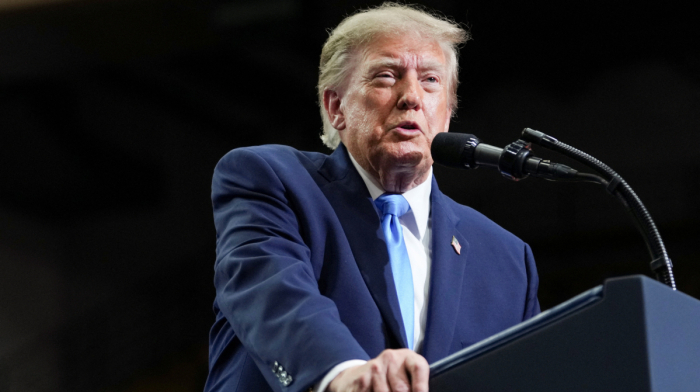
U.S. President Donald Trump who earlier said the oil price surge was a small price to pay for World safety and peace later threatened Iran with 'fire and fury' over closure of Strait of Hormuz causing fuel prices to drop as a result.
Pakistan's restrictions come as large public festivals and events still take place, drawing huge crowds.

Disruption in the Strait of Hormuz has increased the strategic importance of Bab al-Mandab, raising fears that instability in both waterways could trigger a wider global energy and trade crisis.
Iran and the United States remain at loggerheads over efforts to agree a permanent end to the war in the Gulf, according to a senior Iranian source who said there had been no progress in talks to revive the interim deal agreed in June and define a timeframe to implement it.
Millions of people across Spain and Iceland are preparing on Wednesday to witness a rare total solar eclipse, when the moon will pass directly between Earth and the Sun, briefly turning daylight into darkness along a narrow path.
Start your day informed with AnewZ Morning Brief. Here are the top news stories for the 12th of August, covering the latest developments.
Iran says the Strait of Hormuz remains under its control, rejecting U.S. President Donald Trump’s claim of “total control” over the strategic waterway and insisting it will not reopen until Washington fulfils its commitments under an interim deal.
Central Asia’s economy has surpassed $543 billion, driven by Kazakhstan’s economic weight, strong exports and foreign investment, while growing trade across Asia points to an increasingly connected region.
The United Nations refugee agency is planning a settlement and carpet-weaving workshop for Afghan returnees in Kabul as the country grapples with large-scale returns and growing pressure on housing, jobs and basic services.
Iran will soon join the New Development Bank (NDB), the lender established by BRICS nations, Central Bank Governor Abdolnaser Hemmati said in a state media report on Wednesday ahead of a BRICS finance meeting in India.
Azerbaijan's President Ilham Aliyev has outlined an expanded vision for the Zangezur Corridor, describing it not simply as a transport route connecting mainland Azerbaijan with the Nakhchivan exclave, but as a future platform for energy, telecommunications and wider regional integration.
Iran and Russia are seeking closer cooperation on arms control and Iran’s nuclear programme as the two countries deepen strategic ties amid heightened tensions with the U.S. and Israel.
You can download the AnewZ application from Play Store and the App Store.
What is your opinion on this topic?
Leave the first comment