U.S. Defense Secretary Pete Hegseth has urged Asian allies to increase military spending, warning of growing concern over China’s rapid military expansion and wider activities in the region.
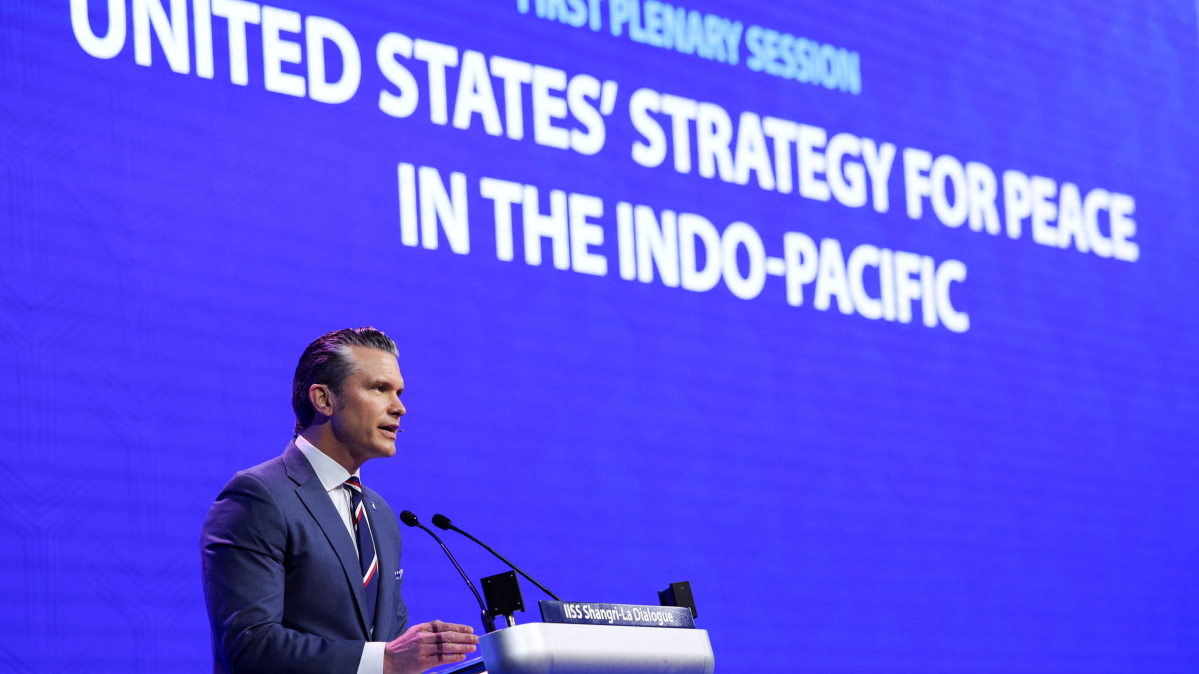
Speaking at the Shangri-La Dialogue in Singapore on Saturday, Hegseth said Washington wanted stronger and more self-reliant alliances to help deter aggression and maintain the balance of power in the Asia-Pacific.
“There is rightful alarm regarding China’s historic military buildup and the expansion of its military activities in the region and beyond,” he said.
Hegseth warned that no country, including China, should be allowed to dominate the Pacific or threaten the security and prosperity of the United States and its allies.
Allies urged to spend more
The Pentagon chief said the U.S. expects its Asian allies and partners to raise defence spending to 3.5% of GDP, while Washington plans to invest $1.5 trillion in its own military.
“Less Shangri-La, more ships, more subs,” he said, arguing that the region needed stronger defence capabilities rather than only security conferences.
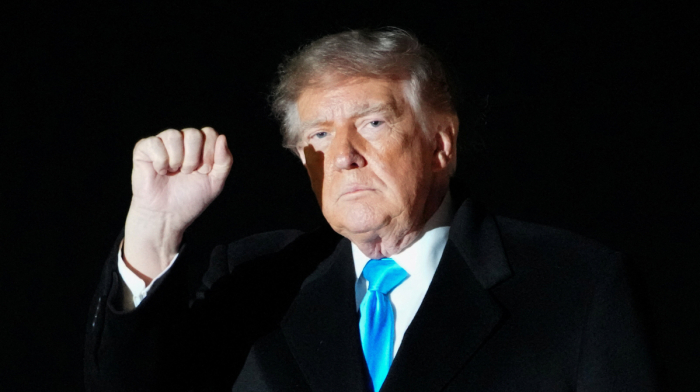
Hegseth also repeated President Donald Trump’s call for allies to take on a greater share of their own defence costs.
“The era of the United States subsidising the defence of wealthy nations is over,” he said, adding that Washington needed “partners, not protectorates”.
U.S.-China ties remain complicated
Despite his warning over China, Hegseth said U.S.-China relations were better than they had been in many years, pointing to more frequent military-to-military communication.
China’s defence minister skipped the Shangri-La Dialogue for a second consecutive year, sending a lower-level delegation instead. Beijing accused Hegseth last year of making “vilifying” remarks about China.
Taiwan and Iran also raised
On Taiwan, Hegseth said any decision on future U.S. arms sales would rest with Trump, but added that there had been no change in Washington’s position.
Taiwan has been waiting for the U.S. to approve a possible arms sale reportedly worth up to $14 billion.
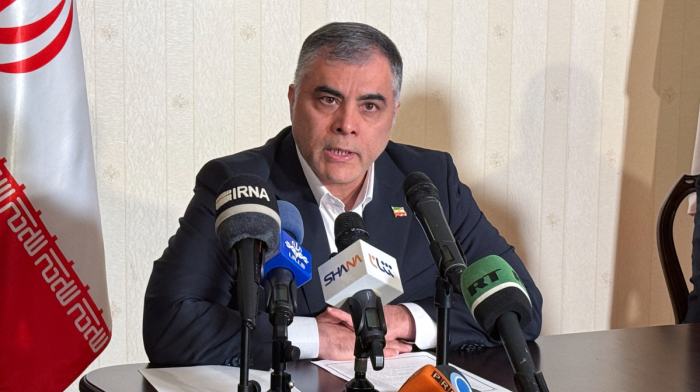
Hegseth also said the United States was ready to resume strikes on Iran if diplomacy failed, while insisting that the Middle East conflict would not distract Washington from its Asia-Pacific priorities.
“We can do two things at one time,” he said.















What is your opinion on this topic?
Leave the first comment