Competing narratives continue to shape perceptions of the war in Ukraine, with Russian leadership suggesting a possible end phase while Ukrainian officials warn of renewed large-scale attacks and ongoing escalation risks.
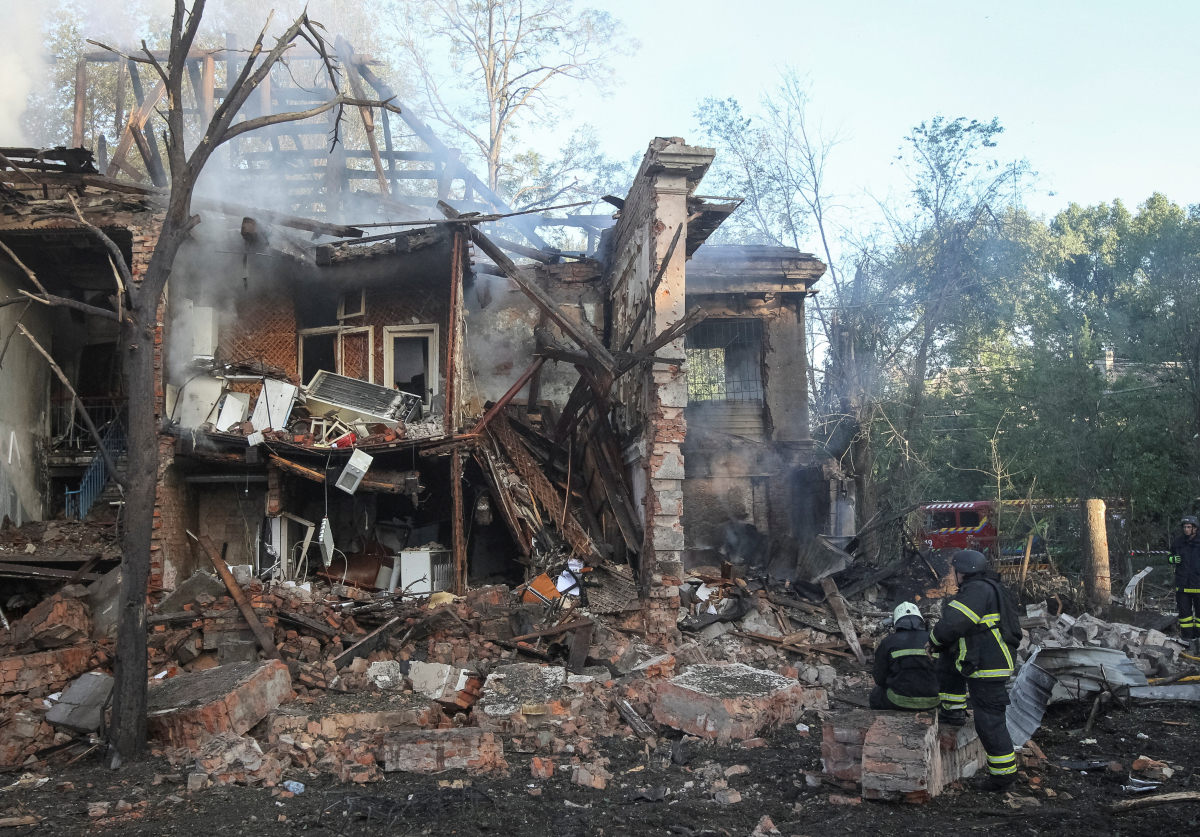
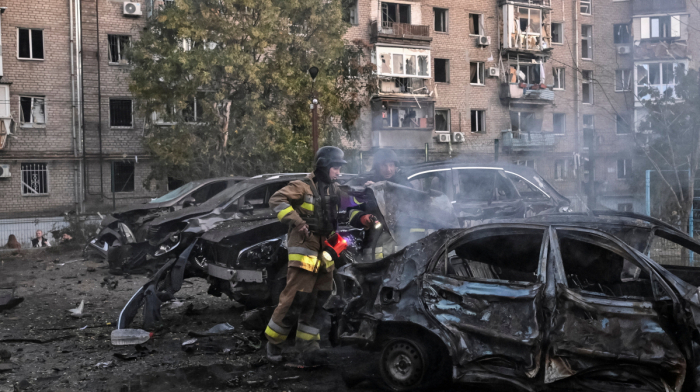
Retired Ukrainian officer Andriy Ordynovych told AnewZ that Russia continues to rely on cyclical combined strikes, involving both missile and drone systems.
“They are able to conduct major combined attacks every five to ten days,” he said, describing what he sees as a recurring operational rhythm.
Political messaging and strategic positioning
Ordynovych suggested that public statements about ending the war may reflect political strategy as much as battlefield reality.
“It is also about saving face politically,” he noted, arguing that economic strain and military costs are shaping how the war is presented domestically and internationally.
He pointed to broader structural factors, including energy revenues and industrial capacity, as key constraints shaping long-term strategy.
Western support and aid uncertainty
On international assistance, the analyst referred to Ukraine’s ongoing requests for additional air defence systems from the United States.
He said recent diplomatic contacts indicate continued bipartisan engagement:
“All of them have been very supportive to Ukraine,” he said, referring to U.S. congressional visits.
However, he acknowledged that final decisions on new deliveries remain pending, highlighting uncertainty in the pace of Western military support.
On nuclear risks, Ordynovych described the Zaporizhzhia nuclear plant as a “very serious threat to international security,” warning that its status under Russian control remains a major concern for global safety.
NATO spillover concerns and drone incidents
Ordynovych said repeated airspace violations, even when not formally escalated, increase the risk of miscalculation between Russia and NATO states.
“Such incidents should be taken seriously by NATO,” he said, calling for stronger deterrence measures.
He also warned that escalation in the war is increasingly affecting civilians, describing it as “closer to terrorist attacks than military operations,” and urged stronger international pressure through the UN, NATO and the EU to prevent further spillover beyond Ukraine.











What is your opinion on this topic?
Leave the first comment