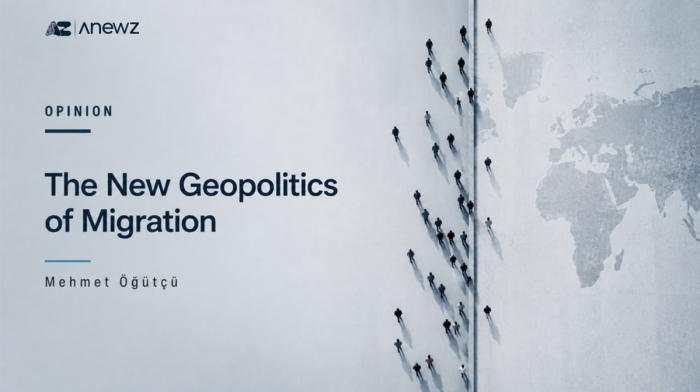
Are people crossing borders or becoming instruments in a new struggle for power?
Oil shaped the geopolitics of the 20th century. People may shape much of the geopolitics of the 21st.
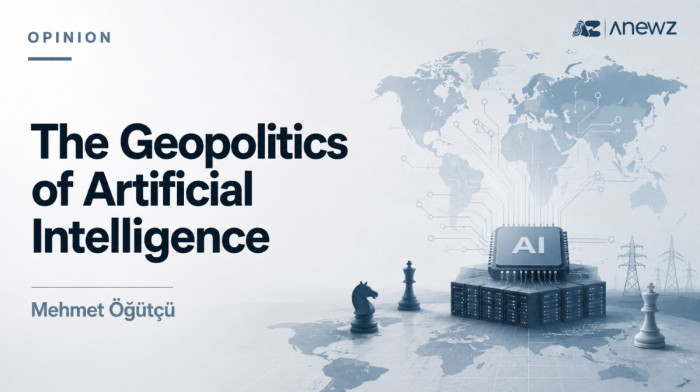
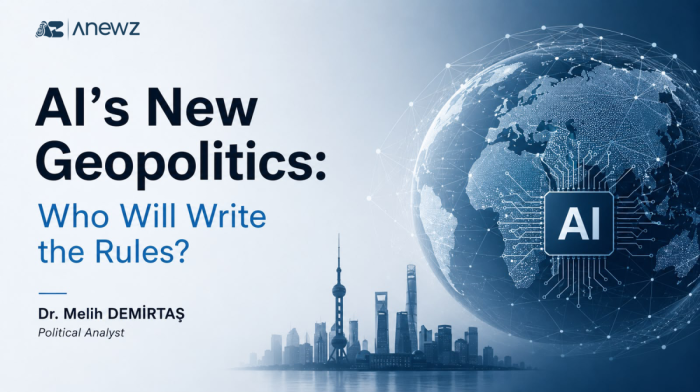
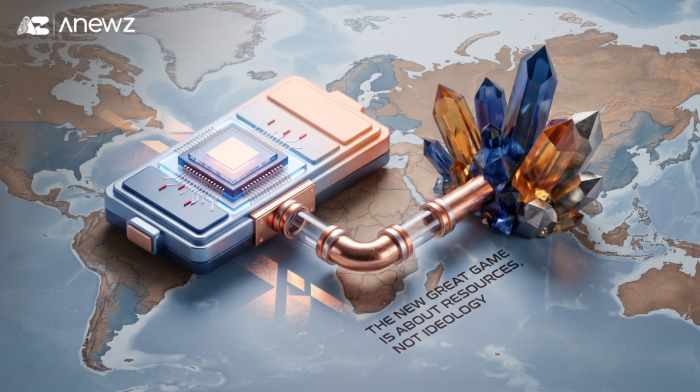
Artificial intelligence is transforming the foundations of global power. Strategic competition is no longer defined solely by territory, military strength or natural resources, but increasingly by computing power, semiconductors, energy and digital infrastructure.
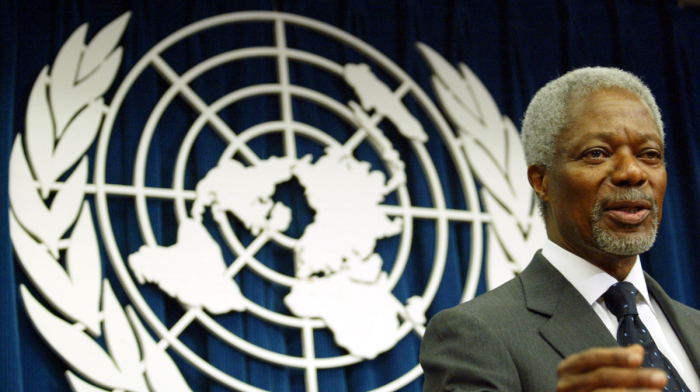
Since 1946, nine people have served as UN Secretary-General, the closest thing the world has to a chief diplomat. The role carries no army and little hard power, yet its occupants have shaped how nations respond to war, famine and global crises. Here are five who left the deepest mark.
Artificial intelligence is no longer merely a technological revolution. It is becoming one of the defining geopolitical contests of the 21st century.
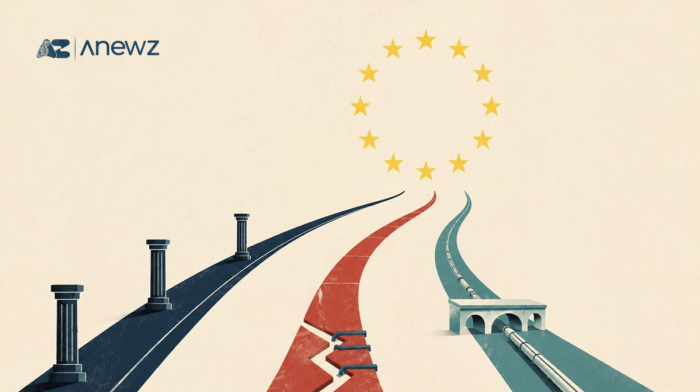
The European Union is facing a strategic problem. It wants influence beyond its borders, but enlargement has become slower, harder and more politically contested. The South Caucasus may be one of the first places where Europe learns how to manage that contradiction.
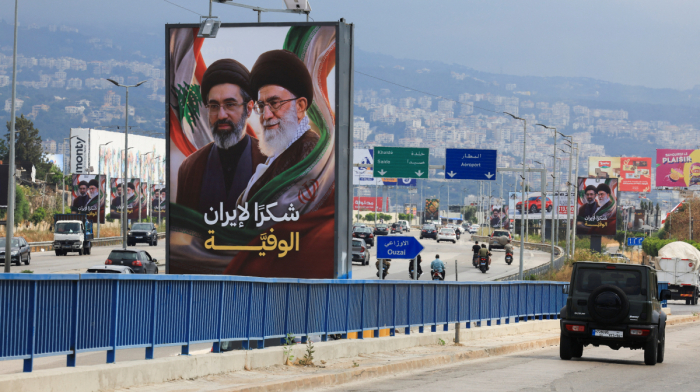
Lebanon heads into a new round of talks with Israel in Washington, seeking progress on key security issues and an Israeli withdrawal timeline. The negotiations, however, are being overshadowed by Iran's decision to fold Lebanon-related issues into its broader talks with the U.S.
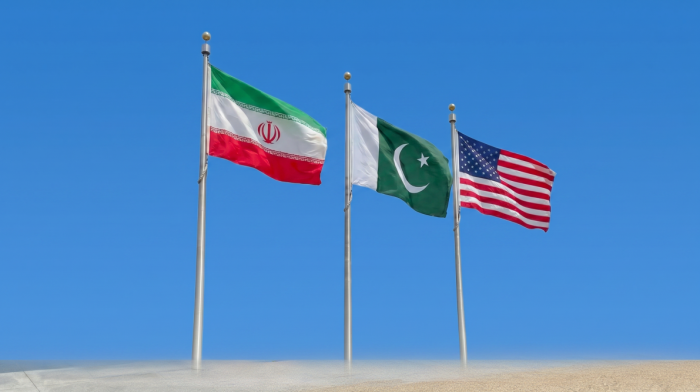
Pakistan has emerged as a key intermediary in U.S.-Iran diplomacy after months of shuttle talks, draft revisions and regional coordination involving Gulf states and China. An interim understanding has been reached, but officials warn the most difficult phase of negotiations still lies ahead.
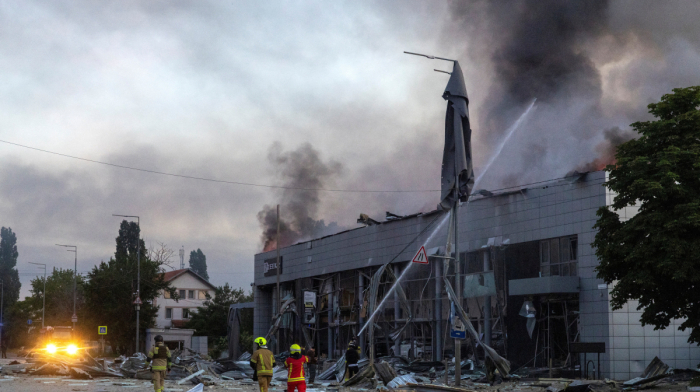
Competing narratives continue to shape perceptions of the war in Ukraine, with Russian leadership suggesting a possible end phase while Ukrainian officials warn of renewed large-scale attacks and ongoing escalation risks.
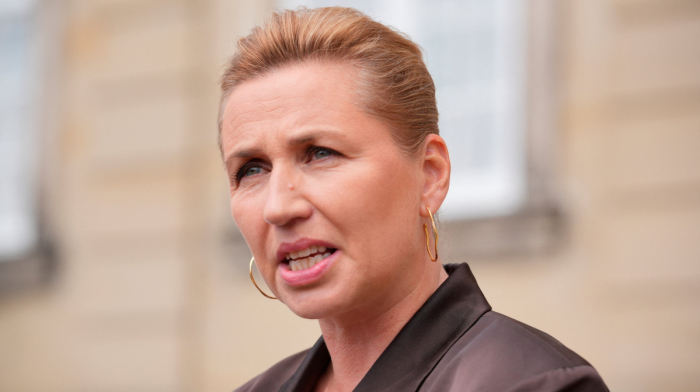
Denmark’s Social Democratic leader Mette Frederiksen said on Monday (1 June) she has agreed to form a new centre-left coalition government, securing a third consecutive term as prime minister amid heightened diplomatic tensions with the United States over Greenland.
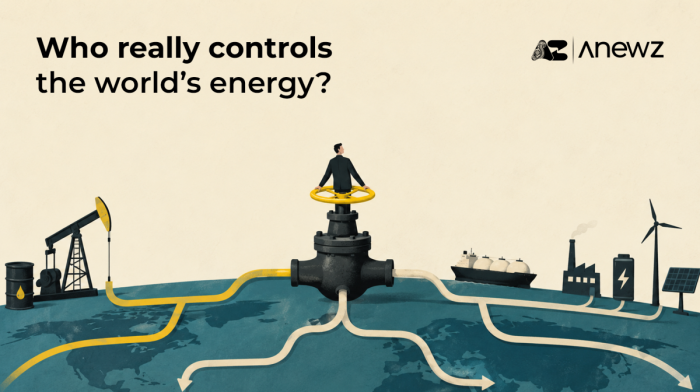
The world is entering a new era of geopolitical confrontation, driven less by ideology and more by control over energy, strategic resources, industrial technologies and global supply chains.
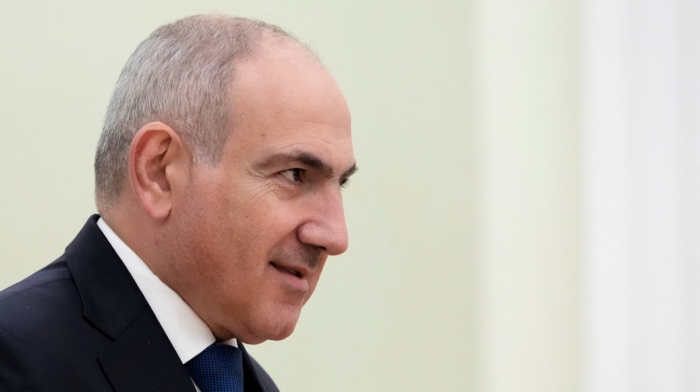
Armenia’s upcoming elections are emerging as a defining geopolitical test, amid growing debate over the country’s future direction between Russia and the West, rising regional pressure, energy dependence concerns and shifting security alliances.
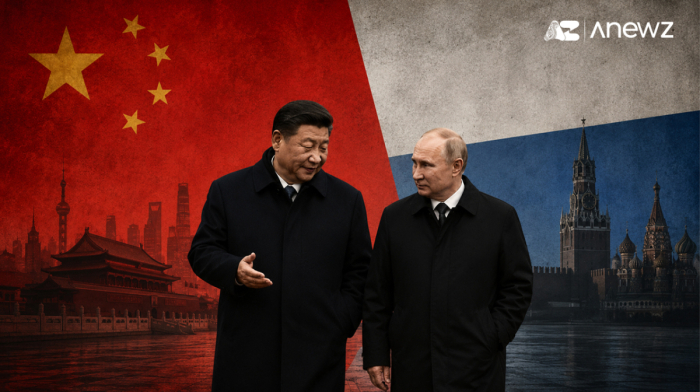
Russian President Vladimir Putin’s latest visit to Beijing appeared to be more than a routine state meeting between two strategic partners.
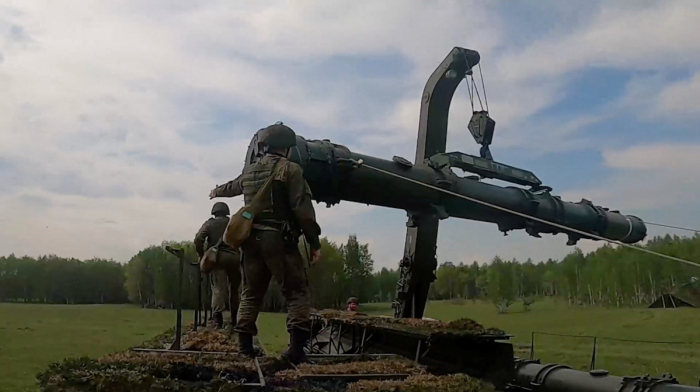
Russia delivered nuclear munitions to field storage facilities in Belarus as part of major nuclear drills, the Russian Defence Ministry said on Thursday.
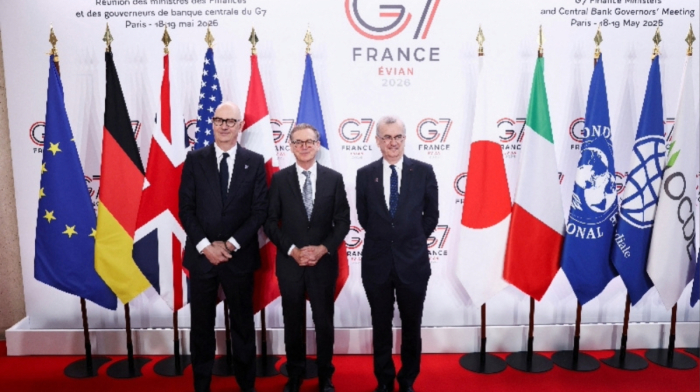
G7 finance ministers voiced growing concern over rising public debt and volatile bond markets as they met in Paris on Monday following a global sell-off driven by fears that the Iran conflict could fuel inflation.
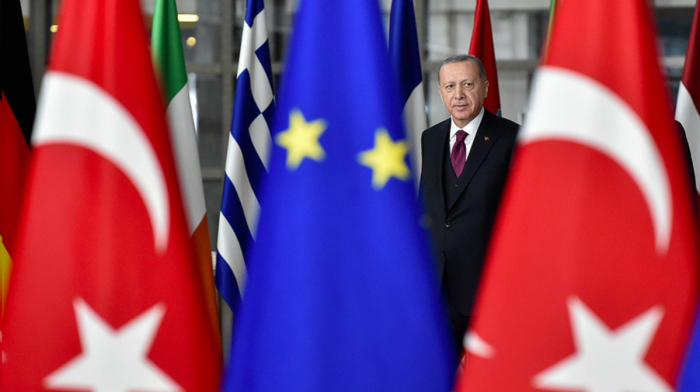
Türkiye’s President, Recep Tayyip Erdoğan, has called for stronger Türkiye-European Union relations, saying modernising the Customs Union is essential to closer integration amid shifting geopolitical and economic realities.
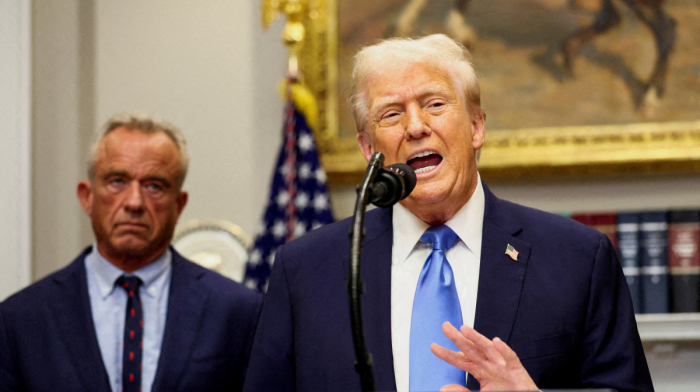
U.S. President Donald Trump signed an executive order on Friday broadening U.S. sanctions against the Cuban government, two White House officials told Reuters, as he seeks to put more pressure on Havana.
In the Gulf, U.S. military bases have long been central to regional security. But rising tensions and shifting global dynamics are prompting new questions about what they protect - and whose interests they serve.
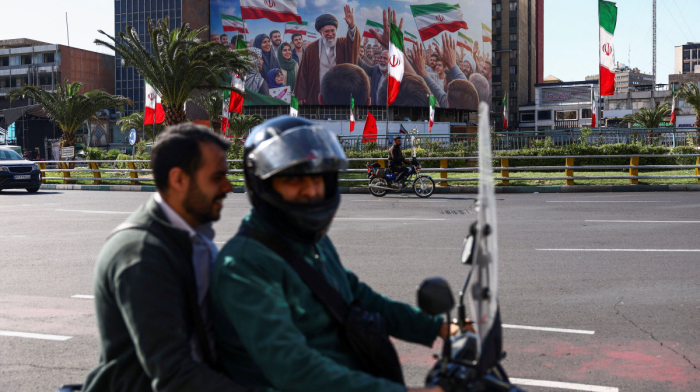
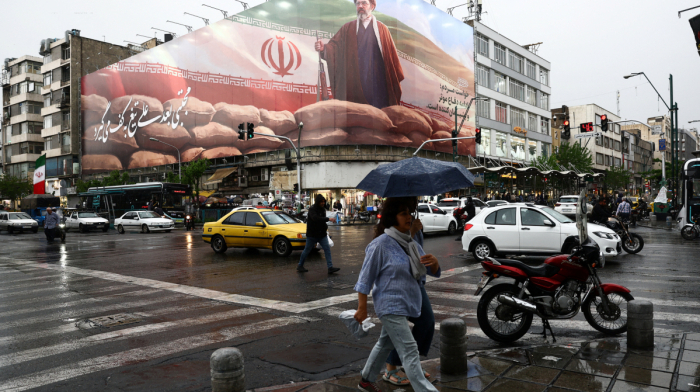
Iran’s leadership has presented a united front, rejecting claims of internal divisions amid continued tensions with the U.S. and Israel following a fragile ceasefire and stalled Iran–U.S. talks.
Iran’s Parliament Speaker Mohammad-Bagher Ghalibaf has ruled out a new round of negotiations with the U.S. in Islamabad on Tuesday “under shadow of threats.”
Serbia and Azerbaijan are accelerating their strategic partnership across energy, transport and diplomacy, amid growing regional and global uncertainty.
Central Asia’s energy systems are becoming increasingly vulnerable as countries depend heavily on single power sources while facing mounting climate pressures, a new report by the Eurasian Development Bank (EDB) warns.
The ongoing escalation in the Middle East involving the United States, Israel and Iran is not merely another episode in the long history of the region's crises. It is also a revealing illustration of Europe’s increasingly conflicted position within a rapidly transforming international order.
Journalist and International Affairs Commentator, Tom Gross, joined AnewZ from Tel Aviv to tell us why he thinks the attack happened now and whether this could mark the beginning of the end for the Iranian leadership.
You can download the AnewZ application from Play Store and the App Store.