U.S. Vice President JD Vance told Reuters on Monday (5 October) that Iran must make a “meaningful” reduction in its uranium enrichment capacity to satisfy U.S. demands and end the countries' seven-month war.
The Trump administration has sought to force Iran to denuclearise in slow-moving negotiations to end the conflict.
Below is a summary of what is known, and not, about the current status of Iran's uranium enrichment programme, which is at the heart of its nuclear infrastructure.
What did Iran have before the U.S. and Israel bombed it?
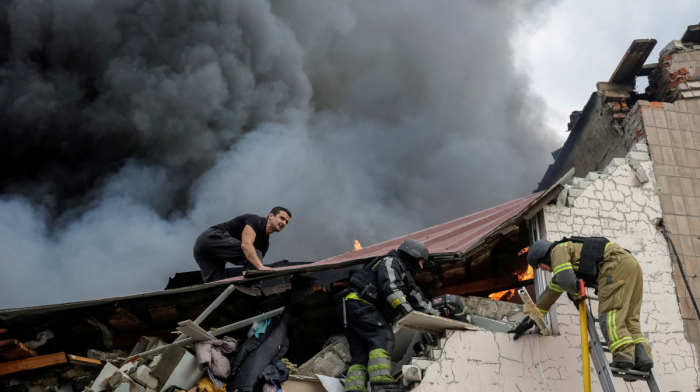
Israel launched airstrikes on Iran's nuclear facilities on 13 June last year, followed by the United States. In a 12-day campaign, they said they had destroyed or badly damaged the three uranium-enrichment facilities that were known to be operating in Iran at the time.
They argued that Iran was getting too close to being able to produce a nuclear weapon, but the United Nations nuclear watchdog, the International Atomic Energy Agency (IAEA), said it had no credible indication of a coordinated weapons programme.
However, the IAEA said Iran was enriching uranium to up to 60 per cent purity, a short step from the roughly 90 per cent of weapons-grade.
The IAEA, which had access to all Iran's declared nuclear sites, including its enrichment plants, until the U.S.-Israeli bombing campaign, estimates Iran had 440.9 kg of uranium enriched to up to 60 per cent when the first bombs fell.
No other country has enriched uranium to such a high level without producing nuclear weapons. The U.S. and its European allies say there is no civil justification. The IAEA said the enrichment level and quantity produced were of serious concern.
Iran has long held that it does not want and is not seeking to develop nuclear weapons.
What remains?
Iran has not told the IAEA how much of its enriched uranium survived the attacks or informed it of its whereabouts. It has also not let IAEA inspectors return to the bombed sites since they were attacked.
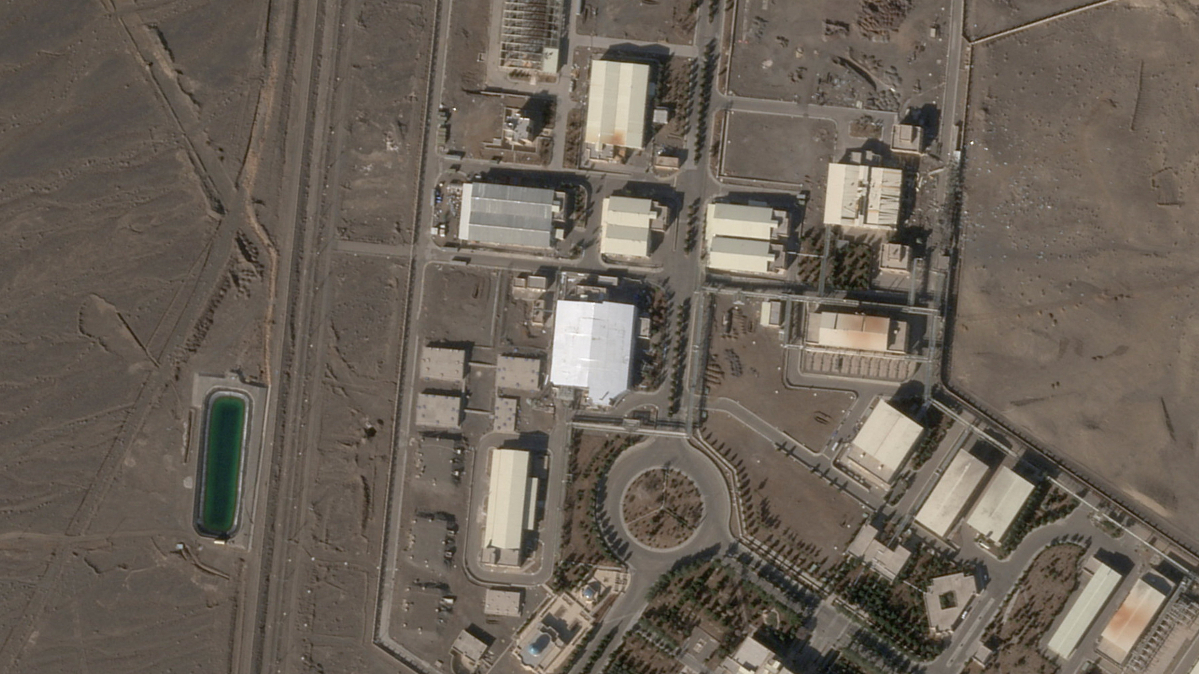
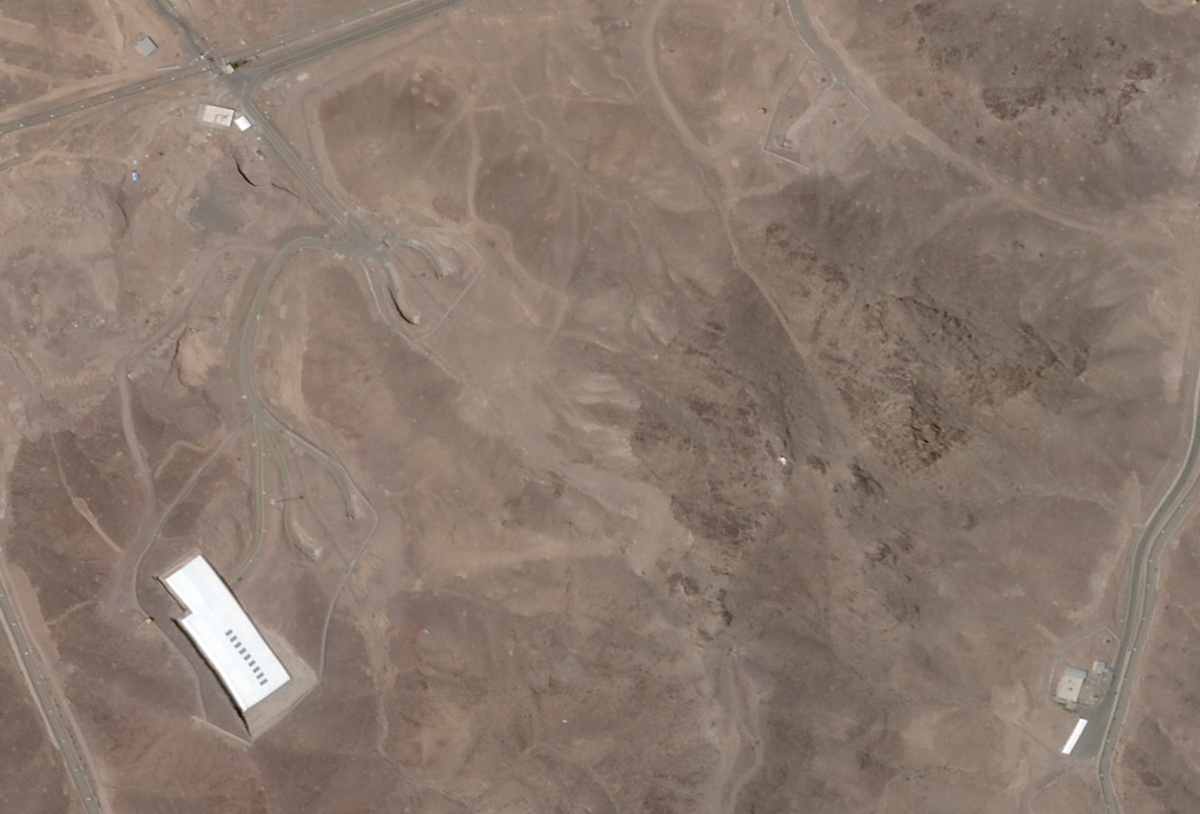
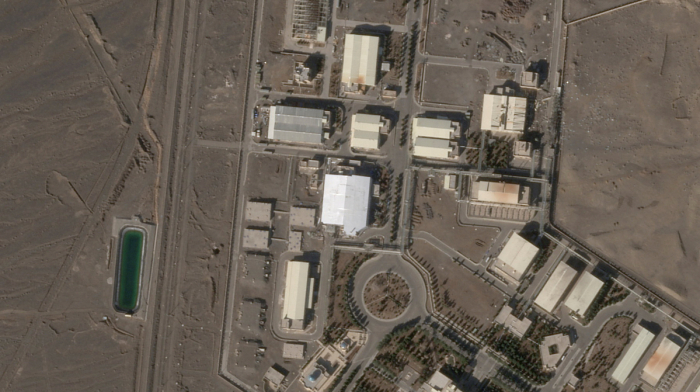
Of the three enrichment plants, the only above-ground one, at the sprawling Natanz nuclear facility, was destroyed, the IAEA has said. The other two, at Natanz and Fordow, were badly damaged and are widely believed to be out of action.
The day before Israel attacked, Iran informed the IAEA it was opening a new enrichment plant at Isfahan, which diplomats say is in a network of tunnels that appears largely unscathed by U.S. bombing. The IAEA says it does not know the status of that plant or whether it contains nuclear material.
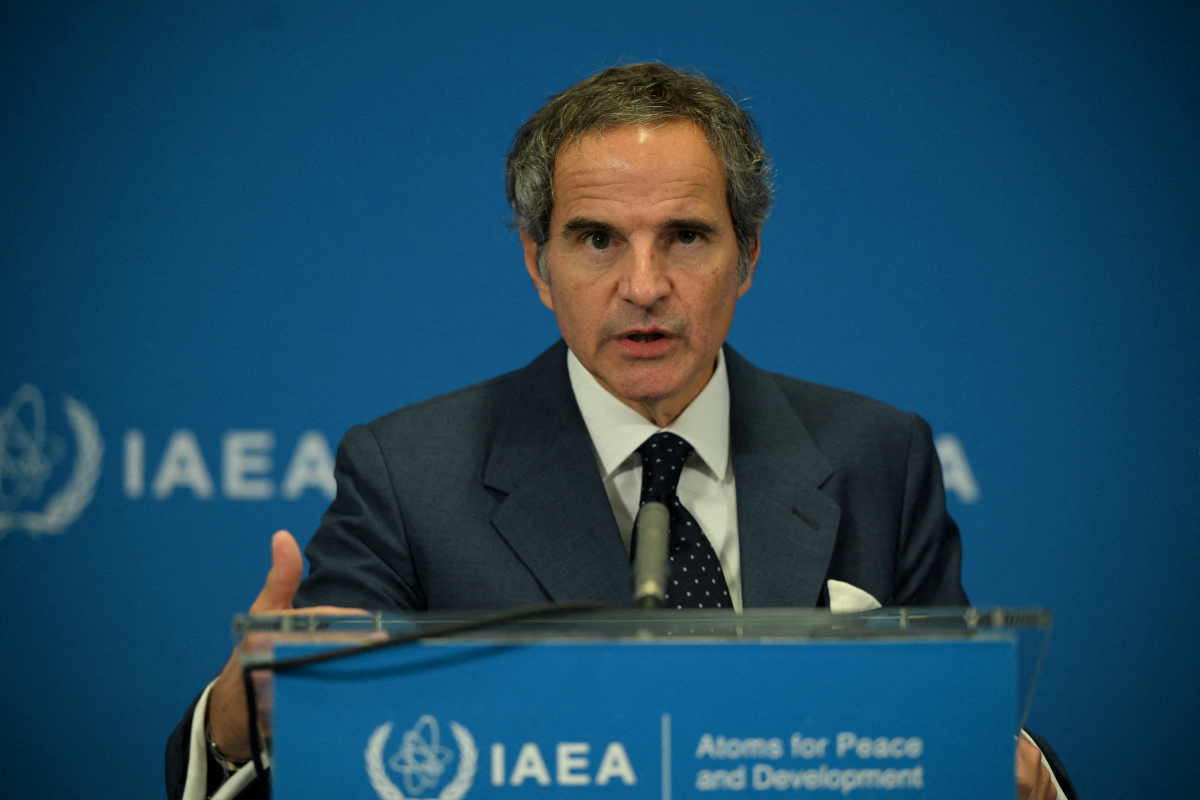
While some of Iran's enriched uranium will have been destroyed in the U.S.-Israeli strikes, IAEA chief Rafael Grossi said in March his agency believes “a bit more than 200 kg” of Iran's uranium enriched to up to 60 per cent remains in the tunnel complex at Isfahan, with some also still at Natanz.
Where does that leave Iran's enrichment capacity?
Not even Iran's arch-foe Israel alleges Iran is currently enriching uranium. How long it would need to restart is an open question, but as long as a significant portion of its 60 per cent stock remains, it could in principle enrich to weapons grade with relatively little effort and few machines known as centrifuges.
A 2015 deal between Iran and major powers gave the IAEA extra inspection powers, including oversight of the number of centrifuges and parts for them.
U.S. President Donald Trump's withdrawal from that deal in 2018 prompted its collapse, and the IAEA lost track of those machines. Their current number and whereabouts are unknown.
What did Vance say about Iranian enrichment?
In an interview with Reuters, Vance questioned why Iran had 60 per cent enriched uranium if it claims to not desire nuclear weapons. And he positioned meaningful reductions in “enrichment capacity” as a prerequisite to satisfying U.S. demands and ending the war.
“I think if they want to show a commitment to not building a nuclear weapon, they would do something meaningful on their enrichment capacity. So far, we haven't seen a long-term commitment to do that,” Vance said.
Given that Iran is not currently known to be enriching, any reduction is likely to be compared to its previous capacity, which was significant. A reduction could refer to purity, output, or the number of enrichment sites.
What does Iran say?
An unnamed senior Iranian official stated that U.S. recognition of Iran's right to nuclear enrichment is a red line on which Tehran will not show flexibility. While Western nations report that Iran's 60 per cent uranium enrichment exceeds levels necessary for civilian use, Iran consistently denies seeking nuclear weapons.
Iranian authorities, including atomic chief Mohammad Eslami and President Masoud Pezeshkian, have said that Tehran could agree to dilute its most highly enriched uranium.












What is your opinion on this topic?
Leave the first comment