Benjamin Netanyahu will meet Donald Trump in Washington on Wednesday, a date brought forward as indirect U.S.-Iran nuclear talks in Oman restart and Tehran presses its enrichment rights while ruling out missile negotiations.
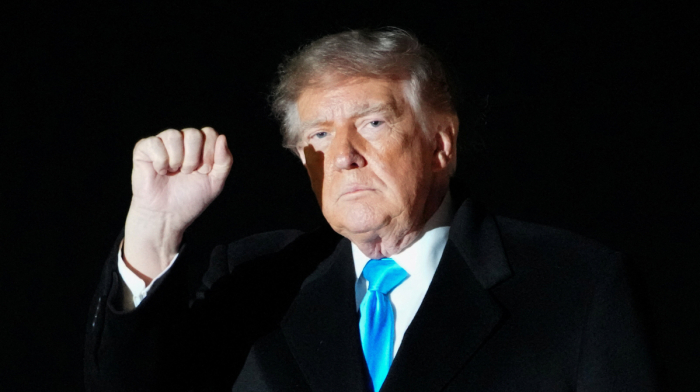
Israeli Prime Minister Benjamin Netanyahu is expected to meet U.S. President Donald Trump on Wednesday in Washington after the timetable for their planned 18 February encounter was advanced.
Netanyahu’s office did not elaborate on the change, but the shift comes as Iran and the U.S. return to indirect talks in Muscat.
Iranian and U.S. officials held a round of discussions on Friday in the Omani capital, with both sides saying further engagement was expected soon.
A regional diplomat briefed by Tehran said Iran insisted on its “right to enrich uranium” during the exchanges and that missile capabilities were not raised.
Iran’s stance unchanged on enrichment and missiles
Tehran has repeatedly ruled out putting its ballistic missile programme up for negotiation and maintains that enrichment is a sovereign right under the Non-Proliferation Treaty.
Iranian officials describe the missile arsenal as non-negotiable and central to national defence.
The regional diplomat said Iran conveyed the same position on Friday and voiced no willingness to extend the agenda beyond nuclear issues.
Tehran has one of the Middle East’s largest missile inventories and sees any external pressure on the programme as unacceptable.
Netanyahu to press for missile curbs
Netanyahu’s office said the prime minister wants the U.S. position to include “limitations on ballistic missiles and a halting of the support for the Iranian axis.”
Wednesday’s session will be the seventh meeting between Netanyahu and Trump since the U.S. president returned to office last year.
A spokesperson declined to comment on why the date was moved up, but Israeli officials have said the prime minister sees the current diplomatic window as critical for setting terms before further rounds with Iran begin.
Escalation last year shapes current talks
Last June, the U.S. joined an Israeli military campaign targeting Iran’s uranium enrichment and nuclear installations, marking the most direct American military action against the Islamic Republic.
Iran retaliated with a missile strike on a U.S. base in Qatar, prompting warnings from both Washington and Tel Aviv that they would act again if Tehran pressed ahead with advanced enrichment or missile development.
The U.S. and Israel have continued to caution Iran that further steps towards higher-grade enrichment or expanded missile production would cross declared red lines.
Regional fears of renewed confrontation
World powers and neighbouring states worry that a collapse in talks could trigger a broader confrontation between Iran and the U.S., with potential spillover across the oil-producing Gulf.
Tehran has warned that any strike would provoke a “harsh response” and has cautioned Gulf Arab states hosting U.S. bases that they could be exposed if involved in future military action.
The renewed diplomatic push in Oman now unfolds against this backdrop of risk, with both sides signalling cautious interest but deep mistrust over the scope and direction of the negotiations.
















What is your opinion on this topic?
Leave the first comment