live Hopes for Hormuz deal fade as Trump adds new demands to Iran peace talks
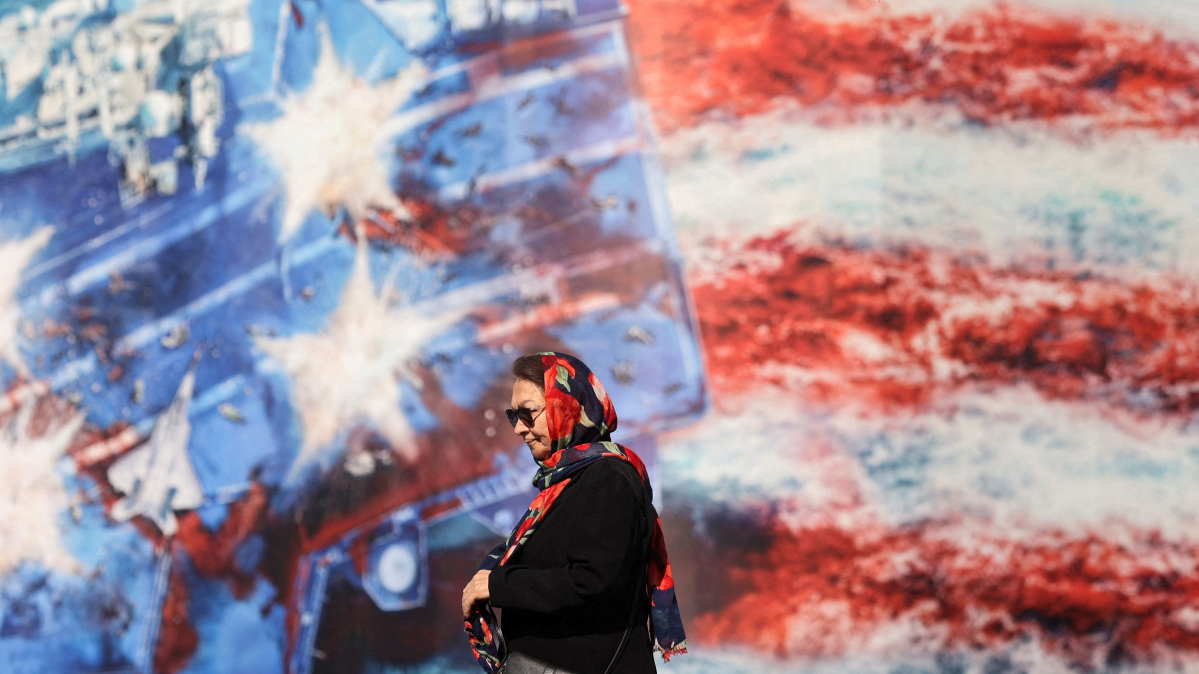
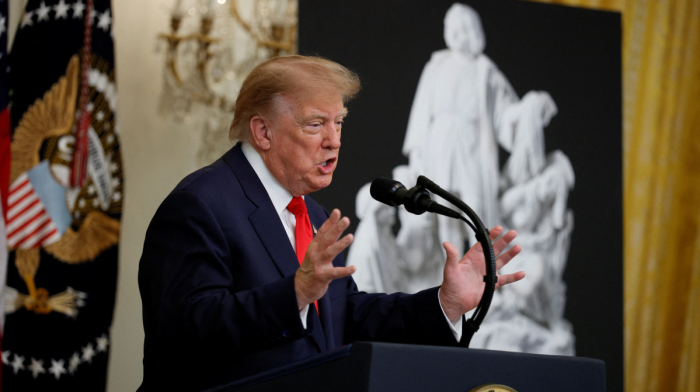
U.S. President Donald Trump has called for Iran to pay compensation for decades of deaths and damage, adding a new demand to peace talks as Tehran see...
Journalist and International Affairs Commentator, Tom Gross, joined AnewZ from Tel Aviv to tell us why he thinks the attack happened now and whether this could mark the beginning of the end for the Iranian leadership.
Gross said there were “two interests” behind the strikes. The first, he said, is “a defensive, a pre-emptive defensive attack by Israel and the U.S. to prevent the Iranians from being in a position where they pose a really serious threat, eventually a nuclear threat, to Israel, the U.S., and European allies”.
The second, he said, is that Trump is “honouring his promise to the Iranian people in January”, when the U.S. president said that “if you protest against the regime, we’ll have your back”. Gross added that Trump “essentially said, America will be with you”.
The central question now, Gross told AnewZ, is “what will the Iranian people do?”
Gross said the issue is whether this is “just a military strike” or “some kind of plan for the Iranian protesters to attempt to seize power” and prompt a leadership change.
Gross outlined three main possibilities. The first, he said, would be a short operation lasting only “a few hours”, after which Washington “will pose again the question to the Iranian regime, this is your chance, negotiate properly”, telling Tehran to address its nuclear and missile programmes before the campaign stops.
The second possibility is a longer effort, “until the regime in Iran crumbles”, depending on Tehran’s reaction and internal stability. While the third possibility, which Gross compared to a Venezuela-style shift, involves someone inside Iran’s power structure moving to redirect the country away from confrontation. He said the U.S. could accept such a figure if it changed course, noting Trump would “probably be OK with that”.
He said “there will not be any ground troops” and that the outcome “will be up to the Iranian people”. Gross added that “up to one-third of American naval forces are essentially surrounding Iran”, underscoring the pressure behind these scenarios.

One hundred years after the First World War and more than eighty years after the devastation of the Second World War gave rise to the United Nations, humanity once again finds itself living in an age of permanent crisis.
Flights arriving at Catania airport in eastern Sicily were suspended after volcanic ash from a new eruption of Mount Etna drifted into the airspace around the airport, disrupting operations at one of Italy’s busiest aviation hubs.
For months, efforts to secure the Red Sea have focused on what is happening in the water. Naval deployments have increased, governments have expanded maritime cooperation and shipping companies have adapted to persistent security threats.
Greenland has issued a “strong warning” to a U.S. oil company linked to President Donald Trump after drilling equipment was brought ashore without the required government approvals, according to British media.
Iran said it was nearing a final pact with Oman defining new shipping lanes between them through the Strait of Hormuz but repeated that the U.S. must meet other conditions.
As Russian officials praise Georgia’s “pragmatic” approach towards Moscow, Prime Minister Irakli Kobakhidze has explained why he will not describe Russia as an “enemy”.
Kazakhstan has begun building the Beineu-Saksaulsk highway, a new Middle Corridor link expected to shorten freight journeys between China and Europe by around 1,000 kilometres and reduce delivery times by up to three days.
Russia has welcomed what it describes as a shift in Georgia’s approach to the August 2008 war, praising statements that place responsibility for the conflict on former President Mikheil Saakashvili and his government.
Uzbekistan has secured preferential tariffs for fertiliser and petroleum product shipments through Kazakhstan’s Kuryk port to Georgian ports, as Uzbek cargo volumes across the Caspian continue to rise.
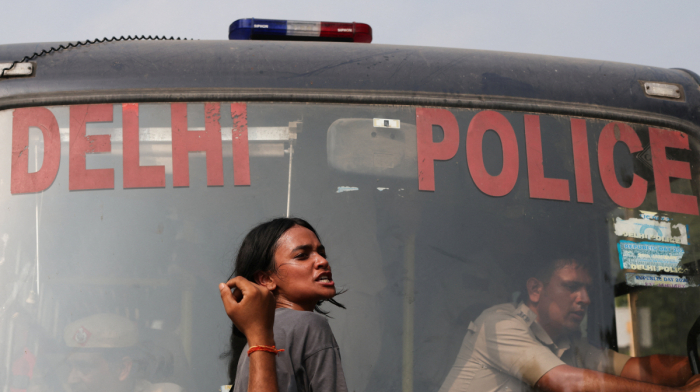
Police in eastern India used tear gas, batons and water cannon on Monday to disperse thousands of young protesters marching on the Jharkhand state legislature over alleged irregularities in civil service examinations.
You can download the AnewZ application from Play Store and the App Store.
What is your opinion on this topic?
Leave the first comment