President Trump says Iran really wants to make a deal with the U.S.
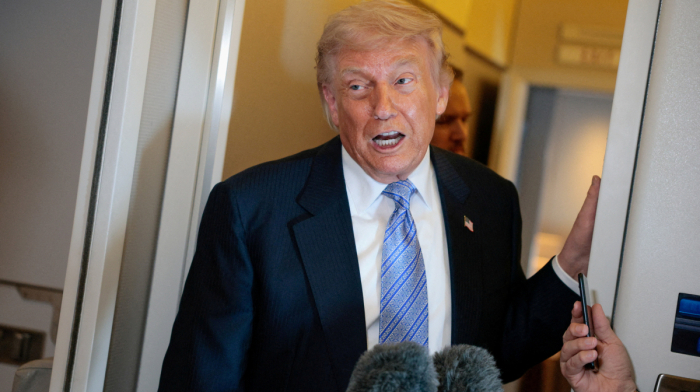
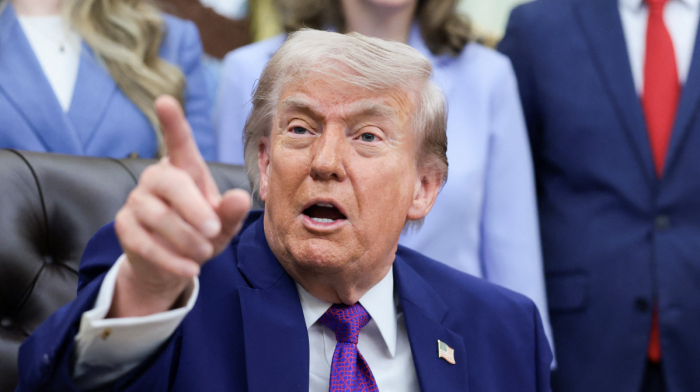
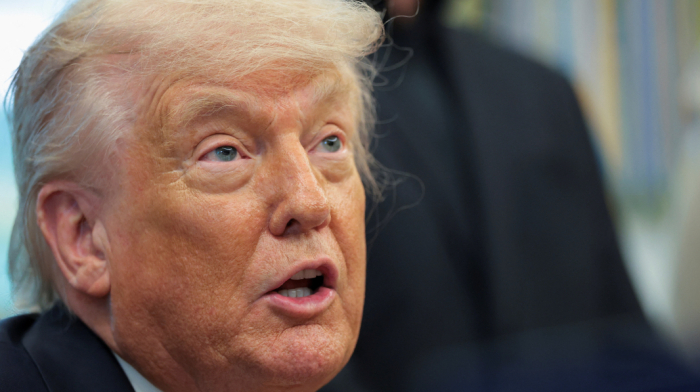
Iran really wanted to make a deal with the U.S. and that it would be a good one for Washington and its allies, President Donald Trump said on Monday.
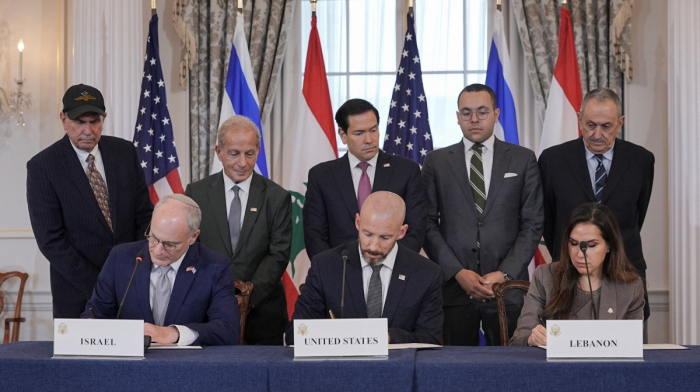
U.S. Secretary of State Marco Rubio has held talks with Lebanese President and Israeli Prime Minister on efforts to ease tensions between Israel and Lebanon. According to a U.S. official, Washington has proposed a plan aimed at achieving a gradual de-escalation of hostilities.
U.S. President Donald Trump on Monday dismissed Iran’s response to a U.S. peace proposal as a “stupid proposal,” saying Tehran failed to commit to abandoning its pursuit of a nuclear weapon, while warning the fragile ceasefire was on “massive life support”.
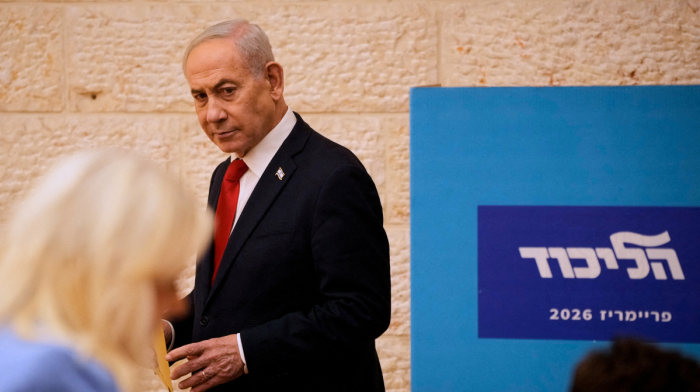
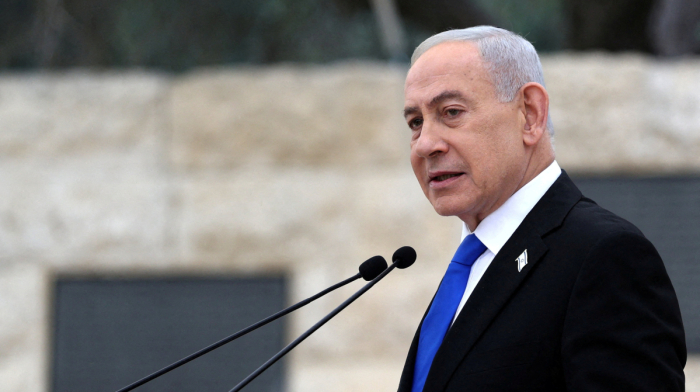
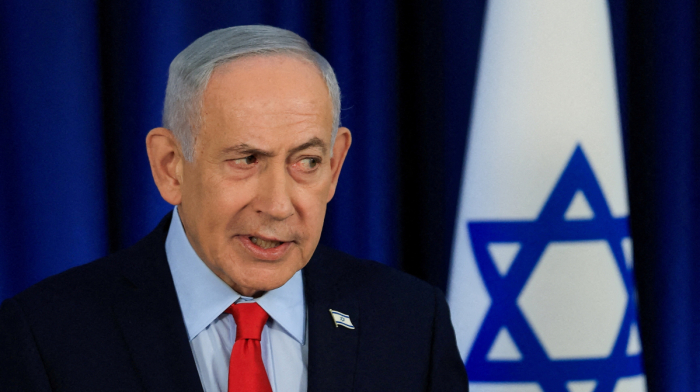
Israeli Prime Minister Benjamin Netanyahu said Israel aims to eventually end its reliance on U.S. financial military support within the next decade. The decision signals a long-term shift in the country’s defence policy as it seeks to deepen ties with Gulf states.
President Donald Trump's swift rejection of Iran's response to a U.S. peace proposal sent oil prices surging higher on Monday amid concerns the 10-week-old conflict will drag on, keeping shipping through the Strait of Hormuz paralysed.
Efforts to end the U.S.-Iran war appeared to stall as the two sides exchanged fire in and around the Strait of Hormuz. A reported CIA assessment suggested Tehran could withstand a U.S. naval blockade for months despite mounting sanctions and renewed Gulf attacks.
The U.S. and Iran exchanged fire in and around the Strait of Hormuz, though both sides signalled they did not want escalation. The clashes come as Washington awaits Tehran’s response to a proposed deal to end the war while leaving key disputes, such as Iran’s nuclear programme, unresolved for now.
The U.S military said it carried out retaliatory strikes on Iran on Thursday (7 May). Meanwhile, Iran's Joint Military Command accused the U.S. of breaching the ceasefire, by striking an Iranian oil tanker in the Strait of Hormuz and launching attacks on several Iranian cities.
U.S. President Donald Trump said that Iran wanted to negotiate and make a deal in comments to reporters on Wednesday (6 May). But earlier, he warned Washington would ramp up attacks if no agreement was reached.
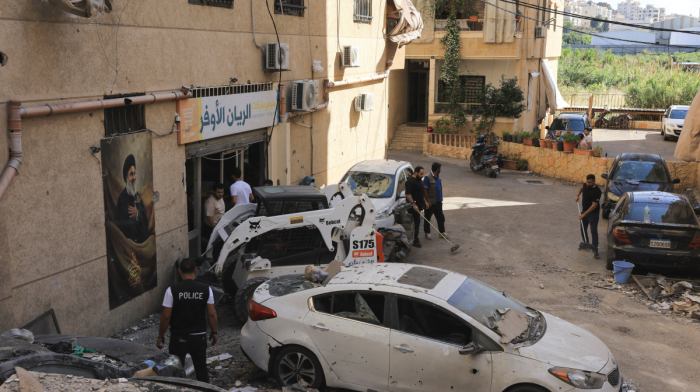
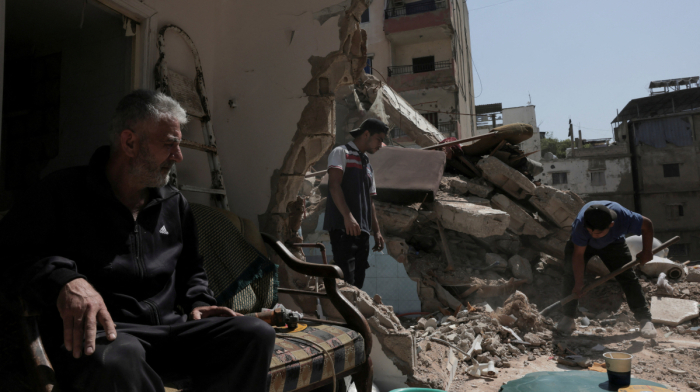
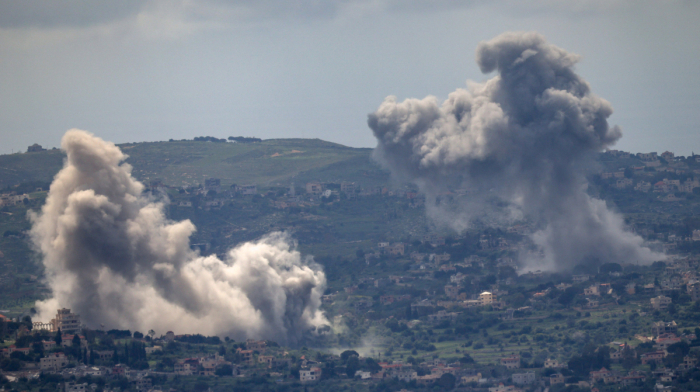
Tensions along the Israel-Lebanon border are intensifying as Israeli strikes push deeper into the Bekaa Valley, fuelling fears of wider escalation despite a fragile U.S.- and UN-brokered ceasefire.
The U.S. Navy has forcibly intercepted and boarded the Iranian cargo ship TOUSKA in the Gulf of Oman after it attempted to breach the ongoing naval blockade. President Trump confirmed that the vessel was neutralised and seized by Marines following a direct strike on its engine room.
Israel has reprimanded Spain’s most senior diplomat in Tel Aviv after a giant effigy of Prime Minister Benjamin Netanyahu was blown up in a Spanish town.
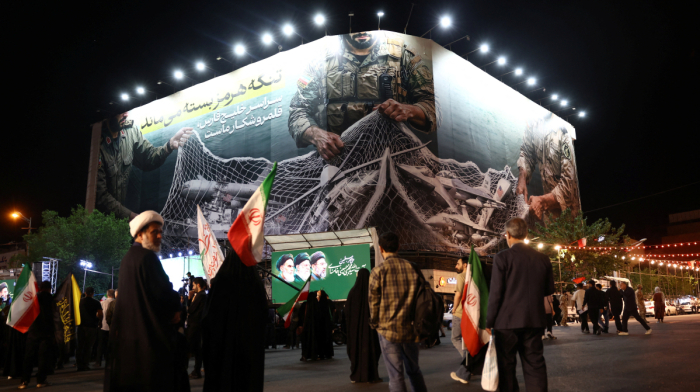
Caricatures of U.S. President Donald Trump and Israeli Prime Minister Benjamin Netanyahu are on display in a metro station in downtown Tehran. The cartoons mock the two leaders for what Tehran says is their failure in waging a war on Iran.
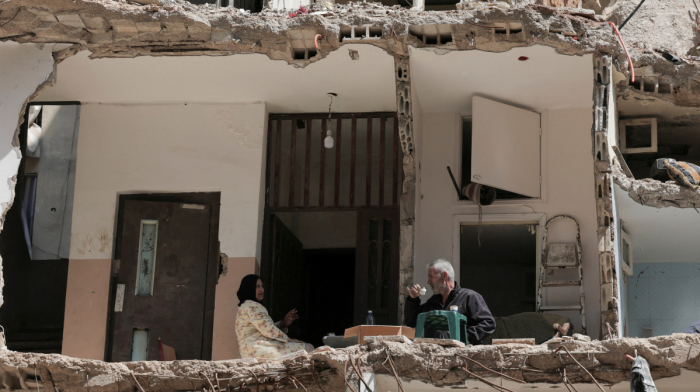
Israel pounded Lebanon with its heaviest strikes yet on Wednesday, killing hundreds of people and drawing a threat of retaliation from Iran, which suggested it would be "unreasonable" to proceed with talks to forge a permanent peace deal with the United States.
Fears of wider escalation grow despite President Donald Trump saying U.S. strikes on Iran could end within weeks. Meanwhile missile attacks, tanker incidents and rising casualties across Israel, Lebanon and the Gulf heighten risks to regional stability and energy routes.
Start your day informed with AnewZ Morning Brief. Here are the top news stories for the 13rd of March, covering the latest developments you need to know.
Officials in Azerbaijan have said they have stopped terror attacks in Azerbaijan including on an Israeli Embassy, the Baku-Tbilisi-Ceyhan pipeline and a Synagogue. Tensions between regional and global powers escalate. Military activity, security alerts and travel disruptions continue.
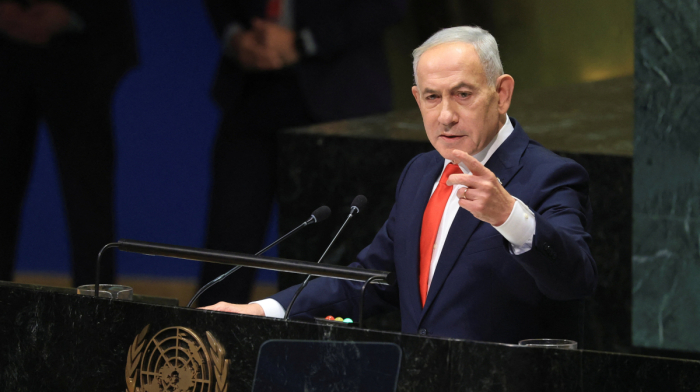
Israeli Prime Minister Benjamin Netanyahu said on Monday that the U.S. and Israel's war against Iran may take "some time" but it will not take years.
The Middle East crisis intensifies after the deadly attack on the compound of the Supreme Leader of Iran Ali Khamenei on Saturday that killed him, other family members and senior figures. Iran has launched retaliatory strikes on U.S. targets in the region.
Journalist and International Affairs Commentator, Tom Gross, joined AnewZ from Tel Aviv to tell us why he thinks the attack happened now and whether this could mark the beginning of the end for the Iranian leadership.
Indian Prime Minister Narendra Modi arrived in Israel on Wednesday for a two-day visit, becoming the first Indian premier to address the Knesset. He praised the “vital” India–Israel ties and reaffirmed solidarity amid regional tensions.
Türkiye has signalled readiness to contribute to a proposed Gaza stabilisation force during the inaugural Board of Peace meeting on Thursday (19 February), but according to former Turkish diplomat Mehmet Öğütçü, the decisive factor will be whether Israel and the United States agree on Ankara’s role.
Israel is preparing for the possibility of receiving a green light from the United States to launch strikes against Iran’s ballistic missile system, according to Israel’s public broadcaster KAN.
Iran’s Supreme National Security Council Secretary Ali Larijani said the United States could evaluate its own interests separately from those of Israel in ongoing negotiations between Tehran and Washington.
You can download the AnewZ application from Play Store and the App Store.