Israeli Prime Minister Benjamin Netanyahu said Israel aims to eventually end its reliance on U.S. financial military support within the next decade. The decision signals a long-term shift in the country’s defence policy as it seeks to deepen ties with Gulf states.
In an interview aired on CBS News’ "60 Minutes”, Benjamin Netanyahu said he wants to “draw down to zero” the American financial component of military cooperation, adding that it is “absolutely” the right time to reset the relationship.
"I don't want to wait for the next Congress," he said.
“I want to start now,” Netanyahu said, noting that Israel receives around $3.8 billion in annual U.S. military aid under a $38 billion package covering the 2018-2028 period.
Political climate
Israel has long enjoyed bipartisan support in Washington for military assistance, but backing has weakened since the war in Gaza began in October 2023.
Netanyahu’s comments come amid a broader decline in U.S. public approval of Israel.
Sixty percent of U.S. adults have an unfavourable view of Israel, and 59% had little or no confidence in Netanyahu to do the right thing regarding world affairs, according to a Pew survey conducted in March. Both percentages were up seven percentage points from a year earlier.
He linked the shift in sentiment partly to social media dynamics, saying online platforms had “correlates almost 100% with the geometric rise of social media” in changing perceptions of Israel, and alleged that some countries had manipulated information flows.
However, he said he does not support censorship.
Regional tensions
Netanyahu also addressed the ongoing conflict involving Iran, which escalated into war on 28 February when Israel and the United States launched military action against Tehran.
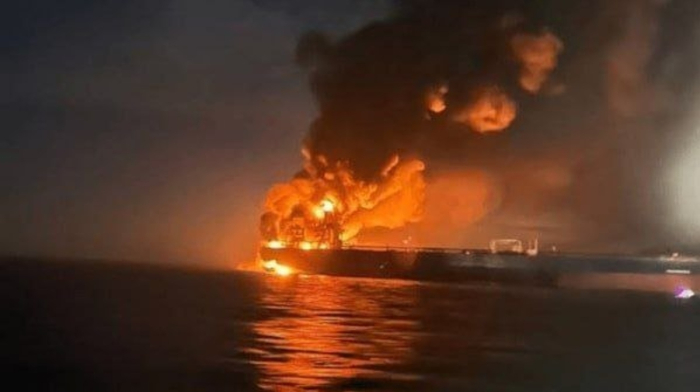
He said the conflict had revealed previously underestimated risks, including Iran’s ability to disrupt shipping through the Strait of Hormuz, a key global energy route.
A significant share of global oil flows through the strait, and disruptions have contributed to volatility in energy markets since the war began.
Iran’s regional network
Netanyahu declined to provide details on Israel’s military planning in Iran but suggested that weakening Tehran’s leadership could have far-reaching consequences for its regional allies.
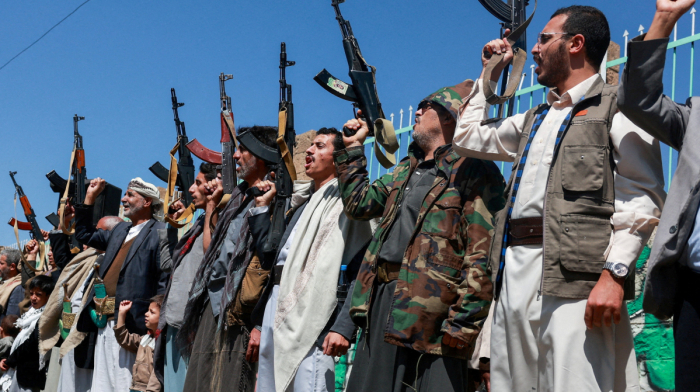
“If this regime is indeed weakened or possibly toppled, I think it’s the end of Hezbollah, it’s the end of Hamas, it’s probably the end of the Houthis,” he said, referring to Iran-aligned armed groups across the Middle East.
He added that while regime change in Iran is possible, it is not guaranteed.












What is your opinion on this topic?
Leave the first comment