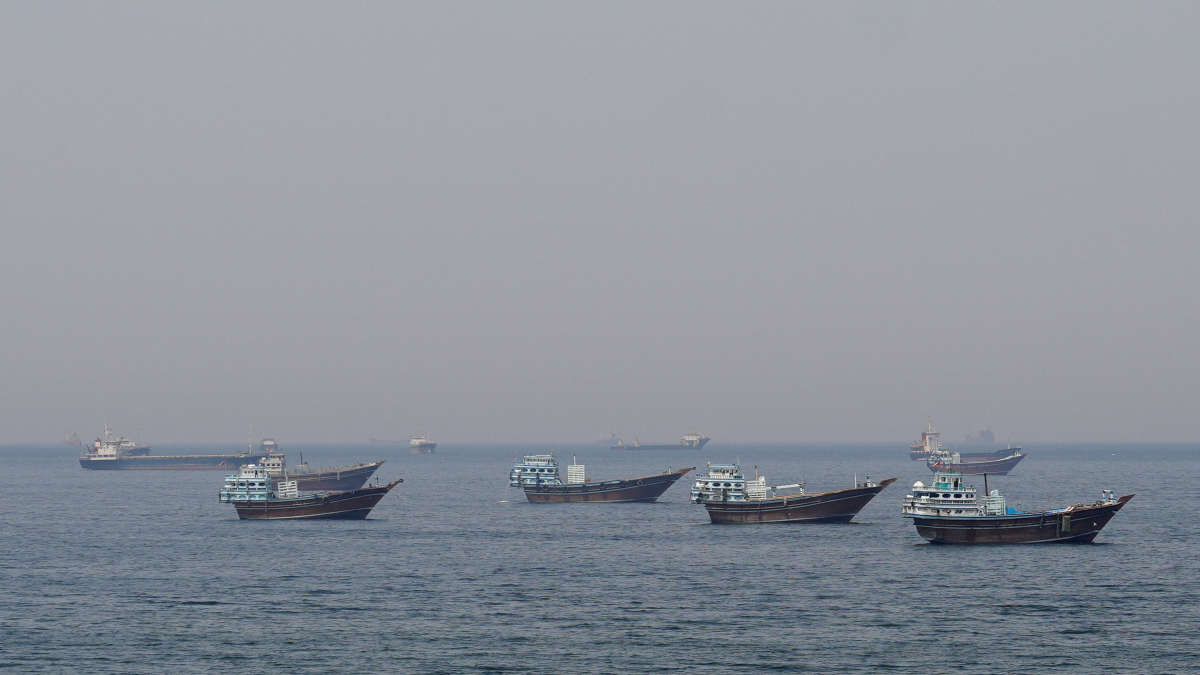
Rising tensions around the Strait of Hormuz are reshaping geopolitical calculations and global shipping, with analysts warning of prolonged disruption even if a ceasefire is reached. Experts say the crisis is driven as much by strategic messaging as by economic risks.
Speaking on AnewZ, political analyst Nuno Wahnon Martins described the current Iran–U.S. standoff as a strategic contest shaped more by messaging and negotiation tactics than by clear military dominance.
“We are facing a war of narratives,” he said, pointing to both Washington and Tehran using pressure to strengthen their positions.
Martins argued that Iran’s perceived leverage, particularly around the Strait of Hormuz, is limited. “The only real ‘upper hand’ Iran has is on the ground,” he noted, adding that geographic factors provide defensive strength but little beyond that.
He also stressed that U.S. threats tied to ceasefire deadlines should be taken seriously, though they remain part of a broader bargaining strategy.
Martins linked the crisis to wider global competition, saying it is “also about the broader U.S.–China competition,” with Washington seeking to curb Beijing’s influence in the region.
According to the analyst, the likely outcome will be “not a full military escalation, but also not a comprehensive agreement”, suggesting a prolonged middle ground.
Shipping risks and long-term market impact
Separately, senior lead analyst at maritime data firm Kpler, Alexis Ellender, warned that the crisis is already altering trade patterns and could have lasting consequences for global shipping.
“They’ve seen the vulnerability of trading via the Strait of Hormuz,” he said, referring to Gulf countries, adding they will likely “look to diversify their trade routes”, including pipelines and alternative ports.
Ellender emphasised that disruption will persist even if hostilities ease. “We don’t expect… a return to normal trading condition any time in the near term,” he said, noting that the shipping industry is “very risk-averse.”
The analyst outlined a gradual recovery scenario, explaining that even with a formal ceasefire, shipping flows could take months to normalise.
Initial traffic may reach only “about 25% of normal flows,” followed by a cautious increase to “30 to 50% of normal traffic” before stabilising.
However, he warned that a full return to pre-crisis conditions is unlikely. “There will be a risk premium for the Middle East Gulf, and I expect that will persist for the long term… probably years,” Ellender said.
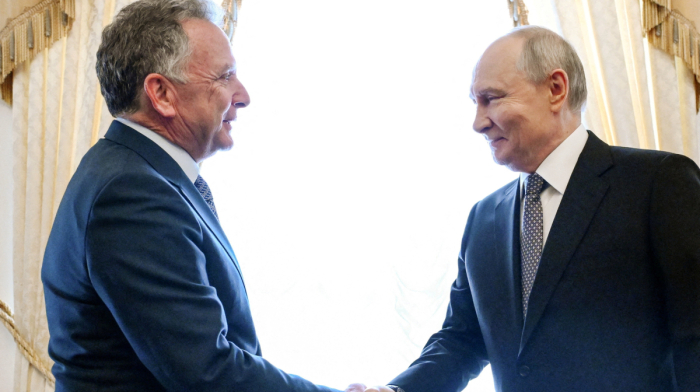
Russia is willing in principle to resume peace talks with Ukraine and the United States in November, Kremlin aide Yuri Ushakov said after President Vladimir Putin met U.S. special envoy Steve Witkoff in St Petersburg.
Saudi Aramco has ordered staff to evacuate its headquarters amid escalating Houthi attacks on the kingdom. Two people were killed in an attack on Dammam airport, while Iran's IRGC Navy claimed strikes on seven vessels and warned the U.S. of a wider response.
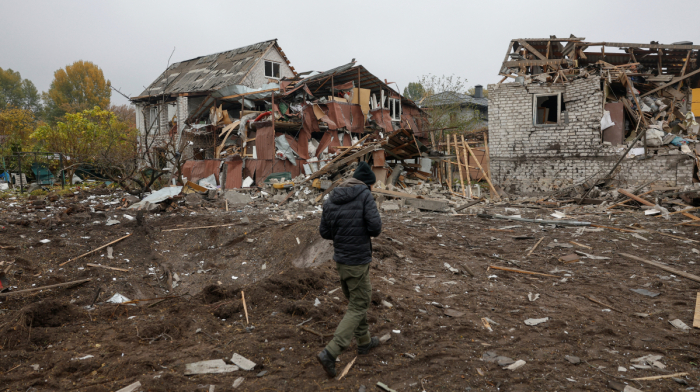
Russian strikes on Ukraine overnight killed at least two people and injured 15 others, including two children, Ukrainian authorities said. Meanwhile, Russia said it had intercepted the vast majority of 630 Ukrainian drones launched towards Moscow.
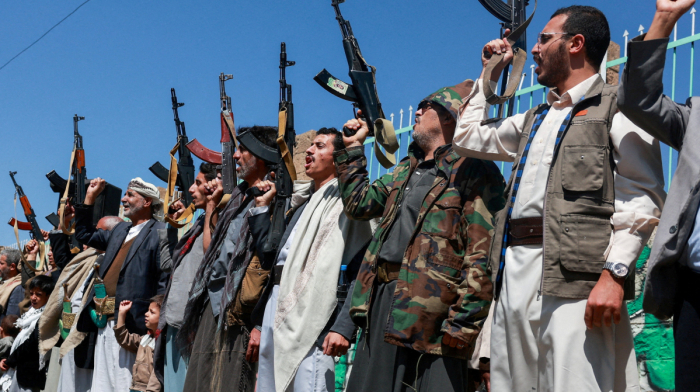
Yemen's Houthis have denied targeting the holy city of Medina on Wednesday adding that they have not conducted any military operations towards Saudi Arabia either, denying earlier comments from the Saudi-led coalition in Yemen.
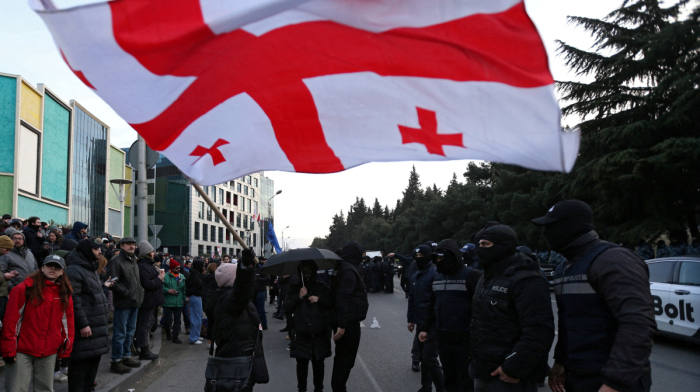
Georgia’s Constitutional Court in Batumi will on Wednesday hear a lawsuit seeking to ban five Georgian opposition parties, four of which collectively gained 784,820 votes (37.79 per cent) in the country’s last national elections in 2024.
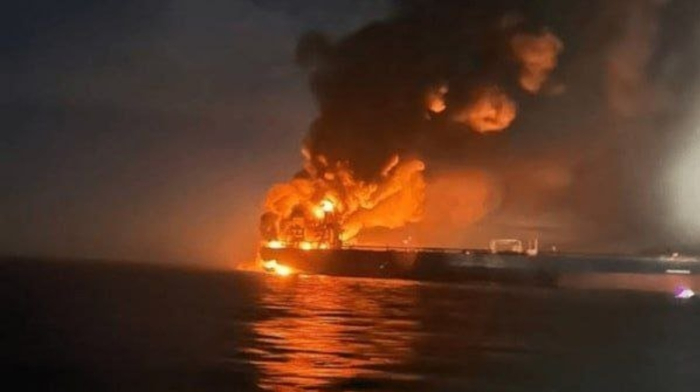
An unknown projectile struck a tanker 68 nautical miles northeast of Saudi Arabia on Friday according to a report released by the United Kingdom Maritime Trade Operations (UKMTO) on Saturday.
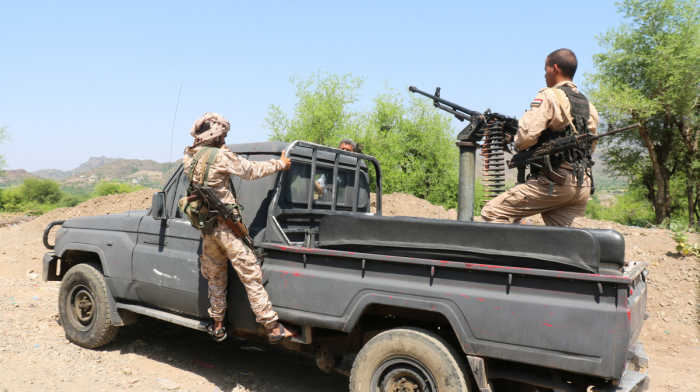
The leader of Yemen's Saudi-backed government announced the beginning of a major military operation against the Iran-backed Houthis on Sunday, aimed at seizing the territory under their control.
Iran says the Strait of Hormuz will remain closed until the United States meets seven conditions agreed under a June memorandum, as President Donald Trump signals he may soon decide whether to resume military operations against Tehran.
Governments from the Persian Gulf to the Horn of Africa are hedging against a conflict they cannot control, with contingency plans beginning to reshape trade routes, alliances and the regional map.
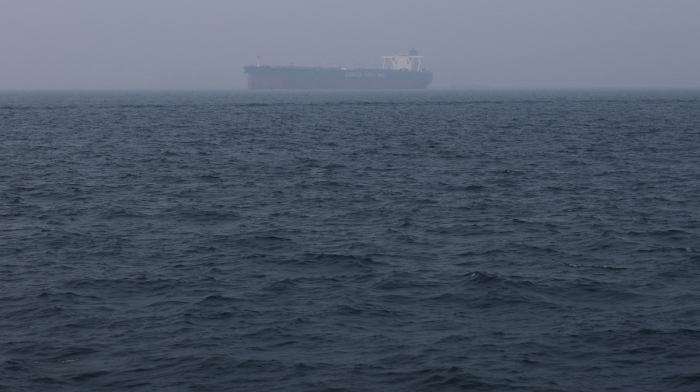
A supertanker which was cruising through the Strait of Hormuz was targetted by an unknown projectile off the coast of Oman, according to an Iranian news agency which said the vessel was “violating” navigation rules at the Strait of Hormuz on 1 October.
Download the AnewZ app
You can download the AnewZ application from Play Store and the App Store.











What is your opinion on this topic?
Leave the first comment