Israel’s parliament has elected Matan Kahana, an ally of opposition leader Gadi Eisenkot, as its new speaker, replacing Netanyahu ally Amir Ohana as political deadlock continues following October’s inconclusive general election.
Kahana secures parliamentary backing
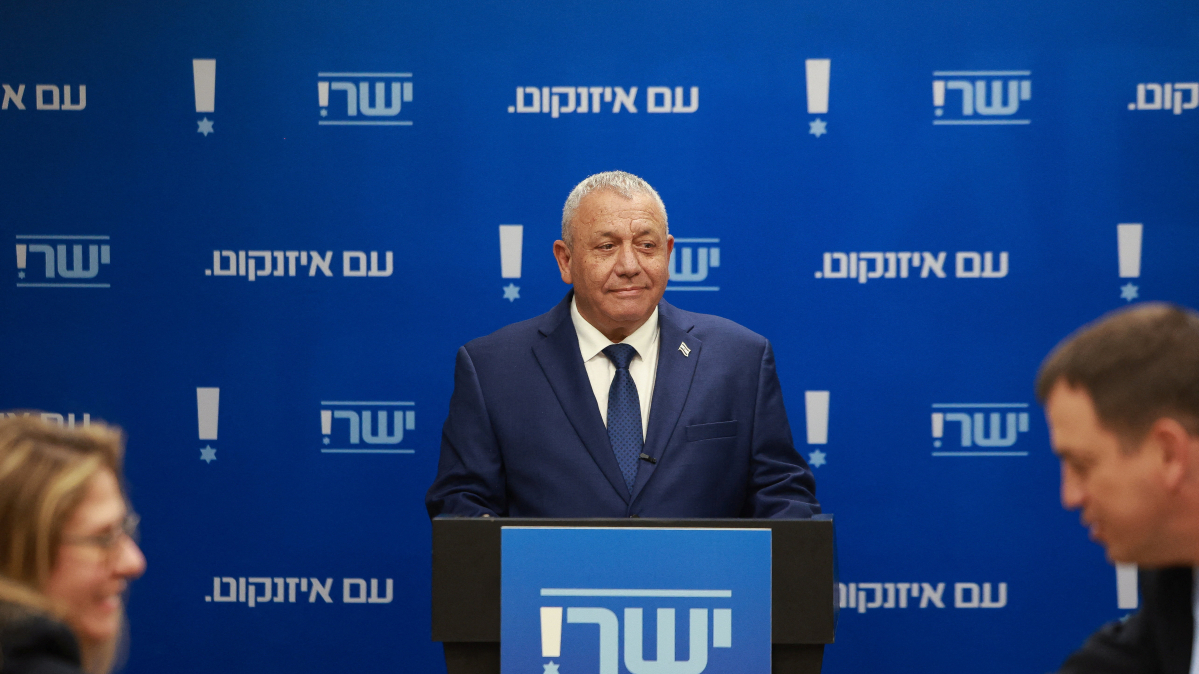
Kahana, a member of Eisenkot’s centre-right Yashar party, secured 66 votes in Tuesday’s parliamentary ballot, against 52 for a rival candidate, according to the Knesset spokesperson’s office.
He succeeds Amir Ohana of Prime Minister Benjamin Netanyahu’s Likud party, shifting control of parliament as rival political blocs negotiate the formation of a new government.
“The Knesset of Israel is the home of all citizens of the State of Israel, and I intend to be the Speaker for everyone,” Kahana said in his inaugural speech.
The speaker wields significant influence in Israel’s 120-seat parliament, particularly over which legislative proposals are debated and put to a vote.
Kahana’s appointment could enable Eisenkot’s allies to push forward legislation previously blocked under Netanyahu’s administration.
Key proposals include establishing an independent investigation into the 7 October 2023 Hamas attack, introducing term limits for prime ministers and repealing laws that critics say have undermined judicial independence.
Netanyahu has opposed an independent inquiry into the attack.
His Likud party strongly criticised Kahana’s election, accusing lawmakers of securing the result with “the votes of terror supporters.”
During the election campaign, Netanyahu repeatedly targeted Arab-led political parties, portraying them as a threat to Israel. The parties dismissed his accusations as racist and discriminatory.
Lawmakers aligned with Eisenkot have also taken control of several influential parliamentary committees, giving them greater sway over legislation.
Election deadlock complicates government formation
Israel’s newly elected parliament was sworn in on 10 November following the 27 October general election, which cost Netanyahu’s governing alliance its majority but failed to produce a clear alternative.
President Isaac Herzog subsequently tasked Eisenkot, a former military chief and Yashar party leader, with forming a governing coalition.
However, Eisenkot faces an uphill battle to secure the 61 seats needed for a majority.
Netanyahu’s Likud and its far-right and ultra-Orthodox allies hold 53 seats, while Eisenkot’s Yashar party and its coalition partners have 48.
The remaining 19 seats belong to parties representing Israel’s Arab minority, which could play a decisive role in determining the next government.
Winning their backing could force Eisenkot to compromise on key campaign pledges.
Netanyahu will remain caretaker prime minister until a new government is formed. If coalition talks fail, Israel could face another general election next year.
Election fraud allegations fuel tensions
Political tensions have also escalated following Netanyahu’s allegations of electoral fraud involving Arab voters.
The prime minister has repeatedly challenged the election results, alleging misconduct in Arab communities without presenting evidence of widespread fraud.
Election officials have confirmed they are examining potential irregularities but say there is no evidence of fraud on a scale that could change the result.
Meanwhile, Israel’s Channel 12 News reported on Sunday that police were investigating whether officials in Netanyahu’s office deliberately planted information that triggered an inquiry into alleged vote-buying in Arab communities.
With Netanyahu’s opponents now controlling key parliamentary positions and coalition talks still unresolved, Israel faces further political uncertainty as rival blocs compete to shape its next government.
Read more of the latest news:












What is your opinion on this topic?
Leave the first comment